Choosing the right exhaust material is crucial for vehicle performance. Many drivers wonder how to choose between stainless steel and other exhaust materials. Expert reports show that stainless steel is favored for its durability. It offers a lifespan that can exceed ten years under normal conditions. This makes it a top choice for enthusiasts and daily drivers alike.
However, not everyone can afford stainless steel. Alternatives, like aluminized steel or titanium, have their merits. Aluminized steel is cheaper but can corrode faster. Titanium is lightweight and resistant to heat but comes at a premium price. According to a study by Automotive Engineering, nearly 70% of consumers prioritized material durability over cost when selecting exhaust systems.
After all, the decision hinges on your specific needs. Reflect on your vehicle’s usage and your budget. Ask yourself: How long do I plan to keep my vehicle? Will it be exposed to harsh conditions? Understanding these factors is key to making an informed choice.
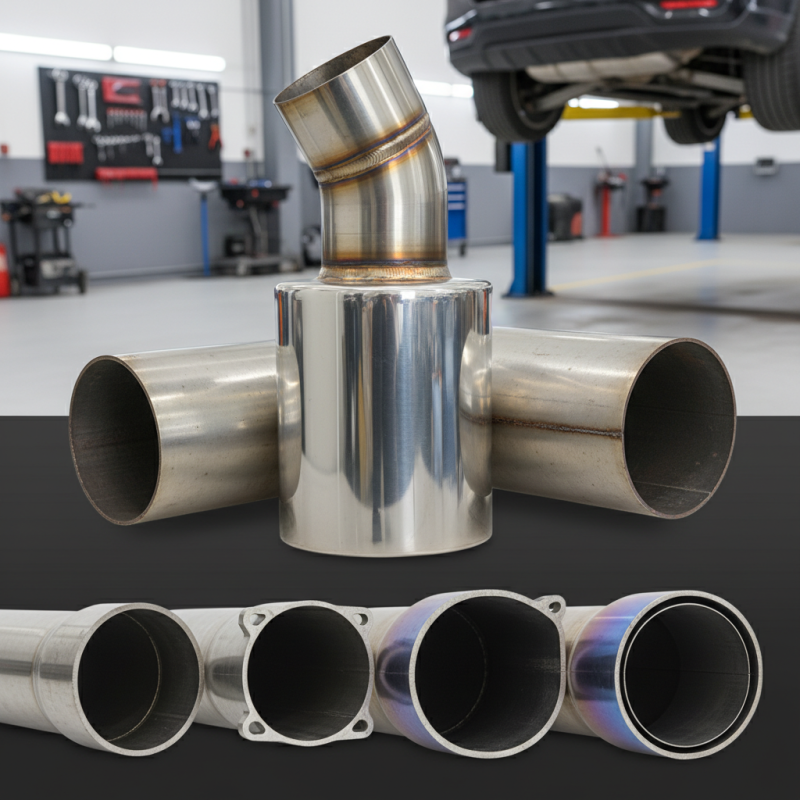
When considering the materials for an exhaust system,
stainless steel
is often favored for its durability. This material resists corrosion,
making it ideal for vehicles exposed to various weather conditions. Stainless steel also offers
excellent heat resistance and can handle high-temperature exhaust gases. However, it can be more
expensive than alternatives. This cost could be a concern for those on a budget.
Aluminized steel is another common option. It provides decent protection against
corrosion but may not last as long as stainless steel. It’s
lighter and cheaper, which can be appealing. However, it’s essential to recognize that the
longevity may not match that of stainless steel. Some users might underestimate how less durable
materials can lead to quicker replacements.
Each material has benefits and drawbacks. Choosing the right one depends on driving conditions,
budget, and personal preferences. The trade-off between
cost and longevity is a clear factor. Reflecting on your needs is crucial. A thorough understanding
of these materials will guide you toward making an informed decision for your vehicle.
Stainless steel is a popular choice in exhaust systems, known for its durability. Its resistance to corrosion is a significant advantage. Reports indicate that stainless steel exhausts can last up to 30% longer than other materials, making them a cost-effective option over time. The alloy composition, typically 304 or 409 stainless steel, improves its strength, especially under high temperatures.
However, there are downsides. Stainless steel is heavier than some alternatives, which can affect performance. Some performance enthusiasts argue that the slight increase in weight may impact acceleration. Moreover, while it is resistant to rust, it can still develop surface discoloration. This aesthetic issue may lead consumers to overlook the material for its visual appeal rather than its functional benefits.
Another point of reflection is the cost. Stainless steel exhausts tend to be more expensive upfront compared to aluminum or mild steel options. Yet, the longevity and performance benefits may justify this investment. For those considering long-term benefits versus initial costs, it’s essential to weigh these factors carefully. Ultimately, understanding the industry reports about the lifespan and performance of stainless steel can guide informed decisions in selecting the right exhaust material.
When choosing exhaust materials, it’s essential to weigh the pros and cons of each option. Stainless steel is popular due to its resistance to rust and corrosion. However, its durability comes at a higher cost. Many enthusiasts appreciate mild steel for its affordability and ease of fabrication. Mild steel lacks some longevity, leading to potential rust issues over time.
Titanium is another strong contender. It is lightweight and has excellent heat resistance. However, titanium can be challenging to weld. According to industry reports, titanium is up to 45% lighter than stainless steel but also comes with a steep price tag. This material choice can often reflect the performance needs of different vehicles, indicating a trade-off between budget and performance gains.
Aluminized steel is a more budget-friendly alternative, providing decent performance in mild conditions. However, it does not offer the same durability as stainless steel. Reports indicate it can last up to five years under optimal conditions but may degrade faster in harsher environments. Evaluating these materials requires consideration of specific driving conditions and personal priorities, influencing the final decision in exhaust system choices.
| Material | Weight (lbs/ft) | Corrosion Resistance | Cost ($/ft) | Performance | Durability |
|---|---|---|---|---|---|
| Stainless Steel | 3.0 | High | 20-30 | Excellent | Long-lasting |
| Mild Steel | 5.0 | Low | 10-15 | Fair | Moderate |
| Titanium | 2.0 | Very High | 50-70 | Superior | Exceptional |
| Aluminum | 2.5 | Moderate | 15-25 | Good | Decent |
Choosing the right exhaust material is crucial for performance and durability.
Stainless steel is popular due to its resistance to rust and corrosion.
It can withstand high temperatures, making it suitable for high-performance vehicles. However, not all stainless steel is created equal.
Different grades can impact longevity and performance.
Aluminum is another option. It is lightweight, which can enhance overall performance.
Yet, aluminum can be prone to corrosion in harsh environments. This option may require a coating for protection.
Consider how the environment you drive in affects your choice. If you live in an area with frequent rain or salt on the roads,
stainless steel might be better.
Budget is often a key factor, too. Higher quality materials often come with a higher price tag.
However, investing upfront may save you money long term. Reflect on how often you will use your vehicle. A daily driver may benefit from durable materials,
while a weekend racer might prioritize weight savings.
Make an informed choice based on your specific needs and driving conditions.
Choosing the right exhaust material significantly influences vehicle performance and longevity. Stainless steel and other materials vary in maintenance needs and durability. Stainless steel is popular due to its rust-resistant properties. However, it can still experience wear over time, particularly at welds and joints. Regular inspection is essential to prevent leaks.
Other materials, like mild steel, provide strength but are prone to corrosion. They often require frequent maintenance and replacement. This can be costly in the long run. Components made from aluminum are lightweight and resist rust, though they may not withstand extreme heat as well as stainless steel. Consider the local climate when selecting materials.
Long-term effects on exhaust performance depend on maintenance habits. Neglected systems can lead to reduced power and efficiency. Keep an eye on exhaust sounds and vibrations for early detection of issues. Regular cleaning is vital. It removes soot and other build-ups that can hinder performance. Understanding these factors helps ensure your exhaust system operates efficiently over time.
This chart compares the performance metrics of different exhaust materials in terms of maintenance requirements and durability over time. The data highlights the long-term effects of various materials on exhaust performance.
: Stainless steel is preferred for its durability and resistance to corrosion.
Aluminized steel is lighter and cheaper but may not last as long as stainless steel.
Titanium is lightweight and has excellent heat resistance, but it's often expensive and hard to weld.
Mild steel is affordable and easy to fabricate, but it may suffer from rust and lower longevity.
Driving conditions, budget, and personal preferences all play crucial roles in material selection.
Yes, not all stainless steel grades are equal; some may have reduced longevity in specific environments.
Environments with rain or salt may require more durable materials to prevent corrosion.
Higher quality materials cost more upfront but may reduce long-term replacement costs.
Yes, a high-performance vehicle might require more durable and heat-resistant materials.
Daily drivers may benefit more from durable options, while occasional drivers might prioritize weight savings.
In the quest to enhance vehicle performance, understanding different exhaust system materials is crucial. Stainless steel, alongside alternatives like mild steel and titanium, offers distinct advantages and disadvantages. "How to choose between stainless steel and other exhaust materials" hinges on evaluating cost, weight, corrosion resistance, and durability. While stainless steel is praised for its longevity and resistance to rust, other materials may present benefits in weight savings or cost-effectiveness.
Key factors to consider include the intended use of the vehicle, maintenance requirements, and long-term impacts on exhaust performance. An informed choice involves assessing each material's unique properties, ensuring that the selected exhaust system aligns with both performance goals and the user's maintenance preferences. Ultimately, a thorough understanding of these materials will aid in making the best selection for enhancing both performance and durability in the exhaust system.
GLX Auto Parts