Choosing the right materials for exhaust pipes and mufflers is crucial. This decision impacts performance, durability, and noise levels. Many car enthusiasts wonder, "What materials are best for exhaust pipes and mufflers?"
Stainless steel is a common choice due to its resistance to corrosion and heat. Aluminum, on the other hand, is lightweight but may not last as long. Each material offers unique benefits and drawbacks. Factors such as cost, environmental conditions, and vehicle type also play a role in your decision.
However, it’s important to reflect on your specific needs. For example, off-road vehicles face harsher conditions. A heavy-duty option may be more suitable in such cases. Take time to research and weigh your options. The right choice can enhance performance significantly, while the wrong one may lead to costly repairs.
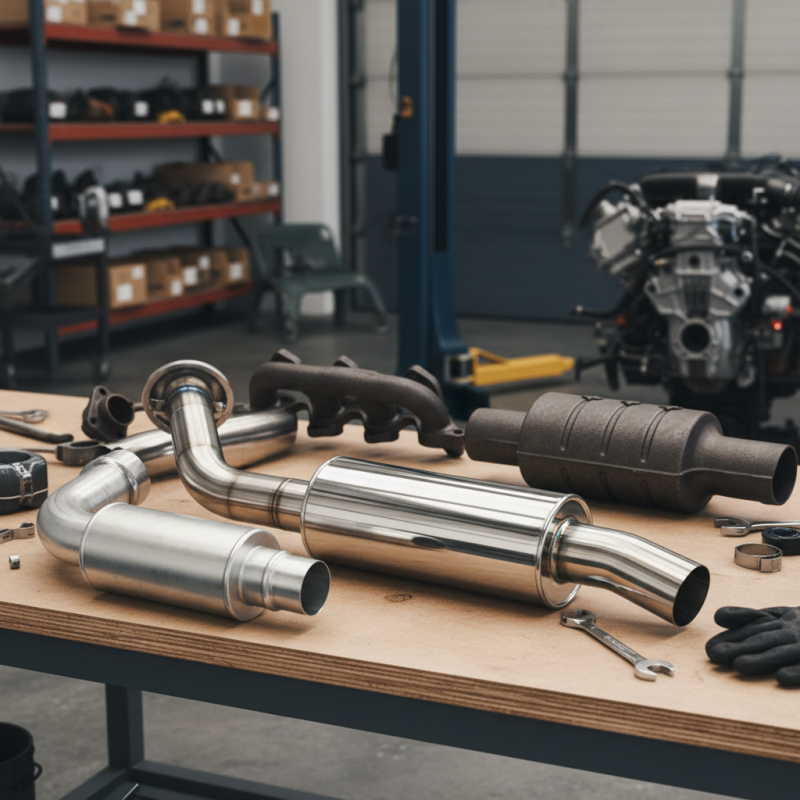
Exhaust pipes and mufflers play vital roles in vehicle performance and emissions control. They direct exhaust gases away from the engine and reduce noise. According to the U.S. Environmental Protection Agency, proper functioning exhaust systems can improve engine efficiency by up to 15%. With rising environmental concerns, these systems' design and materials are crucial for compliance with regulations.
The materials used in exhaust pipes and mufflers affect longevity and performance. Stainless steel is often preferred because of its corrosion resistance. According to a study by the Specialty Equipment Market Association, 70% of high-performance vehicles utilize stainless steel for this reason. However, some users may find it too costly. Aluminized steel is a budget-friendly option, but has a limited lifespan. Users should weigh cost against durability when making a choice.
Noise reduction is another key function of these components. Mufflers utilize chambers and baffles to absorb sound. A study showed that well-designed mufflers could reduce noise by up to 10 decibels. However, not all designs are equally effective. Some may not meet sound regulations in certain areas. Understanding these nuances is essential for optimizing vehicle performance while remaining compliant.
When selecting materials for exhaust pipes and mufflers, understanding common options is crucial. Steel is a popular choice due to its affordability and ease of use. However, it may rust over time, particularly in wet climates. Stainless steel, while more expensive, offers greater durability and resistance to corrosion. This makes it a reliable option for long-term use.
Aluminized steel is another alternative, providing good corrosion resistance at a lower cost than stainless steel. It is coated with aluminum, which helps to protect it from rust. This option can be great for those on a budget. However, its lifespan is often shorter compared to more robust materials.
Tip: Regular maintenance can help extend the life of your exhaust system. Inspect your pipes for any signs of wear or rust every few months. Additionally, pay attention to any unusual noises, as they might signal a problem.
Choosing the right material depends on your specific needs and driving conditions. Keep in mind that while some materials may seem perfect initially, they may not hold up over time. It’s essential to weigh cost against longevity when making your decision.
When selecting materials for exhaust pipes and mufflers, durability and corrosion resistance are crucial properties to consider. Stainless steel is often favored due to its high resistance to oxidation. This resistance helps maintain performance over time, even in harsh conditions. Aluminum is lightweight but may lack the same longevity. It can corrode more easily when exposed to moisture and chemicals.
Tips: Regularly check your exhaust system for signs of wear. Look for rust or unusual noises that may indicate issues.
Another option is galvanized steel. While it provides decent corrosion resistance, it may not last as long as stainless steel. It’s essential to evaluate the environment where your vehicle operates. If you frequently drive in wet or salty conditions, opt for a more robust material like stainless steel.
Tips: Consider your driving habits. Choosing the right material can save costs in the long run. Invest in quality to avoid frequent replacements.
| Material Type | Durability | Corrosion Resistance | Weight | Cost |
|---|---|---|---|---|
| Stainless Steel | High | Excellent | Medium | High |
| Aluminized Steel | Medium | Good | Heavy | Medium |
| Mild Steel | Low | Poor | Light | Low |
| Titanium | Very High | Excellent | Very Light | Very High |
| Carbon Fiber | High | Good | Very Light | Very High |
When considering materials for exhaust pipes and mufflers, mild steel and stainless steel are the top contenders. Mild steel is affordable and easy to work with, making it a popular choice for many car enthusiasts. However, it is prone to rust and corrosion over time. This could lead to leaks, which can reduce performance. The lifespan of mild steel is usually shorter, requiring more frequent replacements.
Stainless steel, on the other hand, offers better durability. It resists rust and can withstand high temperatures. This makes it suitable for performance vehicles that undergo heavy use. Nevertheless, stainless steel can be more expensive and may require expert installation due to its toughness. Choosing between these materials often involves weighing initial costs against long-term benefits.
Tips: When selecting a muffler material, consider your driving habits and climate. If you live in a humid area, stainless steel may save you money in repairs. Regular maintenance checks can also help you spot issues early. Use high-quality hangers and fasteners to ensure the longevity of your exhaust system.
Choosing the right material for exhaust pipes and mufflers can significantly influence a vehicle's performance. Different vehicle types and driving conditions require tailored choices. For instance, cars driven in harsh climates benefit from stainless steel. It resists rust and corrosion, enhancing longevity. However, it can be heavier and more expensive.
On the other hand, aluminized steel is an economical option. It is lighter and offers reasonable durability. This makes it suitable for everyday vehicles and conditions. But it may not endure extreme environments well. Therefore, one must weigh the cost against potential longevity.
Similarly, those who drive off-road should consider materials that can handle stress and wear. Certain alloys, though rare, provide excellent strength. Yet, these can be overkill for standard use. It’s vital to choose wisely, ensuring that the material aligns with your vehicle's needs. Each material has pros and cons. Balancing budget and performance is essential.
: Common materials include steel, stainless steel, and aluminized steel.
Steel is affordable and easy to use, but it may rust over time.
Stainless steel is durable and resistant to corrosion, making it reliable for long-term use.
Aluminized steel offers good corrosion resistance at a lower cost but has a shorter lifespan.
Regular maintenance, including inspections and monitoring for unusual noises, can help.
Focus on durability and corrosion resistance to ensure longevity under harsh conditions.
It may seem fine initially, but poor materials can cause frequent replacements and cost more over time.
If you drive in wet or salty environments, select a robust material like stainless steel for better performance.
Regularly check for rust and wear, as they can indicate underlying issues that need attention.
Aluminum is lightweight but may corrode easily, making it less durable than other materials.
When considering what materials are best for exhaust pipes and mufflers, it's essential to understand their key functions and importance in vehicle performance. Exhaust pipes and mufflers are crucial for directing harmful gases away from the engine, reducing noise, and improving efficiency. Common materials used in their construction include mild steel, stainless steel, and other specialized alloys. Mild steel is cost-effective but may lack corrosion resistance, while stainless steel offers superior durability and resistance to rust.
An ideal exhaust pipe material should possess properties such as high durability and excellent corrosion resistance. A comparative analysis of mild steel versus stainless steel for mufflers reveals that while mild steel is more affordable, stainless steel often provides a longer lifespan and better performance under extreme conditions. Ultimately, choosing the right material also depends on factors such as vehicle type and specific driving conditions, ensuring optimal functionality and longevity of the exhaust system.

GLX Auto Parts