2026 Best Tips for Choosing Exhaust Parts for Your Vehicle?

Time:2026-07-19 Author:Sophia
0%

When considering how to choose the right exhaust parts for my vehicle, it’s essential to focus on quality and fit. A well-functioning exhaust system improves performance and reduces emissions. There are numerous options available, but not all will suit your needs.

Begin by researching the specific parts compatible with your vehicle model. Quality materials, like stainless steel, offer durability. In contrast, cheaper options may rust quickly, leading to repairs. Expert feedback and online reviews can guide your choices. These voices of experience provide insight into which brands stand out.

While it may be tempting to rush the process, take your time. Improper parts can lead to performance issues or even damage. Reflect on your specific requirements, such as noise levels and performance gains. This thorough approach enhances reliability and ensures satisfaction with your investment. The right exhaust parts can bring your vehicle to life, making your efforts worthwhile.
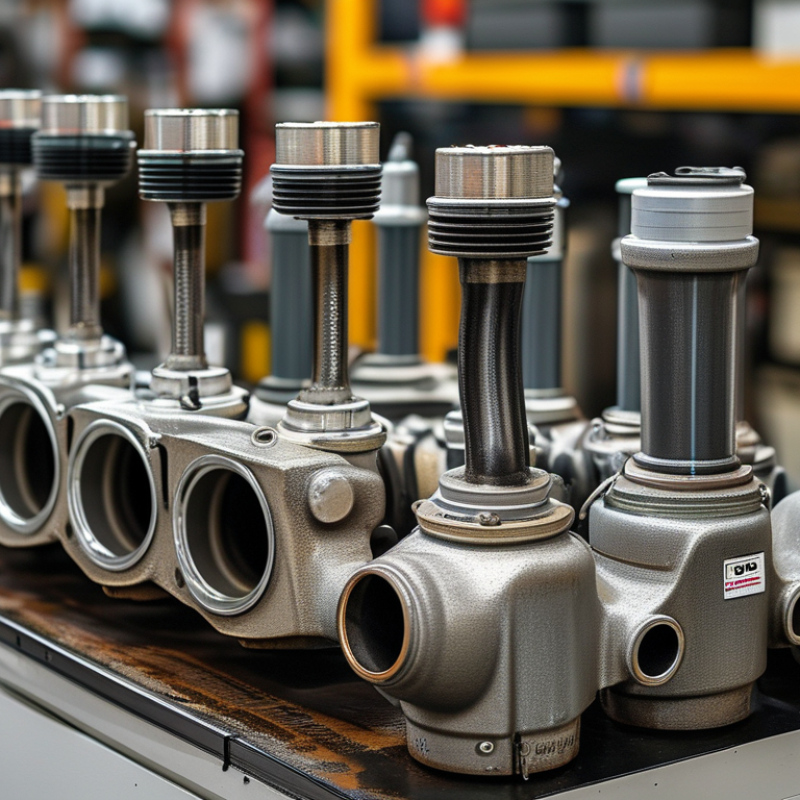
2026 Best Tips for Choosing Exhaust Parts for Your Vehicle?

Understanding Exhaust Systems: Components and Their Functions

Understanding exhaust systems is vital for maintaining vehicle performance. An exhaust system comprises several components, each playing a crucial role. These include the exhaust manifold, catalytic converter, muffler, and exhaust pipe. Each part must work in harmony to enable efficient engine operation.

The exhaust manifold collects gases from the engine cylinders. A well-designed manifold improves performance by enhancing exhaust flow. The catalytic converter reduces harmful emissions. According to the Environmental Protection Agency, proper functioning can cut emissions by up to 90%. This highlights the importance of selecting quality parts.

Mufflers and exhaust pipes diminish noise and determine the system's efficiency. A less efficient exhaust can lead to increased fuel consumption. Studies show that subpar components can elevate fuel use by 5-10%. Choosing exhaust parts is not just about replacement; it’s about enhancing overall vehicle functionality. Ignoring this can lead to long-term issues.

Factors to Consider When Choosing Exhaust Parts for Your Vehicle

Choosing the right exhaust parts for your vehicle involves considering multiple key factors. One of the most important aspects is the compatibility of the parts with your vehicle model. Not all exhaust systems fit every car, and using incompatible parts can lead to efficiency losses. A study from the Society of Automotive Engineers indicated that mismatched components can reduce engine performance by up to 15%.

Material selection is another critical consideration. Stainless steel systems typically offer durability and corrosion resistance, while mild steel may be more affordable but can rust over time. Craftsmanship is also crucial; poorly manufactured parts can cause leaks. Always check for product certifications or recommendations from automotive experts.

Tips to ensure quality: Research your options before purchasing. Seek forums or communities where experienced mechanics share insights. Pay attention to user reviews and the reputation of suppliers. Examine warranties offered with the parts, as reputable manufacturers often stand behind their products. Remember, an informed choice today can save you from costly repairs tomorrow.

Materials Used in Exhaust Parts: Performance and Durability

When selecting exhaust parts, the materials used play a crucial role in performance and durability. Stainless steel is a common choice due to its resistance to corrosion and heat. Research shows that stainless steel can extend the lifespan of exhaust systems by up to 50%. This is essential for vehicles exposed to harsh conditions, ensuring longevity.

Aluminized steel is another option. While it is more affordable, it may require replacement sooner than stainless steel. Reports indicate that aluminized components may last only three to five years, depending on driving conditions. It's vital to weigh the cost savings against potential replacement frequency.

Consideration of weight is also important. Lighter materials can improve fuel efficiency. For high-performance vehicles, titanium is often favored despite its high cost. However, its benefits include improved performance metrics. Always assess the demands of your driving style when choosing exhaust parts.

Tip: Prioritize corrosion resistance if you live in an area with heavy rainfall or road salt. Additionally, think about the long-term costs related to material choices. Investing in quality materials upfront can reduce future expenses.

Tips for Ensuring Proper Fit and Compatibility with Your Vehicle

When selecting exhaust parts, achieving proper fit and compatibility with your vehicle is crucial. Data shows that improper installation can lead to a 20% increase in exhaust emissions. This impact on the environment can also resonate with consumers who are increasingly eco-conscious. Therefore, ensuring that parts fit correctly is not just about performance; it’s about meeting regulatory standards.

A comprehensive fit ensures optimal exhaust flow. Mismatched parts can cause back pressure issues, which may decrease engine performance. According to industry reports, nearly 30% of vehicle owners experience performance drops due to incompatibility. Always cross-reference parts with your vehicle's make and model specifications. Additionally, consider materials used in parts. Stainless steel offers superior durability, making it a long-term investment.

Installation techniques matter too. Many DIY enthusiasts struggle with exhaust installations, leading to improperly secured parts. Engaging a professional can be worth the cost. Reports indicate that about 25% of home installations fail inspection due to poor fit. It’s clear that extra attention to detail is essential for achieving the best results.

2026 Best Tips for Choosing Exhaust Parts for Your Vehicle

Tip Description Compatibility
Research OEM Specifications Understand the original equipment manufacturer specifications to ensure proper fit. Check against vehicle model and year.
Material Selection Choose high-quality materials like stainless steel for durability and corrosion resistance. Verify if material is suitable for your climate and driving conditions.
Consult Professionals Seek advice from certified mechanics or exhaust specialists. Ensure accuracy in part selection based on experience.
Consider Performance Needs Evaluate if you need performance upgrades or standard replacements. Align with vehicle usage (e.g., racing, daily driving).
Check for Emissions Compliance Ensure that parts meet local regulations for emissions. Verify if your vehicle is subject to emissions tests.

Maintenance and Upgrades: Maximizing the Life of Your Exhaust System

Maintaining your vehicle's exhaust system is critical for performance and longevity. According to the Automotive Aftermarket Industry Association, proper exhaust care can increase system life by up to 30%. Regular inspections can reveal cracks, rust, or leaks, which are common issues. Addressing these problems promptly can prevent larger, costlier repairs.

Investing in quality exhaust parts is essential. With advancements in materials, stainless steel components offer superior resistance to corrosion. Data from the National Institute for Automotive Service Excellence indicates that quality exhaust parts can last up to five years longer than standard ones. This means better performance and lower emission levels, contributing to a healthier environment.

However, the installation process also matters. Even high-quality parts can fail if not installed correctly. It's vital to choose a skilled technician who understands the nuances of exhaust assembly. Regular maintenance checks are often overlooked yet contribute significantly to a car's overall efficiency. Missing these can lead to diminished returns on your investment. Routinely checking your exhaust will keep it running smoothly.

2026 Best Tips for Choosing Exhaust Parts for Your Vehicle

This chart illustrates the most important factors to consider when choosing exhaust parts for your vehicle. The dimensions include Material Quality, Durability, Performance Improvement, Noise Level, and Cost Effectiveness, allowing drivers to make informed decisions for maintenance and upgrades.

FAQS

: What is the function of the exhaust manifold?

: The exhaust manifold collects gases from the engine cylinders, enhancing exhaust flow and performance.

How does the catalytic converter benefit the environment?

It reduces harmful emissions, potentially cutting them by up to 90% when functioning properly.

What impact do mufflers and exhaust pipes have on vehicles?

They reduce noise and affect the system's efficiency, influencing overall fuel consumption.

Why is regular maintenance of the exhaust system important?

Regular checks can reveal cracks and leaks, preventing larger and costlier repairs.

How can quality exhaust parts extend the system's life?

Quality parts, like stainless steel, resist corrosion and can last up to five years longer than standard ones.

What happens if exhaust parts are not installed correctly?

Even high-quality parts can fail without proper installation, leading to performance issues.

How can inspections boost the exhaust system’s lifespan?

Routine inspections can increase the system's life by up to 30% by addressing issues early.

What is a common oversight in vehicle maintenance?

Many overlook regular exhaust checks, which are essential for maintaining efficiency.

How does fuel consumption relate to exhaust system efficiency?

Inefficient components can elevate fuel use by 5-10%, impacting overall vehicle performance.

What could ignoring exhaust maintenance lead to?

Neglecting maintenance can result in diminished performance and costly long-term issues.

Conclusion

When considering how to choose the right exhaust parts for my vehicle, it's essential to understand the various components of exhaust systems and their specific functions. Factors such as performance, durability, and material types should be evaluated to ensure optimal function and longevity.

Additionally, ensuring a proper fit and compatibility with your vehicle is crucial, as well as regular maintenance and potential upgrades to maximize the life of your exhaust system. By considering these key elements, vehicle owners can make informed decisions that enhance performance while maintaining reliability in their exhaust systems.

Sophia

Sophia

Sophia is a dedicated marketing professional with an exceptional depth of knowledge about her company's products and services. With a keen understanding of market trends and customer needs, she crafts insightful blog posts that not only inform but also engage readers, enriching the company’s online......