The automotive industry constantly seeks improvements in engine performance and emissions. One critical component in this quest is the catalytic converter. Understanding how do catalytic converters affect engine performance is essential for vehicle manufacturers and consumers alike. According to a report by the International Council on Clean Transportation, catalytic converters can reduce harmful emissions by over 90%, significantly benefiting air quality.
However, these devices can pose challenges to engine efficiency. When poorly matched to an engine's design, a catalytic converter can restrict exhaust flow. This restriction may lead to decreased power output and reduced fuel efficiency. A study published in the Journal of Automotive Engineering highlighted that an improperly functioning catalytic converter could diminish performance by as much as 15%.
The need for a balance between emissions reduction and optimal engine performance is crucial. As technology evolves, manufacturers must address these complexities. Consumer awareness of how catalytic converters impact their vehicles can promote informed decisions. Ultimately, refining these systems remains a collective industry challenge.
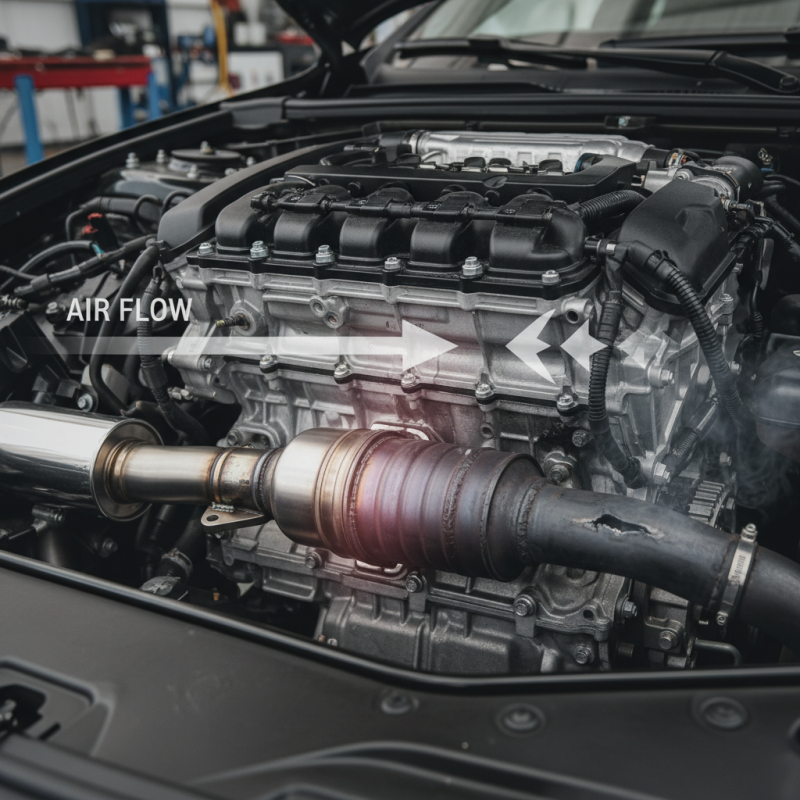
Understanding the role of catalytic converters in engine systems is crucial for optimizing performance. These devices help reduce harmful emissions from the engine. They do this by converting toxic gases into less harmful substances. This process can enhance engine efficiency when functioning correctly.
However, not all catalytic converters work the same way. Variations in design and material can impact their effectiveness. Some vehicles may experience reduced performance or fuel efficiency if the converter is clogged or damaged. Regular maintenance is important to ensure your catalytic converter remains in good condition.
Tips: Check your exhaust system for any leaks. A functional system allows the catalytic converter to perform better. Also, consider using high-quality fuel. It can support the longevity and efficiency of the converter. Remember, while a catalytic converter is essential, it should not replace regular engine health checks. A well-maintained engine often compensates for minor converter issues.
Catalytic converters play a vital role in modern vehicles. They are designed to reduce harmful emissions produced by engines.
These components convert toxic gases into less harmful substances. By doing so, they significantly lower emissions of carbon monoxide, nitrogen oxides, and hydrocarbons.
This helps improve air quality in urban areas.
Many drivers may not realize how essential these devices are. They help meet environmental regulations while enhancing engine performance.
With a well-functioning catalytic converter, engines can operate more efficiently. However, a malfunctioning converter can lead to poor performance.
It may also increase emissions, creating an environmental concern.
The technology behind catalytic converters is continually evolving. Yet, not all vehicles are equipped with the latest advancements.
Older models may struggle with emission levels, requiring close attention. While progress has been made, there’s still room for improvement in making all engines cleaner.
This prompts ongoing research and development in the automotive industry.
Catalytic converters play a crucial role in modern engines. They transform harmful emissions into less harmful substances. However, this process does have implications for engine power and efficiency. Research indicates that catalytic converters can reduce engine performance. A study found that some vehicles experience a drop in horsepower by up to 10%. This can lead to a less responsive driving experience.
In addition, the efficiency of fuel combustion can be impacted. Engine tuning must accommodate the presence of a catalytic converter. In some cases, it can lead to a rich air-fuel mixture. This influences fuel economy negatively, sometimes reducing efficiency by 2 to 5 miles per gallon. However, the technology has progressed. Some advanced catalytic converters are designed to minimize performance loss while controlling emissions more effectively.
There is a balancing act between emissions control and performance needs. Optimizing the catalytic converter's design is essential. This process requires continuous research and development. Moreover, car owners often face wear and tear. Over time, catalytic converters may become less effective. This degradation can further affect both power and efficiency. A deeper understanding of these factors is vital for enhancing driver experience without compromising environmental standards.
Catalytic converters play a crucial role in reducing vehicle emissions. However, they also present certain challenges that can affect engine performance. One major issue is backpressure. This occurs when exhaust gases encounter resistance in the system. Excessive backpressure can lead to reduced engine efficiency and power output. In some cases, this impact is subtle, while in others, it becomes significant.
The materials used in catalytic converters can also influence their effectiveness. High temperatures can degrade these components over time. A failing catalytic converter may restrict exhaust flow, leading to poor engine response. Furthermore, the need for higher temperatures to activate the catalytic reaction can cause problems in colder climates. Drivers may notice reduced performance during winter months.
Another limitation is the weight of the catalytic converter itself. While modern designs aim to minimize this, added weight can negatively affect acceleration and fuel efficiency. Additionally, the difficulty of maintenance and replacement could lead to decisions that compromise vehicle performance. Overall, while essential for reducing emissions, catalytic converters bring complexities that challenge optimal engine performance.
The future of catalytic converter technology holds great promise for enhancing engine performance. Innovations are on the horizon, focusing on improved efficiency and reduced emissions. Advanced materials and designs are being explored, allowing for faster exhaust gas flow. This could significantly boost power output while maintaining compliance with strict environmental standards.
Tips for optimizing your engine performance while considering catalytic converter advancements include regular maintenance checks. Ensure that your exhaust system remains clean and free of obstructions. However, manufacturers are also working on self-cleaning catalytic converters. These might reduce maintenance but may come with their own set of challenges. Increased temperatures could lead to quicker wear on certain engine components.
The integration of smart technologies within catalytic converters is another exciting area. Real-time monitoring systems could allow for more precise fuel management. Yet, this technology also raises questions. Will these systems add more complexity or maintenance needs? The balance between innovation and reliability will be crucial as we move forward. Keeping informed about these developments can help you make better decisions for your vehicle's future.
: Catalytic converters reduce harmful emissions from engines, converting toxic gases into less harmful substances.
They help improve air quality by lowering emissions of carbon monoxide, nitrogen oxides, and hydrocarbons in urban areas.
Yes, they can reduce engine performance, with some vehicles losing up to 10% of horsepower.
No, older models may struggle with emissions, requiring more attention and possible upgrades.
They may negatively impact fuel economy, reducing efficiency by 2 to 5 miles per gallon in some cases.
No, not all vehicles have the latest advancements, highlighting a need for ongoing improvement.
They may degrade, becoming less effective, which can further affect engine power and efficiency.
Research helps balance emissions control with performance, aiming to enhance driver experience and environmental standards.
Yes, improper engine tuning can lead to a rich air-fuel mixture, impacting emissions and efficiency.
Yes, some are designed to minimize performance loss while effectively controlling emissions.
Catalytic converters play a crucial role in modern engine systems by facilitating the reduction of harmful emissions, which contributes to environmental protection. They achieve this by converting toxic gases produced during combustion into less harmful substances, ensuring that engines comply with stringent emission regulations. However, the question arises: how do catalytic converters affect engine performance? While they are essential for minimizing environmental impact, catalytic converters can sometimes pose challenges by impacting engine power and efficiency. High-performance engines, in particular, may experience restrictions in exhaust flow, potentially leading to reduced power output.
Despite these limitations, ongoing innovations in catalytic converter technology aim to enhance engine performance while still addressing emission standards. Advancements may include improved designs that allow for better exhaust flow, thereby mitigating any negative impacts on power and efficiency. As such, understanding the balance between emissions control and engine performance continues to be a vital focus for the automotive industry.

GLX Auto Parts