Keeping your exhaust system in good shape is crucial for vehicle performance. Many overlook the importance of maintenance for exhaust mufflers and pipes. Regular cleaning and protection can extend their lifespan and improve efficiency.
You might wonder, how to clean and protect exhaust mufflers and pipes? This process isn’t just about aesthetics; rust and debris can hinder performance. You’ll need the right tools, like a wire brush and quality cleaners. Without proper attention, you risk expensive repairs down the line.
It's not always easy to find the time or motivation for this task. Some may hesitate, thinking it requires advanced skills. Yet, with a little guidance, anyone can get it done. We'll explore effective methods and tips to ensure your exhaust system remains in top condition.
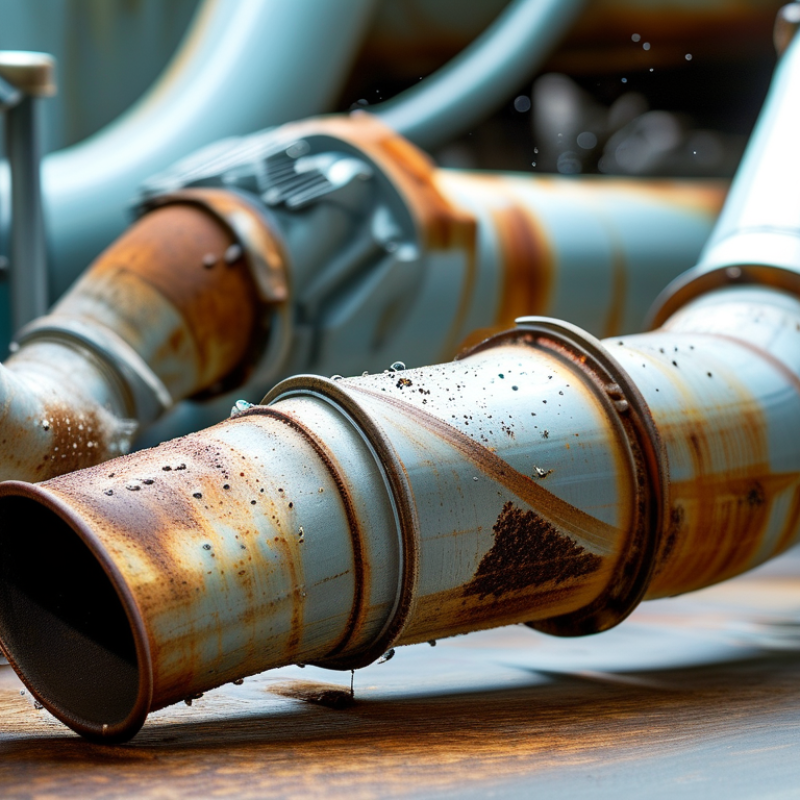
Exhaust mufflers and pipes play a crucial role in vehicle performance. These components help to reduce noise from the engine and control emissions. By dampening sound, mufflers enhance driving comfort. They also guide exhaust gases away from the engine, improving efficiency and longevity.
Over time, these parts can accumulate dirt, grime, and carbon deposits. Regular cleaning is essential to maintain their function. A neglected exhaust system may lead to rust and damage. This could increase repair costs and reduce your vehicle's overall performance.
Understanding your muffler and pipes helps in their upkeep. Visible rust spots or unusual noises should alert you to potential issues. Addressing these problems promptly can prevent significant damage. Regular inspections can save you time and money in the long run.
Cleaning and protecting exhaust mufflers and pipes is crucial for vehicle maintenance. To begin, gather essential cleaning supplies. A soft brush, microfiber cloths, and specialized cleaning solutions are key. These will help you remove rust, dirt, and grease effectively. According to a study by the International Journal of Vehicle Maintenance, proper care can extend the life of exhaust systems by up to 25%.
When selecting protective products, look for high-temperature sealants and rust inhibitors. These products not only enhance durability but also prevent further corrosion. Always read labels for application instructions. Experts suggest that regular cleaning every six months can prevent build-up and costly repairs.
Tips: Always wear gloves and safety goggles while cleaning. Avoid harsh chemicals that can damage surfaces. Consider using a pressure washer for heavy-duty cleaning, but maintain a safe distance to prevent scratches. Remember, neglecting these areas can lead to performance issues and safety hazards down the line. An informed approach can safeguard your investment and keep your vehicle running smoothly.
Cleaning exhaust mufflers and pipes can enhance performance and longevity. Begin by gathering your supplies. You'll need a degreaser, a soft brush, and a bucket of water. Make sure you're working in a well-ventilated area. Ensure that the exhaust system has cooled down completely to avoid burns.
Start the cleaning process by spraying the degreaser on the muffler and pipes. Let it sit for a few minutes to penetrate dirt and grime. Use a soft brush to scrub away stubborn deposits, paying attention to corners and crevices. Rinse with water thoroughly. It’s common to miss spots, so take your time. A second application with the brush may be necessary for a deeper clean. Dry the surface with a microfiber cloth to avoid water spots.
For protection, consider applying a rust inhibitor or high-temperature paint after cleaning. This step can help prevent future corrosion. Stay vigilant; regular maintenance is key. Over time, you may notice recurring buildup, which may indicate other issues. Reflecting on your cleaning effectiveness can lead to better results next time. Make this a routine to keep your exhaust system in top shape.
Applying a protective coating to exhaust systems is essential for enhancing durability and performance. According to a recent industry report, exhaust systems can face severe corrosion due to heat and exposure to various elements. A proper coating can reduce this vulnerability by up to 50%. It's crucial to prepare the surface correctly. Clean the pipes thoroughly to remove any dirt, grease, or rust. This step ensures better adhesion of the coating.
In terms of application techniques, there are several approaches. Aerosol sprays are popular for DIY enthusiasts. They allow for even coverage and can reach hard-to-access areas. However, improper application may lead to drips or uneven surfaces. Brush-on coatings provide better control but require more effort. Ensure you apply several thin layers, allowing each to dry before adding the next. This process can take time but leads to a robust finish.
The choice of coating is equally important. High-temperature resistant options are available, capable of withstanding extreme heat without breaking down. Specialized coatings can reflect heat or even enhance aesthetic appeal. However, using subpar products might result in premature failure. Regular inspection of the exhaust system post-application can help catch issues early, extending the life of the components significantly.
To maintain long-lasting performance of exhaust mufflers and pipes, regular cleaning is essential. Depending on driving conditions, experts recommend cleaning every six months to a year. Accumulated soot and carbon build-up can create blockages. A report by the Society of Automotive Engineers (SAE) indicated that about 30% of engine performance loss is due to exhaust system inefficiencies.
Proper techniques for cleaning include using mild detergents and a soft brush. Avoid harsh chemicals that could corrode components. After cleaning, applying a protective sealant helps prevent rust. Research shows that vehicles with treated exhaust systems have a lifespan extended by at least 18 months compared to untreated systems.
Check for leaks periodically. Studies reveal that 15% of vehicles experience exhaust leaks, reducing efficiency and increasing emissions. An inspection can save money in the long run. By focusing on these practices, vehicle owners can enhance the overall performance of their exhaust systems, contributing positively to road safety and environmental standards.
| Maintenance Task | Frequency | Recommended Products | Tips |
|---|---|---|---|
| Visual Inspection | Monthly | N/A | Check for rust, holes, and hangers. |
| Cleaning with Wire Brush | Every 3 Months | Wire Brush, Soapy Water | Remove built-up dirt and grime. |
| Rust Prevention Spray | Every 6 Months | Anti-rust Spray | Apply evenly after cleaning. |
| Inspect and Tighten Clamps | Every 6 Months | Socket Wrench | Ensure no leaks and proper fitting. |
| Professional Inspection | Yearly | N/A | Check for structural integrity. |
: Gather a degreaser, a soft brush, and a bucket of water.
Working in a well-ventilated area helps avoid inhaling harmful fumes.
Spray the degreaser on the muffler and pipes, and let it sit for a few minutes.
It’s common to miss areas; take your time and repeat cleaning if necessary.
A protective coating can prevent corrosion and enhance durability over time.
Use aerosol sprays for even coverage or brush-on for better control.
Apply several thin layers, allowing each to dry before the next.
Reflect on your cleaning process; it may indicate underlying issues needing attention.
Regular inspections and maintenance checks can catch issues early on.
Subpar products may lead to premature coating failure and reduce protection effectiveness.
Cleaning and protecting exhaust mufflers and pipes is crucial for maintaining their performance and longevity. Understanding their function and importance lays the foundation for effective maintenance. To start, gather the necessary cleaning supplies and protective products, ensuring you have the right tools for the job. The step-by-step cleaning process involves removing dirt, grime, and rust to restore the components to their optimal condition.
Once cleaned, it is essential to apply a protective coating to the exhaust system using appropriate techniques to prevent future damage from corrosion and the elements. Regular maintenance tips, such as periodic inspections and routine cleaning, will help ensure your exhaust muffler and pipes perform well over time. By following these guidelines on how to clean and protect exhaust mufflers and pipes, you can achieve better durability and efficiency for your vehicle’s exhaust system.

GLX Auto Parts