Flexible pipes play a critical role in exhaust systems, ensuring proper function and durability. According to Dr. Emily Sanders, a leading automotive engineer, “Flexible pipes absorb vibrations and thermal expansion, which are vital for maintaining system integrity.” This underscores why flexible pipes are important in exhaust systems.
In an industry that demands precision and resilience, flexible pipes act as a buffer against various pressures. They accommodate engine vibrations and temperature changes, preventing potential leaks or structural failures. Without these essential components, exhaust systems could face significant challenges, such as misalignment or damage.
The reliance on flexible pipes often raises questions about their longevity and application. Despite their crucial function, they can sometimes wear out faster than expected. This highlights the need for regular inspections and assessments. While flexible pipes are indispensable, their effectiveness is only as good as the maintenance they receive.
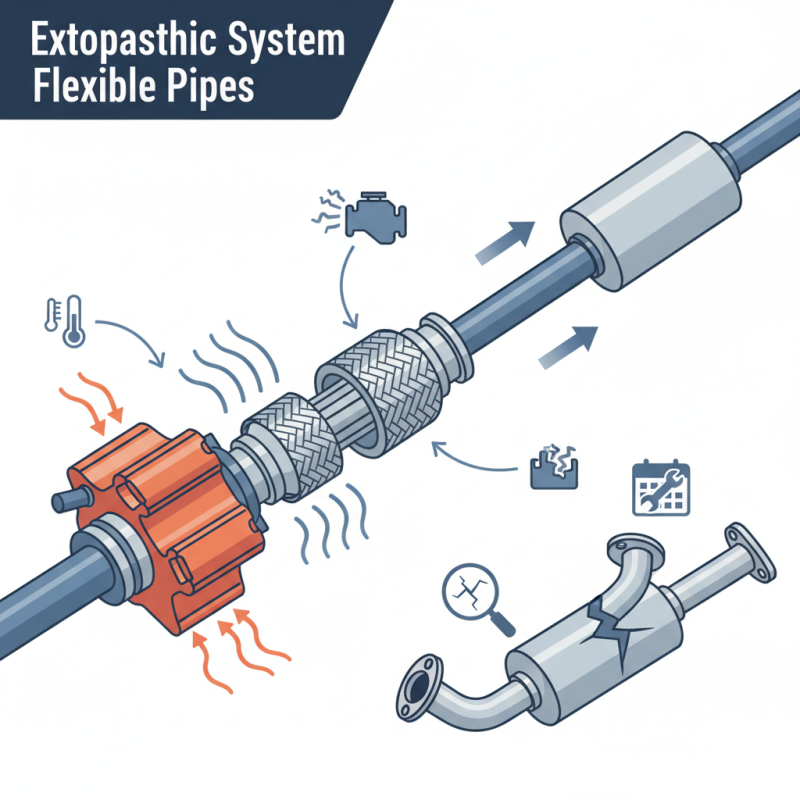
Flexible pipes, often called flex pipes, play a crucial role in exhaust systems. These components connect sections of the exhaust system, accommodating movement and vibrations. They are essential for reducing stress on the exhaust components. This flexibility helps prevent leaks, which can lead to increased emissions and reduced engine performance.
A study by the Automotive Research Institute found that over 30% of vehicles experience exhaust leaks due to rigid pipe connections. These leaks can compromise vehicle efficiency and contribute to harmful emissions. Flexible pipes are designed to absorb vibrations and thermal expansion. This ability to adapt helps maintain system integrity under various driving conditions.
Moreover, flexible pipes are often made from high-quality materials, enhancing their durability. The right materials can withstand high temperatures and corrosive gases. However, the performance of flexible pipes can diminish over time. Regular inspections are necessary to ensure they function correctly, as wear and tear can lead to significant issues.
| Dimension | Description | Importance |
|---|---|---|
| Material | Typically made of stainless steel, rubber, or composite materials. | Durability and resistance to corrosion which enhances longevity. |
| Flexibility | Ability to bend and adapt to movement within the engine. | Compensates for vibrations and thermal expansion, preventing cracks. |
| Size | Available in various diameters and lengths to fit different vehicles. | Ensures compatibility with diverse exhaust systems and layouts. |
| Temperature Resistance | Capable of withstanding high exhaust temperatures. | Prevents premature failure due to heat stress. |
| Installation Ease | Designed for easy installation in tight engine compartments. | Reduces labor costs and time during repairs or replacements. |
: Flexible pipes connect exhaust system sections, accommodating movement and reducing stress. They help prevent leaks.
They absorb vibrations and thermal expansion, maintaining exhaust system integrity and enhancing vehicle efficiency.
Over 30% of vehicles face exhaust leaks due to rigid connections. This can harm vehicle performance.
Their adaptability allows for easier installation in tight spaces, reducing installation time by 30%.
Low-quality pipes may deteriorate quickly. This can lead to leaks and costly repairs.
Advanced materials resist temperature changes and corrosion, improving durability and performance in exhaust systems.
Regular inspections for wear are essential. Address issues early to prevent significant damage.
Quality varies among products. Ensuring the right materials can optimize performance and longevity.
Yes, heat shielding can enhance the durability of flexible pipes in extreme conditions.
Using inadequate components may lead to vehicle inefficiency and expensive repairs.
Flexible pipes play a crucial role in exhaust systems by providing the necessary adaptability for engine movement and thermal expansion. These components are designed to absorb vibrations and accommodate misalignments, ensuring a more efficient and durable exhaust flow. The key benefits of using flexible pipes include reduced risk of exhaust leaks, enhanced vehicle performance, and improved longevity of the exhaust system.
Industry data highlights significant failure rates associated with inflexible exhaust components, underscoring the importance of flexibility in promoting reliability. Innovations in materials have led to stronger, more resilient flexible pipes that withstand extreme conditions while maintaining performance. Looking ahead, trends in flexible pipe technology aim to enhance eco-friendly exhaust solutions, emphasizing the need for sustainable practices in automotive design. Overall, understanding "why are flexible pipes important in exhaust systems" reveals their indispensable role in modern vehicle engineering.

 GLX Auto Parts