Choosing the right exhaust parts for your vehicle can be daunting. Many factors come into play. It’s essential to understand your needs and preferences. When considering how to choose the right exhaust parts for my vehicle, you should start with your car's make and model. Different vehicles have unique requirements.
Exhaust systems can affect performance, sound, and emissions. Consider whether you want a quiet ride or a performance-oriented roar. Research various brands and read reviews. Also, think about compatibility between parts. Each component must work well with the others.
Don’t overlook your budget. While it’s tempting to go for the cheapest option, higher-quality parts can save you money in the long run. Reflect on your driving habits too. Do you often drive in tough conditions? Answering these questions will help you make a more informed choice.
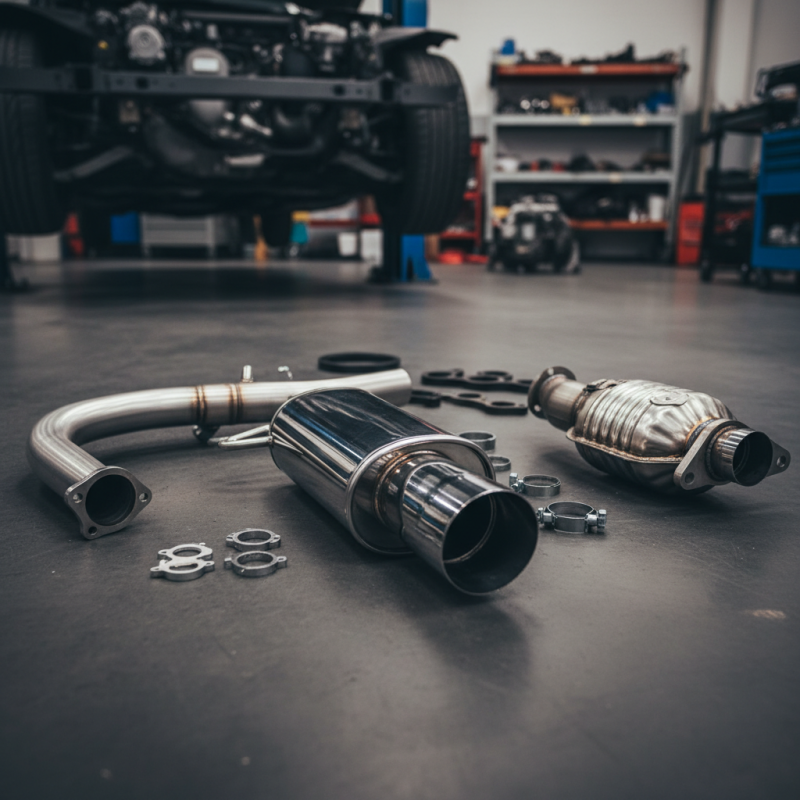
When considering your vehicle's exhaust system, it's crucial to understand its components. The exhaust system includes parts such as the exhaust manifold, catalytic converter, and muffler. Each of these parts serves a specific purpose, impacting performance and emissions. According to a 2022 industry report, poor exhaust components can lead to a 20% decrease in fuel efficiency. This highlights the importance of quality parts when making replacements.
The exhaust manifold directs exhaust gases from the engine. If it’s cracked, your engine could underperform. Data shows that a faulty manifold can increase engine temperatures, potentially causing severe damage. The catalytic converter also plays an essential role, reducing harmful emissions. When it fails, your vehicle may lose power and fail emissions tests, which can result in hefty fines.
Choosing the right muffler impacts sound and back pressure. An inadequate choice could create a loud, unpleasant noise or hinder engine performance. Experts stress that matching mufflers to your vehicle’s specifications is essential for balance. Remember, fitting the wrong parts not only affects performance but often leads to costly repairs down the road. Taking the time to understand these components can save money and enhance your vehicle’s lifespan.
When it comes to selecting exhaust parts for your vehicle, understanding specific requirements is crucial. Each vehicle has a unique exhaust system that influences performance and efficiency. Factors like engine size, make, and model play a significant role. Consider the material type as well. Stainless steel, for instance, offers durability, while mild steel is more budget-friendly. However, cheaper materials may rust quicker.
You should also look at your vehicle’s intended use. Will it be for daily commuting or off-road adventures? This distinction impacts the type of exhaust parts you need. For example, a vehicle used off-road may require enhanced sound dampening features or a different size to manage airflow. Consult your vehicle manual to get precise specifications.
Don't forget to check compatibility with other components too. Sometimes, what looks fine on the outside may not fit well internally. It’s a complex puzzle. Getting it wrong could lead to performance issues or unnecessary costs. Reflect on your choices carefully to avoid regrets later.
When selecting exhaust parts, material choices significantly impact durability and performance. Stainless steel and aluminum are popular options. Stainless steel offers resistance to rust and corrosion, extending the lifespan of exhaust systems. According to industry reports, stainless steel components can last up to three times longer than their aluminum counterparts. However, aluminum parts can be lighter, improving overall vehicle performance. They may not resist corrosion as well, especially in harsh environments.
Choosing between these materials involves evaluating your driving conditions. For example, if you live in an area with heavy snowfall and road salt, stainless steel is a safer bet. Its durability can save you from frequent replacements. Yet, aluminum could be suitable for racing enthusiasts focused on weight reduction. A study indicated that a lighter exhaust system can enhance acceleration and fuel efficiency.
DIY enthusiasts should consider the fabrication techniques as well. Welded structures often provide better integrity than bolted assemblies. However, welding requires specific skills and equipment. Additionally, ensure a proper fit, as improper installation can lead to leaks and decreased performance. Balancing these factors may seem overwhelming, but understanding the implications allows for better decision-making.
This chart illustrates the durability ratings of various exhaust materials commonly used in vehicle exhaust systems. The ratings are based on a scale from 1 to 10, with 10 being the most durable.
When choosing exhaust parts, compatibility with your vehicle's engine is crucial. Each engine has specific requirements. If you install incompatible parts, it may lead to performance issues. For instance, the wrong exhaust diameter can hinder exhaust flow, affecting power. Always consult your vehicle’s specifications before purchasing.
It's also important to consider your vehicle's model. Different models may have unique exhaust setups. If you have a modified vehicle, this can complicate compatibility. Ensuring a good fit is essential. Parts that don’t align properly can cause leaks. This might result in unpleasant noises or reduced efficiency. Never underestimate the role of precision in exhaust systems.
Sometimes, buyers focus solely on price. However, a lower cost might mean compromise on fit and performance. Research exhaust systems made for your specific engine type. Take your time to compare different options. Ask for advice from experienced mechanics or automotive forums. A well-informed choice can save you from regrets later.
| Tip Number | Tip Description | Considerations for Compatibility | Benefits of Proper Selection |
|---|---|---|---|
| 1 | Identify your vehicle's make and model. | Ensure parts are designed for your specific vehicle. | Increases performance and longevity. |
| 2 | Consider engine size and type. | Match exhaust components to engine specifications. | Enhances overall efficiency. |
| 3 | Research exhaust materials. | Select between stainless steel, aluminized steel, etc. | Corrosion resistance and durability. |
| 4 | Check for emission compliance. | Ensure parts meet local regulations. | Avoid fines and legal issues. |
| 5 | Evaluate sound level preferences. | Choose parts suitable for desired exhaust note. | Personalized driving experience. |
| 6 | Consult with experts or forums. | Gather opinions specific to your vehicle. | Enhanced decision-making process. |
| 7 | Consider installation options. | Evaluate DIY vs professional installation. | Cost-effective maintenance. |
| 8 | Compare warranties and guarantees. | Look for reliable coverage on parts. | Protection against defects. |
| 9 | Review customer feedback. | Assess reliability and performance of parts. | Informed purchasing decision. |
| 10 | Check pricing and budget. | Find a balance between price and quality. | Maximize value for investment. |
When it comes to exhaust parts, budgeting wisely is key. Quality pieces often come with a higher upfront cost. Yet, they can save you money over time. Cheaper parts may wear out quickly, leading to more frequent replacements. This can add up. Think about the long-term value of your investment. Pay attention to material quality. Stainless steel often lasts longer than mild steel.
Evaluate your needs carefully. You might find that a mid-range option meets your requirements without breaking the bank. Sometimes, spending a bit more initially can prevent future headaches. Remember to research warranties and return policies. A good warranty can provide peace of mind. Don't rush your decision. Take time to compare products. Check reviews and seek advice from other vehicle owners. Investing time now can pay off later.
Yet, we all make mistakes. Perhaps a shiny part caught your eye, only to find it wasn’t reliable. It’s a learning process. Reflect on your experiences and adjust your approach. Quality doesn't always mean high price, but it often requires patience and effort.
: The main components include the exhaust manifold, catalytic converter, and muffler. Each has a specific function.
A cracked manifold can lead to underperformance and increased engine temperatures, causing potential damage.
The catalytic converter reduces harmful emissions. A failure can result in power loss and failing emissions tests.
The right muffler affects sound and back pressure. An inadequate choice may create noise or hinder performance.
Quality parts often have a higher upfront cost but can save money over time by reducing replacement frequency.
Stainless steel is preferred for its longevity compared to mild steel, which may wear out quickly.
Research warranties, compare products, and read reviews. Take time to evaluate your needs before purchasing.
While cheaper parts seem appealing, they can lead to more costs in the long run due to frequent replacements.
Mistakes happen. Reflect on experiences and adjust your approach for future purchases to avoid issues.
Not always. Quality doesn't always mean high price, but it often requires careful consideration and research.
When considering how to choose the right exhaust parts for my vehicle, it is crucial to first understand the various components of your vehicle's exhaust system. Familiarity with the specific requirements of your vehicle will help narrow down suitable options. Evaluating material choices is also essential, as it affects both durability and performance. High-quality materials can improve the longevity of the parts while enhancing overall vehicle efficiency.
Additionally, ensuring compatibility with your vehicle's engine and model is vital for optimal performance. This involves checking specifications and fitment to avoid any installation issues. Finally, budgeting for quality is key; while it may be tempting to opt for cheaper parts, investing in high-quality exhaust components can lead to greater long-term value and reliability. By following these guidelines, you can make an informed decision and select the best exhaust parts for your needs.

GLX Auto Parts