How to Extend the Service Life of Exhaust Components for Durability?

Time:2026-05-25 Author:Aria
0%

Extending the service life of exhaust components is crucial for vehicle performance and environmental sustainability. According to a leading expert in automotive engineering, Dr. Jane Harper, “Proper maintenance techniques can significantly prolong the lifespan of exhaust systems.” This sentiment underscores the importance of understanding how to extend the service life of exhaust components to prevent premature failures.

Exhaust parts endure extreme conditions, enduring heat, corrosive gases, and road debris. These factors can damage components over time, leading to costly repairs. Regular inspections and timely replacements can help nip issues in the bud. Moreover, investing in high-quality materials can enhance durability. However, many vehicle owners often overlook simple maintenance tasks, which can lead to significant problems down the line.

Being proactive is key. Keeping the exhaust system clean and free from debris can make a substantial difference. While it may seem like a small effort, this can greatly affect lifetime performance. Ignoring these practices could result in unexpected breakdowns. Reflecting on the importance of regular maintenance allows car owners to avoid inconvenient repairs and costly replacements.
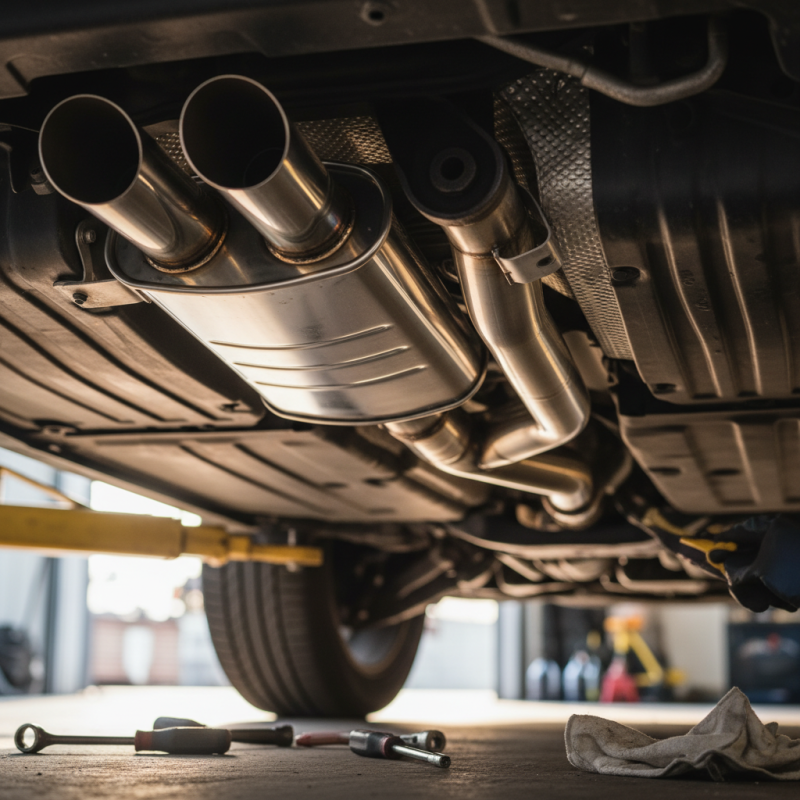
How to Extend the Service Life of Exhaust Components for Durability?

Understanding Exhaust Component Wear and Failure Mechanisms

Exhaust components endure significant wear due to high temperatures and corrosive gases. Understanding these failure mechanisms is crucial for extending their service life. Corrosion, for example, occurs when harmful substances react with metal surfaces. Regular exposure to moisture also accelerates this process.

To combat these issues, consider routine inspections. Look for signs of rust and cracks. When caught early, you can prevent costly replacements. Use high-quality materials during repairs. These choices can significantly improve durability.

Another tip is to address engine issues promptly. Poor engine performance can lead to excess soot. This buildup can harm the exhaust system. Cleaning the components or replacing faulty parts can enhance longevity. Be proactive rather than reactive. Remember, regular maintenance plays a key role in prolonging the life of your exhaust system.

Common Materials and Their Durability in Exhaust Systems

Exhaust systems rely on various materials that significantly influence their longevity and performance. Stainless steel is a popular choice due to its corrosion resistance. It withstands high temperatures and harsh conditions, which is crucial for exhaust components. Aluminum is another option. It is lightweight and offers decent resistance to rust. However, it may not last as long as stainless steel in extreme scenarios.

Some manufacturers use mild steel, often coated to enhance durability. While cheaper, mild steel can degrade quickly without proper care. A coating may delay rust, but it won’t last forever. High-performance systems might incorporate titanium. This material is incredibly strong and lightweight, but titanium parts are often more expensive.

Reflecting on these materials, each has its pros and cons. While stainless steel is durable, it can be heavy. Aluminum might lack longevity but offers weight savings. Choosing the right material is crucial for extending the service life of exhaust components. Understanding these details helps in making informed decisions to optimize performance and durability. Proper maintenance, such as regular inspections and prompt repairs, is also essential. Ignoring these aspects can lead to premature failures and costly replacements.

How to Extend the Service Life of Exhaust Components for Durability? - Common Materials and Their Durability in Exhaust Systems

Material Corrosion Resistance Temperature Tolerance (°C) Average Lifespan (Years) Common Applications
Stainless Steel High 800 10-15 Mufflers, Pipes
Aluminized Steel Moderate 500 5-10 Exhaust Pipes
Mild Steel Low 400 2-5 Budget Exhaust Systems
Titanium High 900 15-20 High-Performance Systems
Ceramic Coating Very High 1200 Variable Heat Shields, Headers

Maintenance Practices to Enhance Exhaust Component Lifespan

Maintaining exhaust components is crucial for vehicle longevity. Regular inspections and timely maintenance can prevent costly repairs down the road. Road conditions and driving habits can greatly affect the wear on these parts. Dent or rust can lead to significant damage if ignored.

One effective tip is to routinely check for rust or corrosion. Signs of wear can often be subtle at first, but ignoring them can lead to bigger issues. Keeping the exhaust system clean is essential. Dirt and grime accumulation can accelerate deterioration. Using a wire brush or pressure washer may help.

Another practice is to ensure proper alignment. Misaligned exhaust components can lead to vibration, causing stress on joints and mounts. An improperly mounted exhaust could fail prematurely. Pay attention to noises. Unusual sounds often indicate loose or damaged parts.

Incorporating these tips can enhance the lifespan of your exhaust system. Regular maintenance saves money and enhances performance. Periodic checks lead to better reliability and a smoother driving experience. Staying proactive can make a significant difference.

Technological Innovations in Exhaust System Durability

Recent advancements in exhaust system technology have significantly improved durability. Engineers are focusing on materials that withstand extreme conditions. According to a 2021 industry report, corrosion-resistant alloys can extend component life by up to 30%. These innovations reduce the frequency of repairs and replacements. Improved heat resistance is also crucial in high-performance environments.

The use of advanced coatings is gaining traction. These coatings help to prevent wear and tear caused by high temperatures and chemical exposure. A study highlighted that exhaust components with protective coatings show a 25% improvement in life expectancy compared to uncoated parts. Furthermore, integrating smart sensors in exhaust systems can monitor performance in real time. However, some manufacturers hesitate to adopt these technologies due to cost concerns.

Regular maintenance remains integral to longevity. Routine inspections can detect issues early, contributing to overall system durability. Data shows that vehicles with proper upkeep experience fewer component failures. Still, many users overlook this aspect. A continuous dialogue between consumers and manufacturers can drive advancements in exhaust technology. Balancing innovation with practical application is vital for sustainable progress in the industry.

Environmental Impact on Exhaust Component Longevity

Environmental factors play a significant role in the longevity of exhaust components. Corrosion, temperature fluctuations, and pollutants can drastically shorten their lifespan. For instance, salt from winter road treatments can lead to rust formation, degrading metal parts. Studies have shown that vehicles subjected to harsh environments may experience a reduction in exhaust component life by 20-30%.

The impact of heat cannot be overlooked. High temperatures can weaken materials, leading to cracks and premature failures. According to a report from the Society of Automotive Engineers, nearly 40% of exhaust system failures are linked to thermal stress. This highlights the need for adequate heat shielding and insulation to protect vulnerable components.

Regular maintenance is essential, yet many overlook this aspect. Even minor leaks can exacerbate environmental damage and accelerate deterioration. The average vehicle owner changes their exhaust system only after noticeable failure, leaving them vulnerable to further issues. Monitoring exhaust performance can extend service life and reduce environmental impact significantly. These proactive measures reflect the need for a deeper understanding of exhaust systems and their vulnerabilities.

FAQS

: What materials are commonly used in exhaust systems?

: Common materials include stainless steel, aluminum, mild steel, and titanium. Each has unique properties and durability.

Why is stainless steel popular for exhaust systems?

Stainless steel is favored for its corrosion resistance and ability to withstand high temperatures. It ensures longevity.

How does aluminum compare to stainless steel?

Aluminum is lighter and rust-resistant but may not last as long as stainless steel in extreme conditions.

What are the downsides of using mild steel?

Mild steel is cheaper but can degrade quickly without proper care. Coatings can delay rust but aren’t permanent.

Is titanium a good choice for high-performance exhaust systems?

Yes, titanium is strong and lightweight, but it often comes at a higher price. Cost versus benefits must be considered.

How can I maintain my exhaust system effectively?

Regularly inspect for rust, keep it clean, and ensure proper alignment. Maintenance prevents costly repairs later.

What signs should I look for to indicate wear?

Look for rust, corrosion, and unusual noises. Early detection can prevent significant damage.

What happens if I ignore maintenance?

Ignoring maintenance can lead to premature failures and costly replacements. It's essential to stay proactive.

Why is proper alignment important for exhaust components?

Misalignment can cause vibrations, stressing joints and mounts, leading to premature failure of the exhaust system.

How does driving behavior affect exhaust system longevity?

Driving habits and road conditions greatly influence wear. Rough roads can cause dents or rust if not addressed.

Conclusion

The article "How to Extend the Service Life of Exhaust Components for Durability?" explores various strategies to enhance the longevity of exhaust system components. It begins by examining the wear and failure mechanisms specific to these parts, shedding light on how environmental factors and material properties influence their durability. Common materials used in exhaust systems, along with their respective strengths and weaknesses, are discussed to provide insight into optimal choices for longevity.

Furthermore, the article emphasizes the importance of regular maintenance practices, such as inspections and timely repairs, which can significantly extend the service life of exhaust components. It also highlights recent technological innovations designed to improve durability, as well as the role of environmental conditions in affecting component lifespan. By understanding these aspects, vehicle owners and maintenance professionals can implement effective strategies on how to extend the service life of exhaust components, ultimately leading to more reliable and sustainable vehicle performance.

Aria

Aria

Aria is a dedicated marketing professional with a deep passion for innovative strategies and a keen understanding of our company's product offerings. With a wealth of experience in the industry, Aria excels at crafting engaging content that highlights the unique features and benefits of our......