When dealing with vehicle maintenance, exhaust system issues are common. Drivers often experience leaks and unusual noises. These problems can lead to decreased performance and increased emissions. Knowing how to fix common exhaust system leaks and noises is essential for any vehicle owner.
With hands-on experience, many find that immediate action can save a lot of time and money. A simple inspection may reveal a loose clamp or a small hole in the exhaust pipe. Using basic tools, these issues can often be fixed quickly. It’s not always straightforward, though. Sometimes, finding the source of the noise or leak can be challenging.
Understanding the structure of your exhaust system helps. Familiarizing yourself with its components offers insights into potential problems. If the issue seems beyond your skills, seeking professional help is advisable. Remember, addressing these issues sooner rather than later is wise. Ignoring them can lead to costly repairs down the line. Embrace the challenge and take proactive steps to maintain your vehicle.
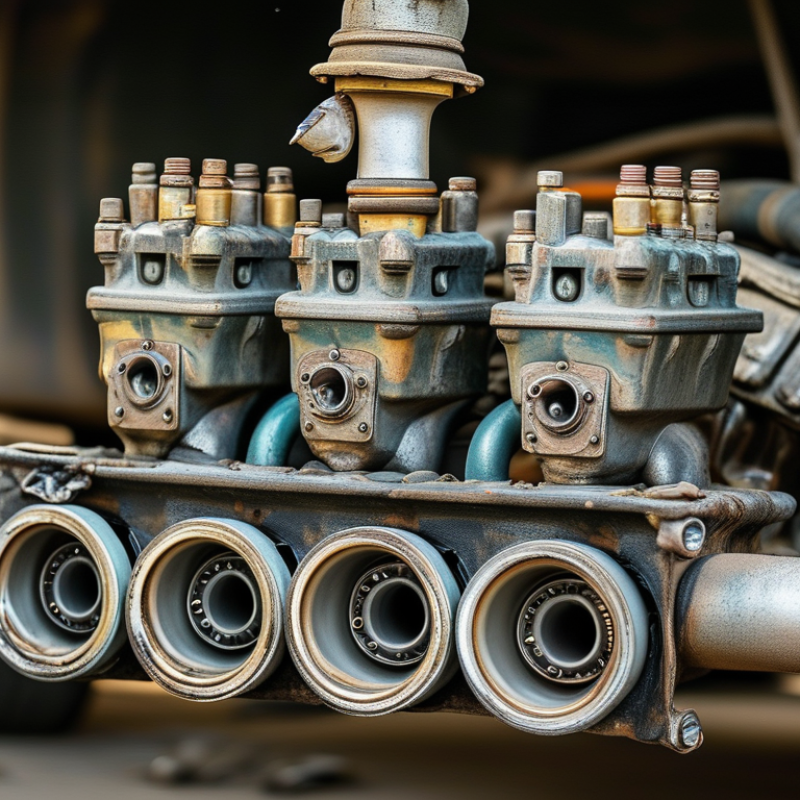
Identifying common exhaust system leaks and noises is essential for vehicle maintenance. Look for signs like a hissing sound, often due to a small leak in the exhaust pipes. When you hear a loud rumbling, it may indicate a crack in the muffler. Both issues can lead to more significant problems if ignored. Pay attention to the performance of your vehicle, as a decrease in power could suggest exhaust issues.
Visual inspection can reveal rust, holes, or damaged pipes. A smoke test might help identify hidden leaks. When you rev the engine, check for unusual vibrations or smells. These symptoms often signal a failing exhaust system. Regular checks can save money on repairs and improve vehicle safety.
Don't hesitate to consult a professional mechanic if you're unsure. Some leaks are hard to detect without special tools. Investing in quality service pays off in the long run. Remember, keeping your exhaust system in good shape ensures better fuel efficiency and a quieter ride. Being attentive to these signs can make a difference in your car’s overall health.
Diagnosing exhaust system issues requires specific tools for accurate inspection. Start with a basic mechanic’s toolkit, including wrenches and socket sets. A simple flashlight can help to spot cracks and damage in dark areas of the exhaust. Invest in a professional-grade smoke machine if you plan to work on leaks regularly. This tool produces smoke to reveal hidden leaks effectively.
Additionally, a sound level meter can help you evaluate noises. Noise can signal exhaust problems, but distinguishing between normal and problematic sounds is crucial. A simple handheld meter will give you clear feedback. It’s crucial to keep your tools organized and in good condition. Consider a toolbox that allows easy access to frequently used items. You might find that some tools become more valuable as you gain experience. Reflections on past repairs can inform your future work, making you more efficient with your time and resources.
| Tool | Purpose | Common Issues Addressed | Ease of Use |
|---|---|---|---|
| O2 Sensor Socket | Remove or replace oxygen sensors | Faulty O2 sensors leading to poor fuel efficiency | Moderate |
| Exhaust Leak Tester | Detect exhaust leaks | Hissing or popping noises; decreased engine performance | Easy |
| Torque Wrench | Ensure proper torque on bolts | Loose connections causing exhaust leaks | Moderate |
| Jack and Stands | Lift the vehicle for underbody access | Inspect undercarriage for damage | Easy |
| Pipe Cutter | Cut exhaust pipes cleanly | Replacing damaged sections of exhaust | Moderate |
An exhaust leak can create unwanted noise and affect your vehicle's performance. Identifying and sealing these leaks is crucial for improving both sound and efficiency. Begin your inspection by checking the exhaust system for visible cracks or holes. Common areas include joints, gaskets, and mufflers. A simple visual inspection can save you time and money.
When you find a leak, clean the area around it thoroughly. Use a wire brush to remove rust and debris. Once clean, apply a specialized exhaust sealant, ensuring it covers the leak completely. Allow the sealant to dry according to the manufacturer's instructions. This preventive step can enhance the longevity of your exhaust system.
A few proactive tips can help maintain your exhaust system. Regularly inspect your exhaust for signs of wear. Listen for unusual sounds while driving—these may signal emerging leaks. Keep your vehicle clean, especially around the exhaust pipes, to prevent rust buildup. These small actions can make a big difference in your vehicle's health and performance.
Exhaust noises can range from minor annoyances to serious warnings. If your vehicle has a loud rumble or unusual hissing sound, it may indicate a leak in the exhaust system. Identifying the type of noise can help determine the right repair technique. A hissing or tapping noise often signals a crack or hole, while a loud rumble typically means a damaged muffler or loose components.
A quick inspection can reveal many issues. Check for visible rust or holes along the exhaust pipes. You might find loose clamps or hangers that need tightening. Always wear safety gear when inspecting your vehicle. Using soapy water at joints can help identify leaks; bubbles will form at the leak site.
If you come across a crack, consider using exhaust tape as a temporary fix. For more significant damage, welding may be necessary. For a loose muffler, tighten the mounting brackets. Remember that procrastinating on repairs may lead to bigger problems down the line. Consistent maintenance can mitigate future issues. Your vehicle deserves attention to detail, just as you would give to any part of your home. Regular check-ups can save time and money, ensuring a smoother ride.
Maintaining a quiet exhaust system is crucial for vehicle performance and comfort. Regular inspection of exhaust components can prevent noise and leaks. According to the National Institute for Automotive Service Excellence (ASE), nearly 20% of all automotive complaints relate to noise. A minor leak in the exhaust system can lead to increased noise levels and can develop into a major issue if neglected.
Identifying common problems early is vital. Look for signs of corrosion or wear in pipes and joints. A simple visual inspection of the system can save significant costs. Many repair shops note that routine checks can reveal exhaust issues before they escalate. Listening for hissing or popping sounds while the engine is running can also indicate a leak. It's essential for vehicle owners to be aware of these warning signs to ensure their exhaust system remains functioning smoothly.
Carrying out preventative maintenance can also involve regular cleaning. Debris can clog the system, leading to unwanted noises. A clean exhaust can drastically reduce sound levels by ensuring gases pass freely. Even small actions, like checking the hangers that support the system, can contribute to a quieter ride. Data shows that proper support can reduce rattling noises significantly. Remember, attention to detail today leads to a quieter drive tomorrow.
: Pay attention to hissing or loud rumbling sounds. These can indicate leaks or muffler cracks.
Look for rust, holes, or damaged pipes during your inspection. This can prevent bigger problems.
It might indicate exhaust system issues. Performance loss often points to leaks or blockages.
Routine inspections can save on repairs and improve safety. They catch issues before they worsen.
Look for corrosion, popping sounds, or unusual vibrations for early detection.
Keeping it clean prevents debris buildup and unwanted noise. It allows gases to pass freely.
Consulting a professional mechanic is wise. Some leaks need special tools to detect.
Yes, checking support hangers can reduce rattling. Attention to small details matters greatly.
It’s crucial for performance and comfort. Neglecting issues can lead to significant noise and costs later.
A smoke test helps identify hidden leaks. It's a helpful tool for recognizing exhaust system problems.
The article "How to Fix Common Exhaust System Leaks and Noises Easily" provides a comprehensive guide for automobile enthusiasts and DIYers looking to address issues with their vehicle's exhaust system. It begins with identifying common leaks and noises that may arise, such as hissing sounds or unusual vibrations, and outlines essential tools needed for accurate diagnosis.
The step-by-step guide offers practical solutions for sealing exhaust leaks, including various repair techniques tailored to different types of noises. Additionally, the article emphasizes the importance of preventative maintenance to ensure a quiet and efficient exhaust system. With these insights, readers can confidently learn how to fix common exhaust system leaks and noises, enhancing both performance and comfort while driving.
GLX Auto Parts