Top China Exhaust Systems How to Fix Poor Performance?

Time:2026-10-25 Author:Aria
0%

Choosing among top China exhaust systems requires more than comparing pipe diameter, chrome finish, or online ratings. A well-designed exhaust system should support efficient gas flow, stable engine operation, acceptable noise levels, and long-term durability. However, poor performance can come from several sources. Leaks, damaged oxygen sensors, blocked catalytic components, incorrect tuning, or poor installation may produce similar symptoms. Diagnosis must come before replacement.

How to troubleshoot poor exhaust system performance begins with careful observation. Listen for ticking sounds near the manifold, especially during a cold start. Check for black soot around joints, unusual vibrations, reduced acceleration, or a strong exhaust smell. A qualified technician can use a scan tool, back-pressure test, and leak inspection to confirm the cause. These checks are more dependable than guessing from a louder exhaust note. In some cases, an aftermarket system may fit physically but still create unwanted pressure changes. That detail is easy to overlook.

Reliable manufacturers should provide material specifications, weld quality information, testing records, and installation guidance. Stainless steel grades, flange alignment, hanger strength, and heat shielding deserve close attention. Independent reviews help, but they are not equal to documented testing. I have seen attractive systems lose performance after repeated heat cycles because their joints were not adequately supported. That experience is a useful warning, not a universal judgment. This guide examines practical troubleshooting methods, supplier credibility, installation risks, and maintenance steps. It also recognizes an uncomfortable truth: the most expensive exhaust system is not always the best match for every vehicle, driver, or operating environment.
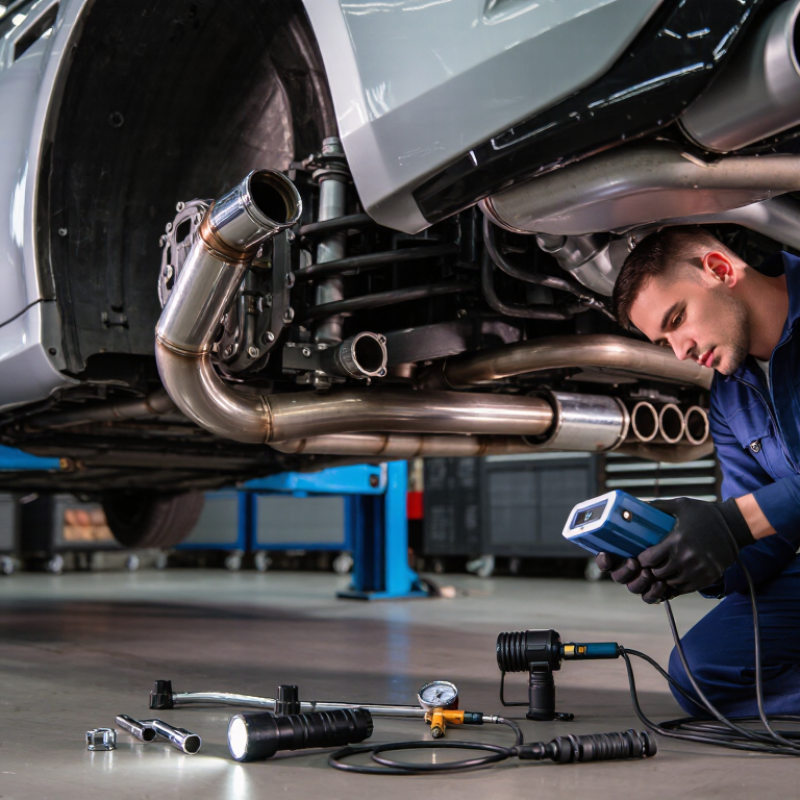
Top China Exhaust Systems How to Fix Poor Performance?

Understanding Poor Performance in Top China Exhaust Systems

Poor performance in top China exhaust systems often appears as slow acceleration, uneven idling, or a sudden drop in fuel economy. A vehicle may also produce a metallic rattle beneath the floor. These signs should not be blamed on the muffler alone. Restricted pipes, leaking joints, damaged oxygen sensors, and blocked emission-control components can create similar symptoms.

In workshop inspections, I start with an OBD scan and a visual check while the system is cold. Loose clamps often leave black soot around the connection. A pressure test can reveal excessive backpressure before parts are replaced. The engine should also be checked for misfires, because unburned fuel can overheat internal exhaust components. Measurements are more dependable than sound alone.

I once assumed a loud exhaust meant poor internal flow. That was wrong. A cracked gasket caused the noise, while the real power loss came from a partially restricted pipe. This mistake reminded me to test each section separately. Fitment matters too. Incorrect pipe diameter, poor welding, or weak hangers can create vibration and leaks. Repairs should preserve required noise and emissions controls, and installation must follow local road regulations. Use heat-resistant seals, secure every hanger, and inspect clearance near fuel lines and plastic panels. Even a small leak near the engine can draw in outside air and distort sensor readings.

Identifying Common Causes of Exhaust System Problems

Poor exhaust performance rarely begins with a dramatic failure. It often starts with a soft rattle, slower acceleration, or a fuel smell near the rear. In workshop inspections, loose heat shields and crushed pipes appear frequently. A blocked muffler can also create back pressure. The engine then feels tired under load. Do not guess. Park safely, let the system cool, and inspect visible joints, hangers, and soot marks. Never touch hot metal.

Leaks near the engine deserve prompt attention. Exhaust gases may contain carbon monoxide, an invisible and dangerous gas. A trained technician can use pressure testing, smoke testing, or a scan tool to locate the fault. Check oxygen sensor readings before replacing parts. A faulty sensor may imitate a blocked converter or poor fuel delivery. I once focused on a noisy tailpipe and missed a cracked flex section. That mistake cost time. It also showed why sound alone is weak evidence.

Corrosion grows faster where moisture collects, especially around clamps and low bends. Short trips can leave condensation inside the pipes. Inspect welds, gaskets, and rubber mounts during routine service. Replacement parts should match the vehicle’s engine and emissions requirements. Fitment matters. After repair, confirm normal idle, smooth acceleration, and safe clearance from the body. Keep records of symptoms, test results, and replaced components. Clear records make the next diagnosis more reliable.

Top China Exhaust Systems: How to Fix Poor Performance?

Exhaust restrictions, leaks, and failed emissions components can reduce engine efficiency and drivability. The chart shows typical diagnostic reference values used to identify common exhaust-system problems. Higher values indicate a greater likelihood of noticeable performance loss or a need for immediate inspection.

Inspecting and Diagnosing Exhaust Components Step by Step

Poor exhaust performance often appears as weak acceleration, high fuel use, or a harsh metallic sound. Start with a cold visual inspection. Check crushed pipes, loose hangers, damaged heat shields, and black soot near joints. Look underneath with the vehicle safely supported. Never trust a jack alone. I once blamed the muffler, but a split flex pipe caused the noise. That mistake reinforced one rule: inspect the entire exhaust path.

Start the engine and listen for ticking near the manifold and joints. Keep hands and clothing away from hot components. A trained technician can use an approved smoke machine to locate small leaks.

Scan for fault codes, then inspect sensor wiring and connectors. Do not replace a sensor only because a warning light appears. The code may describe a mixture problem, not the actual failed component.

If restriction is suspected, measure exhaust backpressure against service specifications. A vacuum gauge can also reveal changing engine behavior under steady speed. Compare temperatures before and after the catalytic converter with suitable equipment. Record engine speed, load, fuel trims, and road conditions during a test drive. I still repeat this test, because one reading can mislead. Replace damaged parts with compliant components, and recheck every clamp after the first heat cycle.

Repairing or Replacing Faulty Exhaust System Parts

Top China Exhaust Systems: How to Fix Poor Performance?

Poor exhaust performance often appears as weak acceleration, strange noises, or rising fuel use. A blocked muffler may feel like a heavy weight behind the vehicle. Start with a visual inspection when the system is cold. Check for rust holes, loose brackets, cracked welds, and black soot around joints. These marks often reveal escaping exhaust gases. A workshop pressure test can confirm restrictions more accurately than sound alone.

Repairing a faulty part is practical when damage is small and accessible. A loose hanger, worn gasket, or minor joint leak may need only replacement hardware. Heavily corroded pipes usually deserve replacement instead. Patching thin metal can fail within weeks, especially in wet or salty conditions. Sensors and emissions-control components need careful testing before replacement. Guessing can waste money and create new performance problems. Use measured readings, service data, and qualified inspection methods.

Fitment matters as much as the part itself. Incorrect pipe diameter can reduce flow or increase unwanted noise. Poor alignment may place heat near wiring, plastic panels, or the vehicle floor. After installation, inspect every clamp and weld, then check for leaks during a controlled test. Let the system cool before retightening anything. I have seen rushed repairs pass a driveway check but fail after several heat cycles. That mistake is easy to repeat. Reliable repairs require patience, accurate parts, and compliance with local safety and emissions requirements.

Testing Performance and Preventing Future Exhaust Issues

Top China Exhaust Systems: How to Fix Poor Performance?

Testing Performance and Preventing Future Exhaust Issues

Poor exhaust performance often begins with a small installation problem. Check flange joints, gaskets, hangers, and pipe alignment before changing parts. Small leaks matter. A cold engine makes loose connections easier to spot, while soot marks can reveal escaping gases around the joints.

Use a pressure test or smoke test to locate hidden leaks. Then measure back pressure under controlled engine speeds, preferably with calibrated equipment. Excessive pressure may indicate a restricted muffler, crushed pipe, or damaged internal baffle. Compare temperature readings before and after the catalytic section. An unusual temperature difference deserves further inspection. A dyno test can confirm whether power loss comes from the exhaust rather than fuel, ignition, or air intake problems.

Sound alone is unreliable. A deeper tone does not prove better airflow. One practical lesson is that a visually clean system can still have poor internal welding or uneven pipe transitions. The first diagnosis is not always right. Recheck measurements after the system reaches operating temperature. Prevent future issues by protecting exposed metal, keeping hangers flexible, and checking fasteners during routine servicing. Avoid forcing misaligned pipes into place. That stress often returns as cracks, rattles, or leaks. Keep test records, including temperature, pressure, mileage, and repair dates. Clear records improve later decisions and make quality problems easier to trace.

FAQS

What symptoms suggest an exhaust system problem?

Weak acceleration, higher fuel use, strange noises, or harsh metallic sounds may indicate trouble.

When should an exhaust system receive a visual inspection?

Inspect it when cold. Look for rust holes, crushed pipes, loose hangers, cracked welds, and black soot.

What safety steps are important before looking underneath a vehicle?

Support the vehicle securely with approved stands. Never trust a jack alone.

How can small exhaust leaks be located?

Listen for ticking near joints and the manifold. An approved smoke machine can reveal smaller leaks.

Should a warning light automatically mean sensor replacement?

No. Scan the fault codes first, then inspect sensor wiring and connectors. The code may show a mixture problem.

How can a restricted exhaust system be tested?

Measure backpressure against service specifications. A vacuum gauge may reveal changing engine behavior.

When is repairing an exhaust part better than replacing it?

Repair small, accessible faults, such as a loose hanger, worn gasket, or minor joint leak.

Why should heavily corroded pipes usually be replaced?

Thin metal patches can fail within weeks, especially in wet or salty conditions. I once underestimated corrosion.

Why does correct part fitment matter?

Incorrect pipe diameter can reduce flow or increase noise. Poor alignment can expose wiring and plastic parts to heat.

What should be checked after an exhaust repair?

Inspect clamps and welds, then perform a controlled leak check. Let the system cool before retightening. One check may mislead.

Conclusion

Poor performance in exhaust systems can reduce engine efficiency, increase fuel consumption, create unusual sounds, and lead to excessive emissions. This guide explains How to troubleshoot poor exhaust system performance by examining symptoms such as weak acceleration, rattling, unusual odors, visible damage, or restricted airflow. Common causes may include clogged components, leaks at joints, damaged pipes, loose mounting points, or faulty sensors. A careful inspection should begin with a visual check, followed by listening for abnormal noises and testing airflow, pressure, and related engine readings.

Once the problem is identified, damaged sections, seals, hangers, or other faulty parts should be repaired or replaced with suitable components. Afterward, the system should be tested under different driving conditions to confirm improved performance and safe operation. Regular inspections, timely cleaning, secure connections, and attention to warning signs can help prevent future exhaust issues and support consistent engine efficiency.

Aria

Aria

Aria is a dedicated marketing professional with a deep passion for innovative strategies and a keen understanding of our company's product offerings. With a wealth of experience in the industry, Aria excels at crafting engaging content that highlights the unique features and benefits of our......