Why is Flexibility in Exhaust Pipe Design Crucial for Performance?

Time:2026-08-03 Author:Amelia
0%

When it comes to automotive performance, one crucial aspect is the design of exhaust systems. Flexibility plays a pivotal role. Mike Anderson, an expert in automotive engineering, emphasizes, "Flexible pipes adapt to engine movements, preventing damage and enhancing performance." This statement highlights the significance of flexibility in exhaust systems.

Why are flexible pipes important in exhaust systems? They allow for necessary movement. Engines vibrate and shift during operation. Rigid connections can lead to stress and eventual failure. Flexible pipes absorb these vibrations. They extend the lifespan of exhaust components.

Additionally, flexible pipes facilitate easier installation. They accommodate misalignments and variations in design. This adaptability can save time and resources. However, misuse or low-quality materials can lead to failures. Proper selection of flexible pipes is essential. It ensures reliability and optimal performance. Every detail matters in exhaust design. Balancing flexibility with strength is a challenge worth addressing.
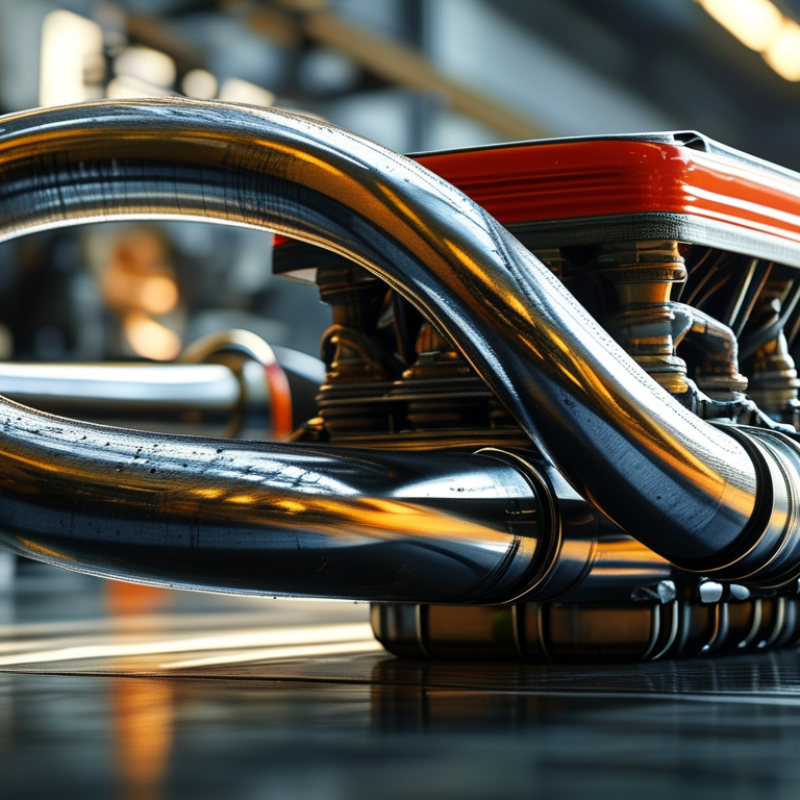
Why is Flexibility in Exhaust Pipe Design Crucial for Performance?

The Role of Exhaust Pipe Flexibility in Performance Optimization

Flexibility in exhaust pipe design plays a vital role in optimizing vehicle performance. It allows for movement and adjustment as the engine operates. When the engine runs, it generates heat and vibrations. These factors can affect exhaust systems that are too rigid. A flexible exhaust pipe can absorb some of these stresses. This helps prevent damage and maintains effective exhaust flow.

Tips: Consider the bends and curves in your exhaust design. Sharp bends can restrict flow and create pressure drops. Smooth transitions enhance performance.

The ability to expand and contract is key. It helps maintain the system's integrity over time. A well-designed flexible exhaust pipe can mitigate stress points, promoting durability. However, flexibility must not compromise the exhaust's structural integrity. Finding the right balance is essential for optimal performance.

Tips: Regularly inspect your exhaust system for signs of wear. Look for any leaks or cracks that may develop. Small issues can lead to larger problems. Address them promptly to maintain peak performance.

Understanding the Mechanics of Exhaust Flow and Flexibility Needs

Flexibility in exhaust pipe design is pivotal for optimizing engine performance. The mechanics of exhaust flow require a comprehensive understanding of how gases travel through the system. According to the Society of Automotive Engineers (SAE), improper exhaust system configuration can lead to a significant drop in performance by as much as 15%. Excessive restrictions in the exhaust path can hinder gas evacuation. This results in increased back pressure, causing the engine to operate less efficiently.

The need for flexibility often stems from engine movement, particularly in high-performance scenarios. Engine vibrations and chassis flex can alter exhaust alignment. A rigid exhaust system may crack or create leaks, leading to loss of performance. A study published in the Journal of Engineering for Gas Turbines and Power highlighted that flexible joints decrease stress concentrations, ultimately extending the lifespan of exhaust systems by 30%. Incorporating flexible components is not merely a design choice but a necessity for maintaining optimal exhaust flow.

Moreover, while flexibility offers benefits, it may present challenges. Over-application can lead to higher costs and complexities in installation. Balance is vital. Engineers must weigh the cost-effectiveness of flexibility against performance gains. Reports show that designing exhaust systems with too much flexibility can cause unwanted sound modulation. This reinforces the need for careful assessment of material properties and design tolerances.

Impact of Engine Movement on Exhaust System Design Requirements

Engine movement affects exhaust system performance significantly. As the engine operates, vibrations and motions occur. This dynamic environment requires a flexible exhaust pipe design. Rigid pipes can lead to stress and potential failures over time. Flexibility allows the system to adapt to these movements without compromising integrity.

Incorporating flexible joints in exhaust designs helps absorb engine vibrations. This improves durability and minimizes noise. Engineers must consider the range of motion for various engine types. Inadequate flexibility can cause misalignment or leaks. Regular assessments should be part of maintenance strategies, as wear can impact exhaust efficiency.

Understanding the interplay between engine movement and exhaust design is essential. Insights gained can lead to better performance outcomes. However, developing a truly robust solution remains a challenge. Balancing flexibility with durability often requires innovative approaches. Each design must reflect an understanding of these complexities for optimal operation.

Impact of Engine Movement on Exhaust System Design Requirements

Material Choices for Flexible Exhaust Pipe Design for Enhanced Durability

Flexible exhaust pipe design plays a pivotal role in vehicle performance and efficiency. The right material choice enhances durability and can withstand extreme conditions. Stainless steel, for instance, is widely acknowledged for its rust resistance and ability to endure high temperatures. Research suggests that exhaust systems made with high-grade stainless steel can last up to 30% longer than those made with lower-grade materials.

Another popular option is aluminized steel, which combines good strength with a lower cost. This material, however, may not perform as well in corrosive environments. In fact, studies indicate that aluminized steel exhausts can show significant wear after just five years under harsh conditions.

Tip: When selecting materials, consider your driving environment. Harsh climates may necessitate stainless steel for longevity.

The selection of flexible joints also matters. Silicone and rubber materials can absorb vibrations, reducing stress on the exhaust system. According to industry surveys, vehicles with flexible joints showed a 20% reduction in exhaust system failures over a five-year period.

Tip: Regular inspections can catch issues early. Check for cracks or leaks around flexible joints to ensure optimal performance.

Choosing the right materials and designs for exhaust pipes is crucial. It requires careful consideration of both durability and performance needs.

Consequences of Inflexible Exhaust Systems on Overall Vehicle Performance

Inflexible exhaust systems can severely impact a vehicle's overall performance. Data from the Society of Automotive Engineers indicates that rigid exhaust pipes can restrict exhaust flow. This leads to increased back pressure. Higher back pressure reduces engine efficiency, forcing the engine to work harder. This can result in a decrease in power output by up to 10%, according to industry studies.

Moreover, rigid designs can cause noise and vibrations. These disturbances not only affect comfort but can also lead to premature wear of engine components. A report by the International Journal of Automotive Technology notes that flexibility in exhaust design allows for better alignment with engine movements. This adaptation enhances durability and performance.

Ignoring flexibility can create problems down the road. Vehicle owners may face increased maintenance costs. Additionally, efficiency losses often translate into worse fuel economy. Studies show that flexible exhaust systems can improve miles per gallon by as much as 5%. Investing in a well-designed exhaust system is crucial for long-term vehicle performance and reliability.

FAQS

: Why is flexibility important in exhaust pipe design?

: Flexibility optimizes engine performance by allowing gases to flow efficiently. Rigid systems can restrict gas evacuation.

What happens if an exhaust system is rigid?

Rigid exhaust systems can cause increased back pressure. This leads to reduced engine efficiency and potential power loss.

How do engine vibrations affect exhaust systems?

Engine vibrations require flexible designs. These designs help adapt to movements, preventing stress and potential failures over time.

What are the benefits of using flexible joints in exhaust designs?

Flexible joints absorb vibrations, improving durability. They help minimize noise and prevent leaks caused by misalignment.

What are the drawbacks of excessive flexibility in exhaust systems?

Over-flexibility can increase costs. It may also introduce unwanted sound modulation, complicating the design and installation process.

How can inflexible exhaust systems impact vehicle comfort?

They can create noise and vibrations, impacting comfort significantly. This can lead to premature wear of engine components over time.

What is the relationship between exhaust design and fuel economy?

Flexible exhaust systems can enhance fuel efficiency. Studies suggest improvements in miles per gallon by up to 5%.

What should vehicle owners do to ensure exhaust system performance?

Regular assessments are necessary to prevent inefficiencies. Paying attention to flexibility can help avoid higher maintenance costs later.

Is it easy to create a flexible exhaust system?

No, balancing flexibility and durability is challenging. Innovation is necessary to meet performance needs while ensuring reliability.

How often should exhaust systems be evaluated?

Regular evaluations are vital. Wear can reduce exhaust efficiency significantly if ignored, impacting overall performance.

Conclusion

Flexibility in exhaust pipe design is crucial for optimizing vehicle performance, as it allows the system to accommodate the dynamics of engine movement. Understanding the mechanics of exhaust flow reveals that flexible pipes play a vital role in minimizing stress on the exhaust system, which is essential for maintaining efficiency and reducing the risk of damage. The design must consider not only the movement of the engine but also the thermal expansion and vibrations that occur during operation.

Moreover, selecting the appropriate materials for flexible exhaust pipes can significantly enhance durability and longevity. Inflexible exhaust systems can lead to increased strain, resulting in failures that negatively impact overall vehicle performance. Thus, to answer the question, "Why are flexible pipes important in exhaust systems," it is clear that they provide necessary adaptability that ultimately contributes to a vehicle’s efficiency and reliability.

Amelia

Amelia

Amelia is a seasoned marketing professional with a wealth of expertise in our company’s core offerings. With an unwavering passion for driving growth and innovation, she plays a pivotal role in shaping our marketing strategies and enhancing brand visibility. A key aspect of her responsibilities......