What is the future trend of automotive exhaust technology?

Time:2026-07-14 Author:Amelia
0%

In recent years, automotive exhaust technology has undergone significant changes. With growing environmental concerns, the industry faces pressure to innovate. What is the future trend of automotive exhaust technology? This question is pivotal for manufacturers, regulators, and consumers alike.

The shift towards electric vehicles has sparked new approaches. Traditional catalytic converters might evolve, but how? Companies explore lightweight materials and advanced filtration techniques. This adaption could significantly reduce emissions. However, some challenges remain. Not all regions are equipped to support such rapid changes.

Emerging technologies promise improvements, but results can be inconsistent. Companies need more time to test innovations. Will these advancements meet global standards? As research continues, the road ahead seems uncertain yet promising. Understanding these trends is crucial for stakeholders in the automotive market.
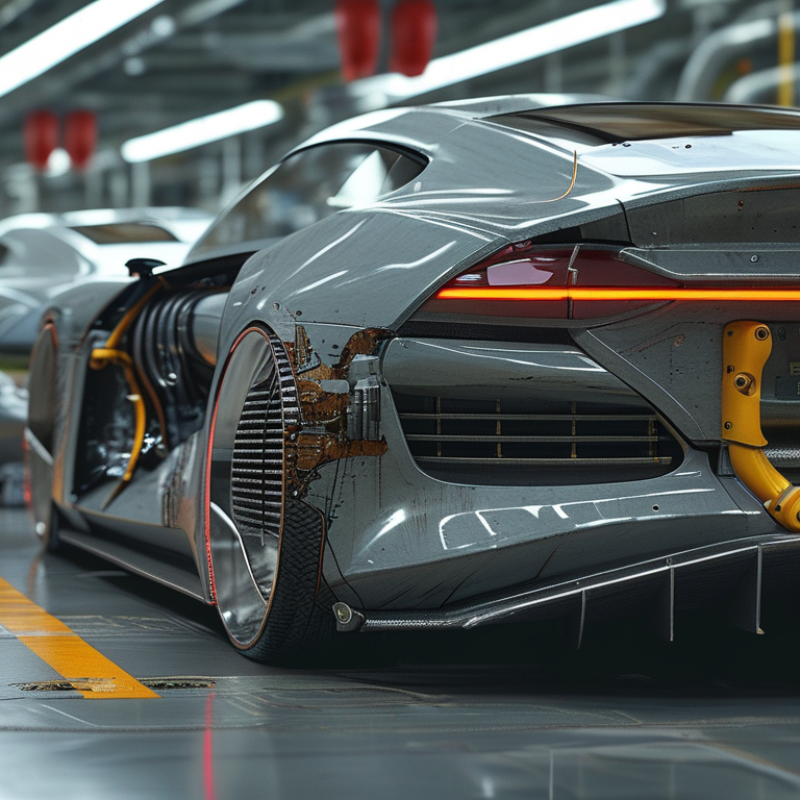
What is the future trend of automotive exhaust technology?

Advancements in Catalytic Converter Technology for Reducing Emissions

Advancements in catalytic converter technology are crucial for reducing automotive emissions. Modern converters use precious metals like platinum, palladium, and rhodium. These materials facilitate chemical reactions that transform harmful gases into less toxic emissions. Reports show that new catalyst formulations can improve efficiency by up to 25% compared to traditional designs. This is significant when considering the increasing global regulations for vehicle emissions.

However, the industry faces challenges. Precious metal prices are volatile. This volatility can impact manufacturing costs and the overall accessibility of emissions-reducing technologies. Moreover, not all vehicle manufacturers may adopt the latest technologies, leading to a potential disparity in emissions reduction across the sector. A recent study indicated that while 60% of new vehicles use advanced catalytic converters, a significant percentage of older models remain on the road without such upgrades.

Innovative approaches are being explored, including the integration of electric and hybrid technologies. These advancements can further enhance converter performance. Yet, there’s a need for comprehensive strategies to remove legacy systems from circulation. Regulatory bodies may need to enforce stricter timelines for upgrading existing vehicles. Balancing cost, performance, and environmental impact remains a critical focus for the future of automotive exhaust technology.

The Role of Electric Vehicles in Shaping Future Exhaust Systems

The rise of electric vehicles (EVs) is reshaping automotive exhaust technologies. Traditional combustion engines produce significant emissions. In contrast, EVs operate without tailpipe emissions, prompting a reevaluation of exhaust system designs. The shift toward electrification presents both challenges and opportunities for emission control.

As the industry pivots, new technologies emerge. Innovations in material science drive lightweight and efficient designs. Exhaust systems may need to incorporate advanced filtration for hybrid models, as they continue to emit pollutants during operation. The need for regulatory compliance creates pressures for manufacturers to develop cleaner technologies.

While the push for greener vehicles is commendable, gaps remain. Not all regions have the infrastructure to support EV use. Concerns over battery disposal and sourcing materials persist. The discussion surrounding future exhaust systems must include these complex issues. Stakeholders must address them to ensure a sustainable automotive future.

Future Trends in Automotive Exhaust Technology

Innovations in Exhaust Gas Recirculation (EGR) for Cleaner Combustion

The automotive industry is experiencing a significant shift towards cleaner technologies. Exhaust Gas Recirculation (EGR) is at the forefront of these innovations. EGR reduces nitrogen oxide emissions by recirculating a portion of exhaust gas back into the engine. This process dilutes the air-fuel mixture, lowering the combustion temperature. As a result, it helps reduce harmful emissions significantly.

Recent advancements in EGR systems are promising. New designs aim for better efficiency and performance. For example, variable geometry EGR systems adapt to driving conditions. They optimize the amount of exhaust gas recirculated at different speeds. This adaptability can improve fuel economy and reduce emissions. However, challenges remain. Complex designs can be difficult to maintain. Many systems require careful calibration to work effectively.

The future of EGR technology lies in automation and integration with other systems. As vehicles become smarter, EGR can work alongside turbochargers and advanced sensors. This synergy could yield cleaner and more efficient engines. Some experts express concerns about the balance between performance and emissions goals. Continuous innovation in EGR technology is essential for achieving sustainable mobility.

Integration of Sensors and Smart Technology in Exhaust Management

The future of automotive exhaust technology leans heavily on the integration of sensors and smart technology. This shift aims to enhance emissions control and boost efficiency. According to the "Global Automotive Exhaust Systems Market Report", the demand for advanced exhaust systems is expected to grow by over 5% annually through 2027. Innovating these systems with smart technology can drastically improve performance.

Sensors play a crucial role in tracking exhaust emissions in real-time. By providing data, they enable vehicles to adjust their operation, reducing harmful outputs. The "Automotive Industry Data Report" also indicates that smart sensors can increase the accuracy of emissions readings by 30%. However, the complexity of integrating these systems should not be overlooked. A lack of standardization may pose challenges.

Tips for manufacturers include prioritizing ease of integration of sensors within existing systems. Continuous feedback loops from these technologies can inform better design choices. Investing in robust data management systems will further enhance efficacy. As technology evolves, unintended consequences may arise. Rethinking designs to accommodate new data is vital, and flexibility will be crucial.

Regulatory Impacts on Automotive Exhaust Technology Development

The automotive industry faces increasing pressure from regulatory bodies worldwide. Stricter emissions standards impact how manufacturers design exhaust systems. This regulatory environment drives the innovation of more efficient catalytic converters and particulate filters. Manufacturers are constantly adapting to meet these changing requirements.

Regulations often vary by region. In some areas, new legislation may be enacted rapidly, catching manufacturers off guard. For example, a sudden increase in allowable limits can lead to the reengineering of existing products. This trend complicates development timelines and increases costs. It is essential for engineers to stay informed about impending regulations.

Looking ahead, collaboration between manufacturers and regulatory agencies will be crucial. Proactive dialogue can promote a better understanding of technological capabilities and limitations. However, the path forward is fraught with uncertainties. Manufacturers may face potential setbacks as they navigate compliance while striving for innovation. Balancing these aspects can be a daunting task.

FAQS

: What materials are commonly used in modern catalytic converters?

: Precious metals like platinum, palladium, and rhodium are commonly used in modern catalytic converters.

How do advancements in catalytic converter technology impact emissions?

New catalyst formulations can improve efficiency by up to 25%, significantly reducing harmful emissions.

What challenges does the catalytic converter industry face?

Volatile precious metal prices can affect manufacturing costs and accessibility of emission-reducing technologies.

Why do older vehicle models struggle with emissions reduction?

Many older models remain on the road without upgrades to advanced catalytic converters.

How does Exhaust Gas Recirculation (EGR) reduce harmful emissions?

EGR recirculates exhaust gas into the engine, lowering combustion temperature and diluting the air-fuel mixture.

What advancements are being made in EGR systems?

Variable geometry EGR systems adapt to driving conditions, improving fuel economy and reducing emissions.

What role do sensors play in emissions control?

Sensors track real-time exhaust emissions, allowing vehicles to adjust operations to reduce harmful outputs.

What challenges exist with smart technology in exhaust systems?

The complexity of integration and lack of standardization can pose significant challenges for manufacturers.

How should manufacturers approach sensor integration?

Manufacturers should prioritize ease of integration and invest in robust data management systems for better efficacy.

What is the importance of flexibility in design for exhaust technologies?

As technology evolves, designs must adapt to accommodate new data, which can lead to better performance outcomes.

Conclusion

The future trend of automotive exhaust technology is poised for significant transformation driven by several key advancements. The development of catalytic converters continues to evolve, enhancing their effectiveness in reducing harmful emissions. Additionally, the rise of electric vehicles is reshaping exhaust systems, as these vehicles often have minimal exhaust needs, leading to innovative designs that prioritize efficiency and sustainability.

Moreover, innovations in Exhaust Gas Recirculation (EGR) technology are being implemented to promote cleaner combustion processes. The integration of sensors and smart technology in exhaust management systems further optimizes performance and compliance with increasingly stringent regulations. As regulatory impacts become more pronounced, manufacturers are compelled to adapt, paving the way for more sophisticated and eco-friendly exhaust technologies in the automotive industry.

Amelia

Amelia

Amelia is a seasoned marketing professional with a wealth of expertise in our company’s core offerings. With an unwavering passion for driving growth and innovation, she plays a pivotal role in shaping our marketing strategies and enhancing brand visibility. A key aspect of her responsibilities......