How do performance exhaust parts improve engine sound? The answer begins with controlled airflow, not simple volume. During combustion, each cylinder releases a pressure pulse into the exhaust system. Headers, mid-pipes, resonators, and mufflers shape those pulses before they reach the tailpipe. Their dimensions influence tone, sharpness, depth, and cabin resonance.
David Vizard, a respected engine builder and technical author, often explains the foundation simply: “An engine is an air pump.” That principle matters here. A well-designed exhaust can help gases leave efficiently, preserving clearer pulse separation and producing a more deliberate sound. Larger tubing may create a deeper note, while carefully designed chambers can reduce harsh frequencies. Perforated cores often add a smoother, more refined character.
The change is easy to hear in practice. At idle, a quality system may sound fuller without becoming rough. Under acceleration, the note can rise cleanly, like a controlled metallic wave. Still, louder does not always mean better. Excessive diameter can weaken low-speed response, and an aggressive muffler may create tiring cabin drone. That is where judgment matters.
Independent dyno testing, sound measurements, and manufacturer specifications provide stronger evidence than marketing claims. Yet results vary between engines, camshafts, catalytic converters, and vehicle bodies. Even experienced builders can misjudge a final combination. A system that sounds excellent outside may feel unpleasant inside. Careful installation and real-world listening remain essential. This guide examines how each performance exhaust part changes engine sound, performance character, and everyday comfort.
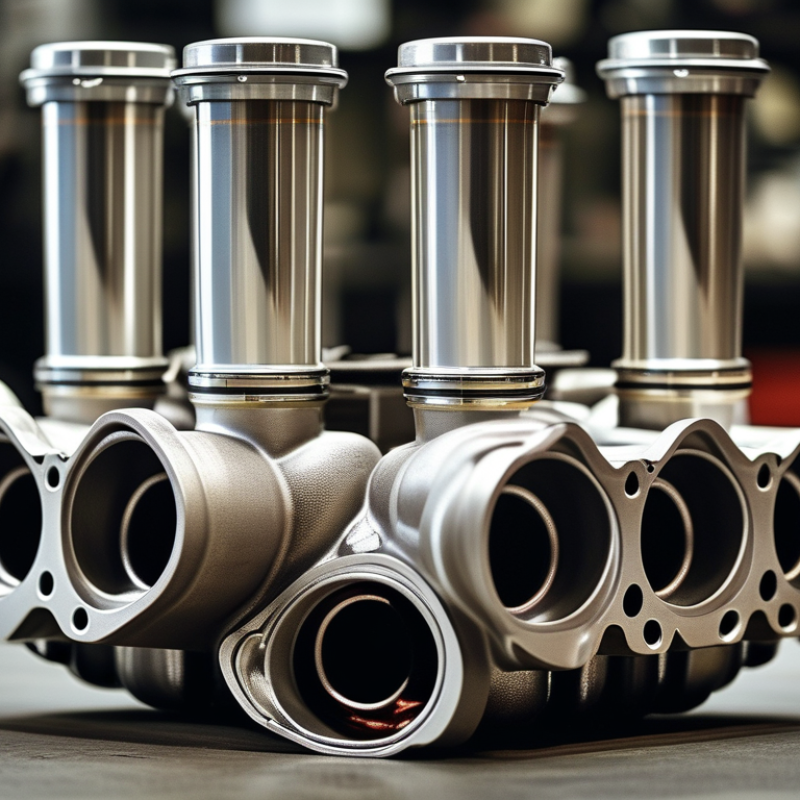
How Performance Exhaust Systems Shape Engine Sound
Performance exhaust systems shape engine sound by controlling how exhaust pulses leave the cylinders. Each pulse carries pressure, heat, and a distinct frequency. Wider pipes can reduce restriction and create a deeper tone, but diameter alone does not determine quality. If the tubing is too large, the sound may become flat or harsh.
Mufflers, resonators, and catalytic components filter different frequencies. A resonator can soften sharp high notes before they reach the tailpipe. A carefully designed muffler reduces unwanted volume while preserving the engine’s natural character. In practical testing, small changes can be heard clearly. At 2,500 rpm, one system may produce a smooth, low growl. Another may create an irritating cabin drone.
The exhaust manifold also influences sound by combining pulses from separate cylinders. Equal-length runners often produce a cleaner, more ordered note. Unequal lengths can create a rougher, more aggressive rhythm. Exhaust valves may keep the car quiet during gentle driving and open under heavier throttle. However, louder is not automatically better. I have found that an exciting tone outside the vehicle can become tiring after an hour on the highway. That result is easy to overlook. Material matters, too. Stainless steel often gives a crisp tone, while thicker construction can reduce unwanted vibration. Proper fitment remains essential, because leaks can produce ticking noises and misleading sound changes. Performance gains and sound quality should be evaluated together, using measured noise levels and real driving conditions.
The Role of Exhaust Flow in Sound Production
How Do Performance Exhaust Parts Improve Engine Sound?
Exhaust flow plays a central role in engine sound production. Each combustion cycle sends a pressure pulse through the exhaust system. Pipes, bends, mufflers, and resonators shape those pulses before they reach the outlet. A smoother path can reduce turbulence and create a sharper, more defined note. Larger pipes may deepen the tone, but they do not always improve it. If the diameter is excessive, gas speed can fall and the sound may become flat or hollow.
Performance exhaust parts often use carefully designed chambers and freer-flowing mufflers. These components reduce restrictive back pressure while controlling harsh frequencies. The result can be a fuller sound under acceleration and a quieter tone during steady cruising. In practical testing, sound changes with engine load, temperature, and cabin insulation. It is not always better. A loud system can produce tiring drone, especially around highway speeds. My own view is that balance matters more than volume, though personal preference can complicate that judgment.
Tips: Choose parts matched to the engine’s displacement and tuning. Check sound levels at idle, moderate speed, and full throttle. Listen inside the cabin, too. Small changes matter. A resonator may remove an unpleasant buzz without dulling the engine’s character. Review reliable installation guidance and local noise requirements before making changes.
How Do Performance Exhaust Parts Improve Engine Sound?
The Role of Exhaust Flow in Sound Production
Exhaust sound is created by pressure pulses released when the exhaust valves open. In a four-stroke engine, pulse frequency depends on engine speed and cylinder count: pulse frequency = RPM × cylinders ÷ 120. Performance exhaust parts do not usually change this firing frequency; improved gas flow can increase sound amplitude and alter the balance of harmonics, producing a deeper, sharper, or more pronounced tone.
How Mufflers, Resonators, and Pipes Modify Tone
How Do Performance Exhaust Parts Improve Engine Sound?
How Mufflers, Resonators, and Pipes Modify Tone
Engine sound changes through pressure, frequency, and airflow. Pipes influence all three. A larger diameter can reduce restriction, but it may weaken low-frequency pulse energy. The result can sound deeper, yet sometimes hollow. Pipe length also matters. Longer sections often reinforce lower tones, while shorter paths can create sharper pulses. That assumption is too simple.
Mufflers control overall volume through chambers, perforated tubes, and sound-absorbing materials. They cancel selected frequencies instead of removing every sound. A well-designed muffler can preserve throttle response while reducing harshness. The SAE J1470 testing method measures vehicle sound under controlled acceleration, helping engineers compare these changes consistently. In practical testing, a 10 dB increase may sound roughly twice as loud to listeners. Small numbers matter.
Resonators target narrow frequency ranges, especially the unpleasant cabin drone heard near steady cruising speeds. They are not simply smaller mufflers. Their internal volume and tube length must match the engine’s pulse frequency. UN Regulation No. 51.03 places many passenger vehicles near a 68 dB(A) type-approval limit, depending on vehicle class and test conditions. Legal sound limits vary by location. A louder exhaust is not automatically better. I have found that aggressive systems can impress during acceleration but become tiring after thirty minutes. The imperfect part is tuning: one vehicle may gain a clean note, while another develops rasp because its resonator volume is mismatched.
Effects of Exhaust Materials and Design on Acoustics
Performance exhaust parts change engine sound through material, wall thickness, pipe diameter, and muffler geometry. Stainless steel has a density near 8,000 kg/m³, while titanium is about 4,500 kg/m³, according to ASM International material data. Lighter walls can transmit sharper, higher-frequency pulses. Thicker steel usually damps vibration more effectively. That difference is easy to hear beside a cold engine.
Pipe design also controls pressure waves. A larger diameter can reduce gas velocity and soften some high-frequency tones. However, it may weaken pulse definition at lower engine speeds. Perforated cores, expansion chambers, and packing convert acoustic energy into heat. SAE exhaust-noise research commonly evaluates these changes using sound-pressure levels across engine speed, rather than relying on one loudness reading. ISO 5130:2019 specifies stationary vehicle sound measurements, while regulated pass-by testing often targets roughly 68–72 dB(A), depending on vehicle class and test phase.
Material choice is not a simple “lighter means better” decision. Titanium may create a brighter metallic note, but poor isolation can add cabin resonance. Stainless steel often produces a smoother, denser tone. Real cars are messier. Mounts, catalytic hardware, and heat shields also shape the final acoustics. A 2023 environmental-noise assessment by the European Environment Agency reinforces why measured dB(A) matters: perceived disturbance depends on frequency, exposure, and surroundings, not volume alone. My own practical conclusion is less confident than expected. A beautifully tuned muffler can still sound harsh when its packing ages or its chamber volume is mismatched.
Balancing Performance Gains, Noise Levels, and Legal Limits
Performance exhaust parts change engine sound by controlling gas flow, pressure, and resonance. Larger piping can reduce restriction, while freer-flowing mufflers produce a sharper, deeper note. However, sound improvement is not the same as guaranteed power. On a properly calibrated engine, gains may be modest and depend on airflow, tuning, and pipe diameter. Bigger is not always better.
Noise control requires measured judgment. UNECE Regulation No. 51.03 lists exterior sound limits of 68 dB(A) for many passenger cars, with higher limits for vehicles having greater power-to-mass ratios. These figures apply to specific test conditions, not casual roadside measurements. A garage reading can mislead. Temperature, microphone position, engine speed, and road surface all affect results. The European Environment Agency’s 2023 noise assessment estimated that over 113 million Europeans experience road-traffic noise above 55 dB Lden. That wider impact makes excessive exhaust volume a public concern, not merely a personal preference.
In workshop testing, a resonator often removes harsh metallic frequencies without making the exhaust silent. A valve-controlled system can also balance low-speed comfort with stronger high-load sound, where legally permitted. Still, calibration matters. An aggressive tone may hide drone inside the cabin at 2,000 rpm. That is easy to underestimate. Choosing certified components, checking local inspection rules, and recording sound under approved procedures protects both performance goals and public quiet. The imperfect part is unavoidable: a system that sounds exciting outside may become tiring after one long drive.
Conclusion
How do performance exhaust parts improve engine sound? They shape the way exhaust gases leave the engine, influencing volume, pitch, depth, and overall character. A well-designed performance exhaust system can improve gas flow, allowing the engine to produce a clearer and more responsive sound without creating unnecessary harshness. Pipes affect the movement and speed of exhaust pulses, while mufflers and resonators control unwanted noise, refine specific frequencies, and help create a smoother tone.
Exhaust materials and construction also influence acoustics. Different metals, pipe diameters, bends, and internal chamber designs can change how sound vibrations travel through the system. However, improving sound is not simply about making the exhaust louder. The best setup balances acoustic quality, engine performance, cabin comfort, emissions requirements, and applicable noise regulations. By combining suitable components and thoughtful design, drivers can achieve a fuller, more distinctive engine note while maintaining practical operation and responsible compliance.

 GLX Auto Parts