2026 How to Choose the Best Exhaust X-pipes for Your Car?

Time:2026-03-30 Author:Sophia
0%

When enhancing your car's performance, choosing the right exhaust components is crucial. Exhaust X-pipes play a significant role in exhaust flow and sound quality. These components can help improve engine efficiency and overall power. However, not all X-pipes are created equal.

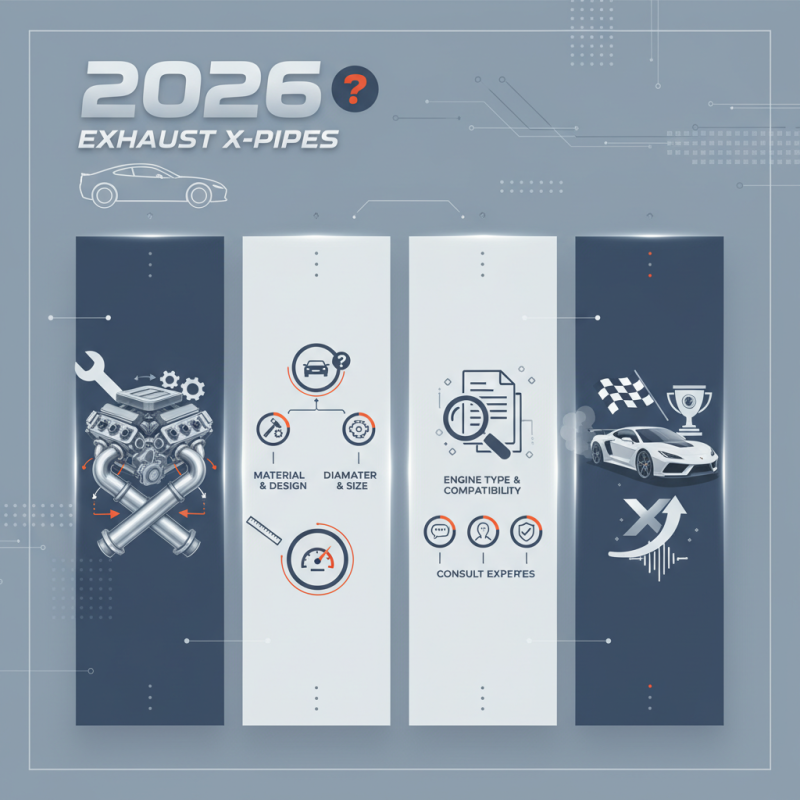
Each car has unique needs that must be considered. For instance, the pairing of your exhaust system with the engine type is vital. Factors such as material, diameter, and design can influence performance. Understanding these aspects can lead to better choices, but it might feel overwhelming.

It's easy to fall for appealing marketing claims. Some X-pipes may not deliver the promised results. Researching thoroughly and consulting experts can guide your decision. Look for reviews and reliable sources to back your choices. Putting in the effort to understand exhaust X-pipes pays off in the long run. Your car deserves the best, and a well-chosen X-pipe can make a significant difference.
2026 How to Choose the Best Exhaust X-pipes for Your Car?

Understanding the Functionality of Exhaust X-pipes in Vehicles

Exhaust X-pipes play a crucial role in enhancing your vehicle's performance. They help to balance the exhaust flow between the left and right banks of the engine. This balance improves the overall efficiency of your engine and can lead to a noticeable increase in horsepower. An X-pipe allows for smoother exhaust flow, reducing back pressure and enhancing sound quality, often giving your vehicle a more aggressive tone.

When choosing an X-pipe, consider materials like stainless steel for durability. Look for a design that fits your vehicle's model correctly. Most importantly, understand that the optimal X-pipe will reflect your driving needs. Some may prioritize a louder exhaust note. Others may favor a quieter ride.

Tips: Ensure proper installation for peak performance. A professional installation can prevent leaks and alignments issues. Regular maintenance can also prolong your X-pipe's life. Observe any changes in sound or performance; these may indicate a need for inspection. Don't overlook the exhaust's impact on overall vehicle dynamics. Thus, selecting the right X-pipe is essential in maximizing your car’s potential.

2026 How to Choose the Best Exhaust X-pipes for Your Car? - Understanding the Functionality of Exhaust X-pipes in Vehicles

Feature Description Benefits Best For
Material Commonly made from stainless steel or aluminized steel Durability and corrosion resistance Performance vehicles and daily drivers
Design X-pipe configuration allows for smoother exhaust flow Improved horsepower and torque Racers and enthusiasts
Installation Can be a straightforward bolt-on for some vehicles Minimal modification needed DIY enthusiasts and hobbyists
Sound Produces a deeper, more aggressive exhaust note Enhanced driving experience Car enthusiasts looking for sound improvement
Compatibility Varies by make and model of the vehicle Targeted performance for specific vehicles Custom builds and high-performance vehicles

Comparative Analysis of Different Exhaust X-pipe Materials

When selecting exhaust X-pipes, material choice is crucial. Stainless steel, mild steel, and aluminized steel are the main options. Stainless steel is highly resistant to rust and corrosion, making it a popular choice. Its durability helps ensure longevity, especially in harsh conditions. However, it can be pricier, which may not suit every budget.

Mild steel is another option. It is less expensive than stainless steel but comes with a trade-off. It requires a protective coating to resist rust, which can add to maintenance tasks. For some, this extra work may not be worth the cost savings. Aluminized steel combines mild steel's affordability with a protective aluminum coating. It offers decent corrosion resistance, but it can only hold up to moderate levels of heat.

Each material has its pros and cons. Factors like budget, climate, and intended use are important. It's vital to weigh these aspects carefully. Testing different setups can reveal insights into performance. Keep in mind that personal experience also plays a role in making the best choice. Your driving style and environment can influence overall satisfaction with your X-pipe.

Key Factors to Consider When Choosing Exhaust X-pipes

When selecting exhaust X-pipes, it’s essential to consider several key factors. Material quality plays a crucial role. Stainless steel is a preferred choice due to its durability and resistance to corrosion. Research from the Automotive Engineering Society indicates that stainless steel X-pipes can last up to 5 years longer than those made from mild steel.

The pipe diameter is another important factor. The right size can significantly impact your car’s performance. For performance enhancement, a diameter of 2.5 inches to 3 inches is common. A report by the Performance Racing Industry notes that incorrectly sized pipes can reduce exhaust flow by up to 30%. This loss in flow can hinder engine efficiency and power output.

Additionally, installation ease should not be overlooked. Some X-pipes require more complex modifications, while others fit seamlessly. Research suggests simpler installations often save time and labor, averaging around 3-5 hours of work. Always assess your vehicle’s compatibility before making a choice. Each vehicle has unique characteristics that can impact how an X-pipe performs. Reflect on how your choice aligns with your performance goals and the overall driving experience you desire.

2026 How to Choose the Best Exhaust X-pipes for Your Car?

Compatibility: Ensuring X-pipes Fit Your Specific Car Model

Choosing the right X-pipe for your vehicle involves understanding compatibility. Each car model has unique exhaust configurations. According to industry reports, using incompatible X-pipes can lead to performance issues. Many enthusiasts overlook this aspect. They might focus solely on aesthetics or sound. However, improper fit can result in leaks, which compromises both efficiency and durability.

It's vital to consult vehicle-specific data when selecting an X-pipe. Detailed specifications for your make and model should be readily available. A reliable source is the manufacturer's service manual. Also, online databases provide compatibility charts for various aftermarket parts. Thorough research ensures that the X-pipe integrates seamlessly with the existing system.

There are numerous options in the market. Yet, not all are engineered for your specific model. Some may require modifications to install correctly. This could lead to unforeseen challenges, especially for DIY enthusiasts. Take time to evaluate your choices. A wrong decision can affect sound quality and engine performance. Consider the long-term effects of your choice before finalizing the purchase.

Installation Options: DIY vs. Professional Installation for X-pipes

When considering whether to install an X-pipe yourself or seek professional help, weigh your options carefully. DIY installations can save money and provide a sense of achievement. However, thorough research is essential. A report from the Automotive Aftermarket Industry Association (AAIA) indicates that more than 30% of DIY projects result in rework due to mistakes. This can lead to unexpected costs and delays.

On the other hand, professional installation ensures quality and reliability. Certified mechanics bring years of experience to the table. According to a study by the National Institute for Automotive Service Excellence (ASE), professionally installed exhaust systems have up to a 40% lower failure rate compared to DIY installations. This highlights the importance of expertise in achieving optimal performance from an X-pipe.

Consider your own mechanical skills honestly. If you’re comfortable with tools and have a basic understanding of automotive systems, a DIY installation might be feasible. But don’t underestimate the complexity involved. Key factors include the alignment and sealing of the X-pipe to prevent leaks. In some cases, choosing a professional might save time and ensure the job is done right the first time.

FAQS

: What are the main materials used for exhaust X-pipes?

: Stainless steel, mild steel, and aluminized steel are the primary materials available.

What are the benefits of using stainless steel for X-pipes?

Stainless steel is highly resistant to rust and lasts long in harsh conditions.

Is mild steel a good choice for X-pipes?

Mild steel is cheaper but needs a protective coating to resist rust. Maintenance can be burdensome.

How does aluminized steel compare to other materials?

Aluminized steel offers affordability and decent corrosion resistance but has limited heat tolerance.

Should I install an X-pipe myself or hire a professional?

Consider your skills. DIY can save money but may lead to mistakes and extra costs.

What are the risks of DIY installations?

Over 30% of DIY projects are redone due to mistakes, leading to delays and costs.

What advantages does professional installation offer?

Professional installers provide quality work, reducing the risk of failure by up to 40%.

How can my driving style affect X-pipe choice?

Your driving habits and environment significantly influence how satisfied you'll be with your X-pipe.

Is it important to weigh options for X-pipe materials carefully?

Yes, factors like budget, climate, and intended use should be considered thoughtfully.

What key factors affect DIY installation success?

Proper alignment and sealing of the X-pipe are crucial to prevent leaks during installation.

Conclusion

When considering the best exhaust X-pipes for your vehicle, it is crucial to understand their functionality, which enhances exhaust flow and performance. Different materials such as stainless steel, aluminized steel, and others offer varying levels of durability and performance, making material choice an important aspect in your selection process.

Key factors to consider include the compatibility of the X-pipes with your specific car model, ensuring a proper fit. Additionally, potential buyers should evaluate their installation options, weighing the benefits of DIY versus professional installation. By taking these aspects into account, you can make an informed decision and select the right exhaust X-pipes to optimize your vehicle's performance.

Sophia

Sophia

Sophia is a dedicated marketing professional with an exceptional depth of knowledge about her company's products and services. With a keen understanding of market trends and customer needs, she crafts insightful blog posts that not only inform but also engage readers, enriching the company’s online......