When considering vehicle performance, mufflers play a crucial role. Understanding how to install exhaust mufflers and tips correctly can enhance both sound and efficiency. Choosing the right muffler may be challenging. Many options exist, and each caters to different needs.
The installation process requires careful attention. Proper tools and techniques ensure optimal performance. It's not uncommon to make mistakes, such as choosing incompatible components. Reflecting on these decisions is essential for improvement. Even experienced mechanics can overlook details.
In this guide, we'll explore the steps needed for installation. Tips for achieving the best results will be included. By following this advice, you can maximize your vehicle's potential. The journey can be rewarding, yet filled with learning opportunities.
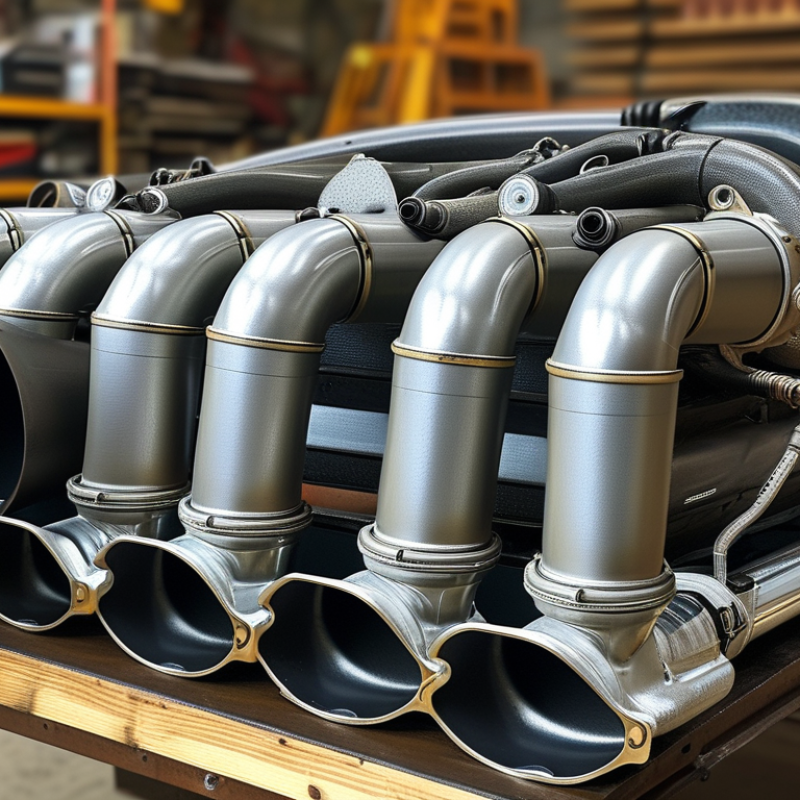
When it comes to exhaust mufflers, choosing the right type can significantly affect your vehicle's performance. There are three primary types: chambered, straight-through, and turbo. Chambered mufflers are designed for a deep sound and improved horsepower due to their segmented internal structure. According to the Society of Automotive Engineers, chambered designs can enhance performance by up to 10%.
Straight-through mufflers offer minimal constriction, allowing for maximum exhaust flow. This design is popular among performance enthusiasts who seek increased horsepower and torque. The downside is that they can be noisier, which might not be suitable for all drivers. A study from the American Automobile Association emphasizes that noise regulations should be taken into account when choosing these options.
Turbo mufflers strike a balance between sound and performance. They utilize internal baffles to reduce noise while maintaining decent airflow. This can make them more suitable for daily drivers seeking a subtle sound without sacrificing efficiency. However, some drivers report they don't always provide the raw performance boost desired. Each type of muffler varies in terms of sound, performance, and legality depending on local regulations, highlighting the importance of informed choices.
When installing exhaust mufflers, having the right tools is crucial for achieving optimal performance. Essential tools include a socket wrench set, which is vital for securing bolts. A pipe cutter or saw is necessary for removing old mufflers and fitting the new ones accurately. A torque wrench helps to ensure that bolts are tightened to the manufacturer's specifications. Proper torque is essential to prevent any leaks, which can lead to reduced efficiency.
In addition to standard tools, using a muffler hanger tool can simplify the installation process. This tool helps in positioning hangers correctly. According to a report by the Automotive Aftermarket Industry Association (AAIA), improper installation can lead to noise issues and reduced exhaust system efficiency. A dedicated flare tool can also be beneficial for creating smooth connections. This attention to detail matters because even small gaps can negatively impact performance metrics.
It's important to note that many DIY enthusiasts overlook the need for specialized tools. This can lead to frustration and subpar results. While many may choose to cut corners, investing in the right equipment pays off. Studies suggest that using the correct tools enhances installation time and minimizes errors. Understanding the significance of each tool will lead to a more efficient process and ultimately better vehicle performance.
When removing an old muffler, ensure the engine is cool and safe to work. Elevate the car using jack stands, not just a jack. Inspect the exhaust system for rust or damage while you work. Many professionals suggest using penetrating oil on rusty bolts. About 70% of muffler replacements reveal underlying issues like corrosion.
Loosen the clamps and connections carefully. You might need a wrench or impact tool. If the muffler is stubborn, cutting through it may be necessary. In 2022, vehicle owners reported an average replacement cost of $500, which emphasizes the need for proper removal techniques to avoid costly mistakes. Damaged hangers can lead to exhaust leaks, so check them thoroughly.
Tips for optimal performance include tightening all connections properly and using high-quality gaskets. Adjusting tailpipe position can also enhance exhaust flow. Routine checks can catch issues early. A clean exhaust system improves engine efficiency, potentially increasing fuel economy by 1-2%. Remember, improper installation can lead to noise pollution. Take your time and ensure each step is done correctly for the best results.
Installing a new exhaust muffler can enhance your vehicle's performance and sound, but it requires careful attention. Start by selecting the right muffler for your car's make and model. Ensure you have all necessary tools on hand, such as wrenches, clamps, and a saw. Keep in mind that some vehicles may require a custom fit.
When you're ready to install, lift the vehicle securely. Remove the old exhaust system by cutting it free from the hangers carefully. Inspect the exhaust pipes for rust or damage while you’re at it. A good fit is critical; misalignment can affect performance. Slide the new muffler onto the pipes and secure it with clamps. Make sure everything is tight, but be cautious not to overtighten, which can cause cracks.
Testing after installation is key. Start the engine and listen for any abnormal sounds. If something seems off, revisit your installation. It’s easy to overlook components like hangers or gaskets. Double-check these areas to ensure a snug fit. Optimizing the muffler's performance often takes time and adjustments. Keep track of any issues you encounter; they provide valuable learning for future installations.
This chart depicts the performance ratings of various exhaust muffler types based on user feedback. Each type has its own characteristics affecting vehicle noise and efficiency.
Mufflers play a crucial role in vehicle performance and noise control. To maintain mufflers for long-lasting use, regular inspections are essential. According to the Society of Automotive Engineers, nearly 40% of exhaust system failures are due to corrosion. Keeping an eye out for rust and holes can save on costly repairs.
Cleaning the muffler regularly can enhance its lifespan. A simple rinse with water and mild detergent can remove grime. Moreover, consider checking the entire exhaust system for leaks. A leak can reduce engine efficiency by up to 30%. Ensure all clamps and hangers are tight; loose parts can lead to rattling and further damage.
Using a rust inhibitor can also be beneficial. Applying a suitable spray will form a protective layer against moisture. Even though the standard lifespan of a muffler ranges from 5 to 7 years, proper care is vital. Investing time in maintenance can yield significant returns, both financially and in performance. Remember, neglecting muffler health can lead to engine complications and reduce your vehicle’s efficiency.
: Essential tools include a socket wrench, pipe cutter, torque wrench, and muffler hanger tool.
Proper torque prevents leaks and boosts efficiency. Follow manufacturer's specifications closely.
Ensure the engine is cool and safe. Use jack stands, not just a jack.
About 70% of replacements show underlying rust issues, which can complicate removal.
Regular inspections for rust, cleaning, and tightening loose parts help maintain performance.
Leaks can reduce engine efficiency by up to 30%. This impacts fuel economy and performance.
Yes, using the right tools can enhance installation speed and accuracy. Avoid cutting corners.
Inspect the system for holes and listen for unusual noises during vehicle operation.
Use a rust inhibitor spray to create a moisture-resistant layer on the muffler.
Routine checks can catch issues early. Regular maintenance is key for long-lasting performance.
In the article titled "How to Install Exhaust Mufflers and Tips for Optimal Performance," readers are guided through the essential aspects of exhaust muffler installation. It begins with an overview of the various types of exhaust mufflers and their performance differences, helping users understand which option best suits their needs. The article then outlines the essential tools required for a successful installation, ensuring that readers are adequately prepared.
A detailed step-by-step guide follows, detailing how to remove the old muffler and properly install a new one. Importantly, the article emphasizes "how to install exhaust mufflers and tips correctly" to achieve optimal vehicle performance. Finally, it provides maintenance tips to ensure that the mufflers remain in good condition for lasting effectiveness. This comprehensive approach equips readers with the knowledge necessary for effective muffler installation and upkeep.

GLX Auto Parts