When considering what affects the durability of exhaust system parts, insights from experts are invaluable. John Smith, a leading automotive engineer, states, “The environment and materials used play a critical role in exhaust system longevity.” His expertise highlights how crucial these factors are for vehicle owners.
In modern vehicles, the exhaust system faces unique challenges. Extreme temperatures, road conditions, and high mileage wear down components. High-quality materials can resist corrosion and heat. Conversely, low-quality parts often fail prematurely, costing owners more in the long run.
Drivers should be aware of their environment when maintaining exhaust systems. Frequent exposure to road salt or harsh weather will accelerate deterioration. Regular inspections and timely replacements can significantly extend the life of these parts. Understanding what affects the durability of exhaust system parts is essential for making informed decisions. Balancing costs with quality is crucial; sometimes, an upfront savings can lead to greater issues later on.
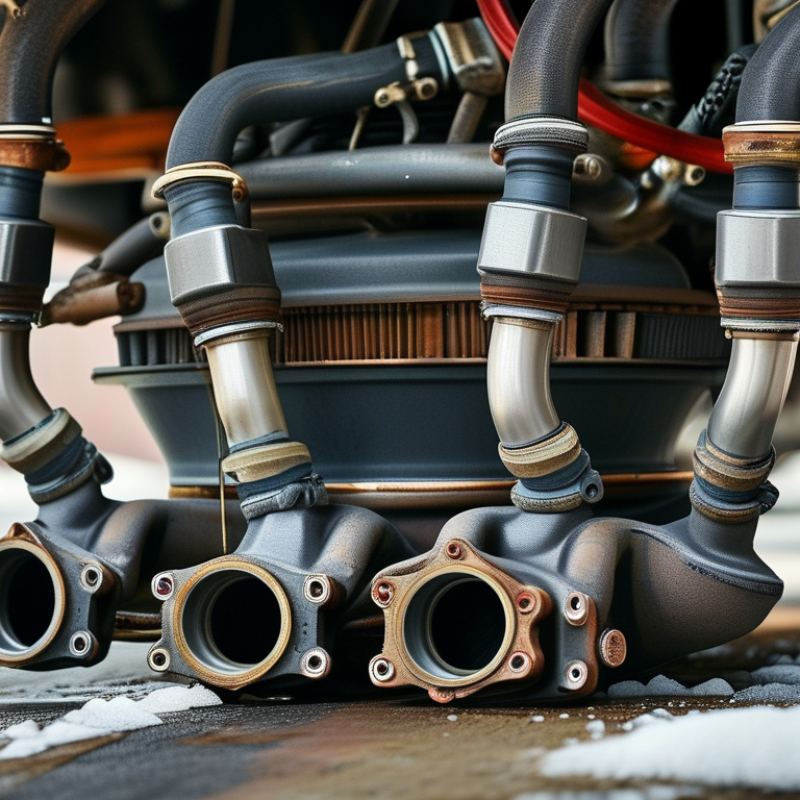
Durability of exhaust system parts hinges on material selection. Stainless steel is a common choice for its resistance to corrosion. However, over time, it can still show wear. Consider using alloys that can withstand higher temperatures and avoid premature degradation. This enhances your system's lifespan and reduces the need for replacement.
When choosing materials, think about the environment they will face. High humidity and road salt can affect durability. Exhaust systems in coastal areas may corrode faster. Utilizing protective coatings can be beneficial. Regular inspections are crucial for identifying potential issues early.
Incorporating sound design principles is also vital. A poorly designed exhaust can lead to vibrations, causing fatigue in the materials. Ensure proper alignment during installation. Overlooked details can drastically impact the system's performance. Every choice matters, and even small adjustments can lead to better longevity.
Temperature variation significantly impacts the durability of exhaust system parts. High temperatures can lead to thermal fatigue, causing metal components to weaken over time. According to a report from the Society of Automotive Engineers, thermal cycling can reduce the lifespan of exhaust systems by up to 30%. This underscores the importance of managing heat effectively, especially in high-performance vehicles where exhaust temperatures can soar.
Conversely, extreme cold can also present challenges. Low temperatures can cause materials to contract, creating stress points. These stress points may lead to cracks and other failures. Studies indicate that fluctuations between hot and cold can create a cycle of damage, leading to costly repairs. Inconsistent thermal stresses may not be immediately visible, making them harder to monitor.
Regular maintenance is crucial for navigating these challenges. Checking for signs of wear and ensuring proper installation can mitigate issues borne from temperature extremes. Unfortunately, many vehicle owners neglect these routine checks, leading to unexpected breakdowns. Considering how temperature affects exhaust system longevity is vital for those wishing to extend the life of their vehicle's components. Awareness and proactive measures can make a substantial difference.
Regular maintenance is crucial for extending the life of your exhaust system parts. Over time, exposure to heat and chemicals can cause wear and tear. Regular inspections can help identify issues before they become major problems. You might notice that some bolts appear rusty or that the pipes are beginning to corrode. It’s essential to replace these minor parts to avoid more significant repairs later.
Checking the brackets and hangers is another important step. These components can weaken over time, leading to excessive vibrations. Excessive movement can wear down the exhaust parts. Ensuring everything is secure helps maintain system integrity. Cleaning the underside of your vehicle also plays a vital role. Dirt and grime can trap moisture and accelerate corrosion.
Don’t forget about the exhaust hangers. If they break, it could lead to more damage. In many cases, people overlook this simple aspect. Addressing maintenance at this level may seem minor, but it can prevent larger expenses in the future. Regular maintenance isn’t just about fixing problems; it’s about being proactive.
When it comes to the durability of exhaust system parts, driving conditions play a significant role. According to industry reports, vehicles driven mostly in urban areas may experience a 30% shorter lifespan for exhaust components compared to those driven on highways. This is largely due to stop-and-go traffic, which increases exhaust heat cycles and accelerates wear.
Harsh weather conditions also contribute to the deterioration of exhaust systems. Corrosive elements from road salt in winter can cause rust and structural damage. Regular inspection of the exhaust system can reduce potential failures. Consider checking components during seasonal maintenance to ensure longevity.
Maintaining a steady driving speed can enhance the lifespan of exhaust parts. Smooth acceleration and deceleration prevent excessive stress on the system. Although these habits seem simple, many drivers overlook them. Monitoring driving habits will help identify patterns that may negatively impact exhaust durability. Each of these small adjustments can lead to more reliable performance and extended component life.
| Driving Condition | Impact on Exhaust System | Lifespan Affected (Years) | Maintenance Tips |
|---|---|---|---|
| Urban Driving | High stop-and-go traffic increases wear. | 3-5 | Regular inspections every 6 months. |
| Highway Driving | Consistent speeds reduce strain. | 5-8 | Keep exhaust system clean and free of obstructions. |
| Off-Road Driving | Increased exposure to debris and rough terrain. | 2-4 | Inspect for damage after trips. |
| Cold Weather | Salt and moisture can accelerate corrosion. | 3-6 | Wash underside regularly to remove salt. |
| Hot Weather | Heat can weaken exhaust components. | 4-7 | Monitor temperatures; avoid overheating. |
| Heavy Load | More stress on exhaust during heavy hauling. | 2-5 | Limit load and perform regular checks. |
| Frequent Short Trips | Increases condensation and carbon buildup. | 2-4 | Take longer trips occasionally to clear out. |
| Fuel Quality | Poor fuel can lead to inefficient combustion. | 3-6 | Use high-quality fuel and additives. |
| Regular Maintenance | Timely repairs prevent major issues. | Varies | Follow manufacturer maintenance schedule. |
| Driving Style | Aggressive driving can cause rapid wear. | 2-5 | Adopt smoother driving habits. |
Corrosion resistance is crucial for the durability of exhaust systems. Factors like moisture, heat, and road salts can wear down exhaust components. High-quality materials, such as stainless steel, can offer better protection. However, even high-grade metals can succumb to corrosion if not properly maintained.
Regular inspections are vital. Look for rust spots or discoloration, which can be early signs of corrosion. Keeping the exhaust system clean can help prevent these issues. Simple actions like washing the undercarriage in winter can extend the life of the system. It's easy to overlook these details, but neglecting them can lead to costly repairs.
Proper installation also plays a significant role. Misaligned pipes or insufficient sealing can create stress points. Over time, these stress points can accelerate corrosion. Mechanics often emphasize the importance of correct installation. It's a matter of attention to detail that many overlook, yet it can significantly impact durability.
: Material selection is critical. Stainless steel is common, but it can wear over time.
High humidity and road salt can accelerate corrosion. Coastal areas see faster degradation.
Inspections help identify issues early. They may prevent costly repairs down the line.
High temperatures can cause thermal fatigue. Cold can create stress points, leading to cracks.
A poorly designed exhaust can cause vibrations. This can lead to material fatigue over time.
Check for rust on bolts and corroded pipes. Secure brackets and hangers to avoid inefficiency.
They can trap moisture, accelerating corrosion. Keeping the underside clean is vital for longevity.
Broken exhaust hangers are often ignored. They can lead to more extensive damage if not fixed.
Proactive maintenance can prevent major issues. It's about fixing problems before they escalate.
Even minor changes like proper alignment matter. They can lead to significant enhancements in longevity.
The durability of exhaust system parts is influenced by several key factors that automotive enthusiasts and professionals should consider. Firstly, material selection plays a crucial role, as different materials offer varying levels of resistance to heat and corrosion, which directly impacts the longevity of these components. Furthermore, temperature variations can significantly affect exhaust system longevity; extreme heat can lead to faster deterioration of parts if not appropriately managed.
Regular maintenance is another vital aspect that affects the durability of exhaust system parts, as timely inspections can prevent minor issues from escalating into major problems. Additionally, the driving conditions, such as frequent short trips or exposure to harsh environments, can also shorten the lifespan of exhaust components. Lastly, corrosion resistance is essential for enhanced durability, ensuring that the exhaust system can withstand challenging conditions over time. Understanding these factors can help in making informed decisions that ultimately extend the life of exhaust system parts.

GLX Auto Parts