Selecting exhaust parts for diesel vehicles is critical for performance and efficiency. Understanding how to select exhaust parts for diesel vehicles can be daunting. The market is flooded with options, each claiming superior performance. Yet, research indicates that improper selections can lead to reduced fuel economy and increased emissions.
A report by the Diesel Technology Forum shows that diesel engines, when properly maintained, can achieve up to 25% better fuel efficiency than their gasoline counterparts. However, this efficiency hinges on the proper selection of exhaust components. Factors such as material quality, compatibility, and emissions regulations play a vital role in maximizing engine performance.
It's essential to navigate the landscape of exhaust parts carefully. For instance, stainless steel systems provide longevity but may not always offer the best fit. Meanwhile, lower-cost options might lead to premature failures. Weighing these choices carefully can make a substantial difference in both performance and compliance with emission standards. Understanding these nuances is the key to optimizing your diesel vehicle's exhaust system.
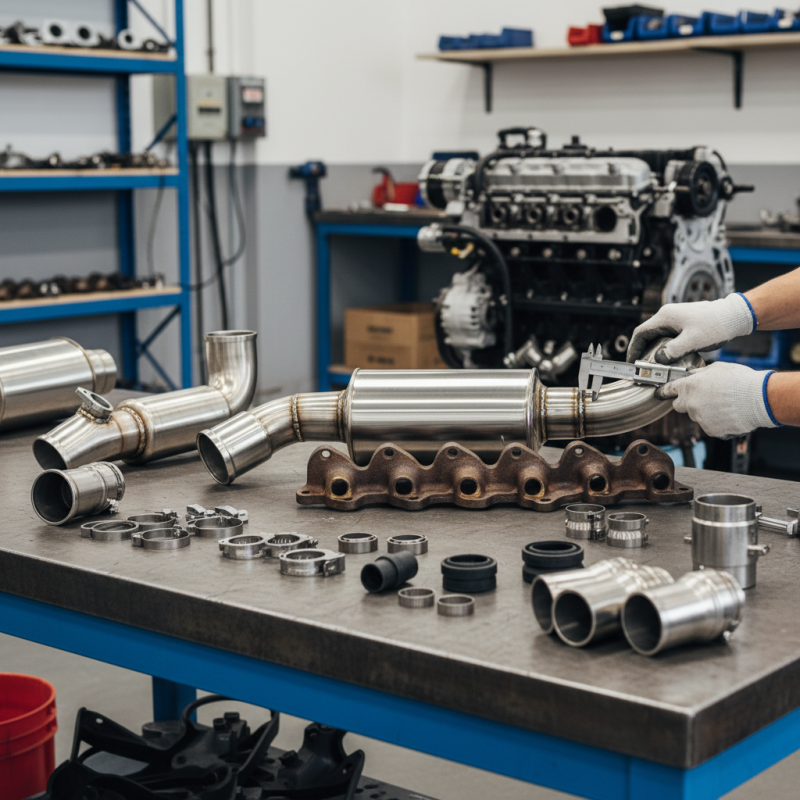
When it comes to diesel vehicles, the quality of exhaust parts cannot be overlooked. These components influence vehicle performance significantly. Poor-quality parts can lead to reduced efficiency and increased emissions. Diesel engines operate under high-stress conditions, making durability essential. Substandard materials cannot withstand such demands, which may result in premature failure.
Ensure that exhaust parts are tested and meet specific standards. High-quality components will generally feature better fabrication techniques. Check for certifications and industry standards to gauge reliability. Proper fitment is crucial. Mismatched parts can hinder exhaust flow, causing engine strain. Take the time to research and verify the specifications needed for your vehicle.
Even with careful selection, mistakes can happen. Sometimes, even reputable brands produce flawed parts. Regularly inspect your vehicle's exhaust system for signs of wear. Look for cracks, rust, or unusual noises. Addressing these issues promptly can prevent larger problems down the road. Remember, investing in quality exhaust parts pays off in the long run.
When selecting exhaust parts for diesel vehicles, consider several crucial factors to ensure reliability and performance. One major aspect is the material used in the exhaust components. Stainless steel is preferred for its durability and resistance to corrosion. This choice extends the lifespan of the parts, especially in harsh conditions, where rust is a common issue. Always inspect the quality of welding and fittings, as poor craftsmanship can lead to leaks.
Another important factor is compatibility with your diesel engine. Different models may have specific requirements. Mismatched components can affect engine performance and fuel efficiency. Pay attention to the design and flow characteristics of the exhaust system. A well-engineered system improves exhaust flow and enhances power output. Check the manufacturer's specifications for your vehicle.
Don't overlook the importance of emissions regulations. Choose parts that comply with local laws to avoid fines and complications. Sometimes, aftermarket solutions may look appealing but can lead to legal issues if they don’t meet standards. Be mindful of noise levels as well. A louder exhaust may seem attractive but could cause discomfort in day-to-day use. Overall, understanding these factors can lead to better choices in maintaining your diesel vehicle.
When selecting exhaust parts for diesel engines, understanding their types and functions is vital. The common exhaust components include manifolds, catalytic converters, and mufflers. Each part plays a specific role in the vehicle's performance. For instance, exhaust manifolds direct exhaust gases from cylinders to the exhaust system. They help in maintaining the engine's efficiency. A well-designed manifold can significantly improve power output.
Catalytic converters reduce harmful emissions. They convert toxic gases into less harmful substances. This process is essential for complying with environmental regulations. Failing to choose the right catalytic converter can lead to increased emissions and potential fines. Mufflers, on the other hand, control noise levels. They ensure the engine runs smoothly while minimizing sound. High-performance mufflers can enhance the vehicle's sound and performance.
Selecting these parts requires careful consideration of fit and compatibility with your diesel engine. Not all parts will suit every model or make. Researching specifications and consulting experts can prevent costly mistakes. Take time to evaluate options. The best choice often comes from combining quality with the appropriate design for your engine's needs. Your focus should be on performance enhancements while considering durability and efficiency.
When selecting exhaust parts for diesel vehicles, compatibility with your vehicle’s specifications is crucial. Diesel engines can vary significantly, so ensuring the right fit is essential. Always check the part numbers against your vehicle specifications. This helps avoid unnecessary returns and costs.
Know your engine type. Diesel engines come in various configurations, including turbocharged versions. Search for parts specific to your engine variant to ensure proper installation and performance. Consider material quality as well. Stainless steel offers durability, while aluminized steel can provide a more economical option but may not last as long.
Examine dimensions closely. Incorrect size can lead to leaks or poor performance. Measure connection points and pipe diameters accurately. Failure to do so might result in frustrating issues. Trustworthy sources can provide help, but verify the information independently. Keep your vehicle’s specifications at hand. It saves time and helps in making informed decisions.
| Tip Number | Tip Description | Importance |
|---|---|---|
| 1 | Check for OEM compatibility | High |
| 2 | Review exhaust flow rates | Medium |
| 3 | Consider the type of diesel engine | High |
| 4 | Evaluate noise levels | Medium |
| 5 | Check for emissions regulations compliance | High |
| 6 | Examine material quality | High |
| 7 | Inspect warranty and return policies | Medium |
| 8 | Consider installation requirements | Medium |
| 9 | Assess brand reputation and reviews | High |
| 10 | Understand pricing and budget | Medium |
When sourcing reliable vendors for diesel exhaust parts, it's essential to consider several factors. Experience matters. Look for vendors with years of expertise in the diesel sector. They should understand your specific needs and provide tailored solutions. A knowledgeable vendor can guide you through complex exhaust system requirements.
Certifications can indicate a vendor's reliability. Check if they comply with industry standards. Quality control measures are critical. Vendors should provide information about their sourcing and manufacturing processes. Transparency builds trust and ensures you're getting durable parts. Client testimonials and reviews can also offer insights into a vendor's reputation.
Don’t overlook communication. A responsive vendor is more likely to address issues promptly. Evaluate their customer service experience. Are they approachable? Do they provide clear answers? It’s crucial to establish a solid relationship. A good vendor partnership can enhance your vehicle's performance and durability. Remember, it's not just about parts; it's about support.
: Quality exhaust parts significantly influence vehicle performance and efficiency.
Poor-quality parts can lead to reduced efficiency and increased emissions.
Check for certifications and industry standards to gauge reliability and quality.
Mismatched parts can hinder exhaust flow, causing unnecessary engine strain.
Look for cracks, rust, or unusual noises in the exhaust system.
Experience in the diesel sector and understanding your specific needs are essential.
A responsive vendor can promptly address issues and provide essential support.
Yes, testimonials and reviews offer insights into a vendor's reputation and reliability.
Quality control and transparency in sourcing and manufacturing uphold durability.
Address the issue promptly, even if the vendor is reputable, for better long-term results.
When considering how to select exhaust parts for diesel vehicles, it's crucial to understand the importance of high-quality components. Quality exhaust parts play a vital role in performance, efficiency, and emissions control of diesel engines. Several factors should be considered when choosing these components, including material durability, design compatibility, and adherence to regulations.
Additionally, it's essential to familiarize yourself with the different types of exhaust parts and their specific functions within diesel engines. Evaluating compatibility with your vehicle’s specifications is fundamental to ensure optimal performance. Finally, sourcing reliable vendors is key to acquiring quality parts, as this affects both the longevity and reliability of your diesel vehicle’s exhaust system. By following these guidelines, you can make informed decisions when selecting exhaust components for your diesel vehicle.

GLX Auto Parts