When considering automotive performance, choosing the right components is vital. One of the key areas often overlooked is exhaust systems. The question frequently arises: "What materials are best for exhaust pipes and mufflers?" According to automotive expert Dr. Emily Carter, "The longevity and efficiency of an exhaust system depend heavily on the materials used."
Exhaust pipes and mufflers serve crucial roles. They help in directing exhaust gases away from the engine. They also reduce noise, improving the driving experience. However, not all materials are equal. Stainless steel, aluminized steel, mild steel, titanium, and carbon fiber each offer unique benefits and drawbacks.
The right choice often depends on a balance of cost, weight, and durability. For instance, stainless steel is known for its resistance to rust but can be pricier. In contrast, aluminized steel is cost-effective yet may not last as long. It’s important to reflect on what you prioritize in performance. Selecting the right material is not just about knowledge; it's also about trial and error. Understanding these materials can lead to better decisions, ensuring that your vehicle performs optimally over time.
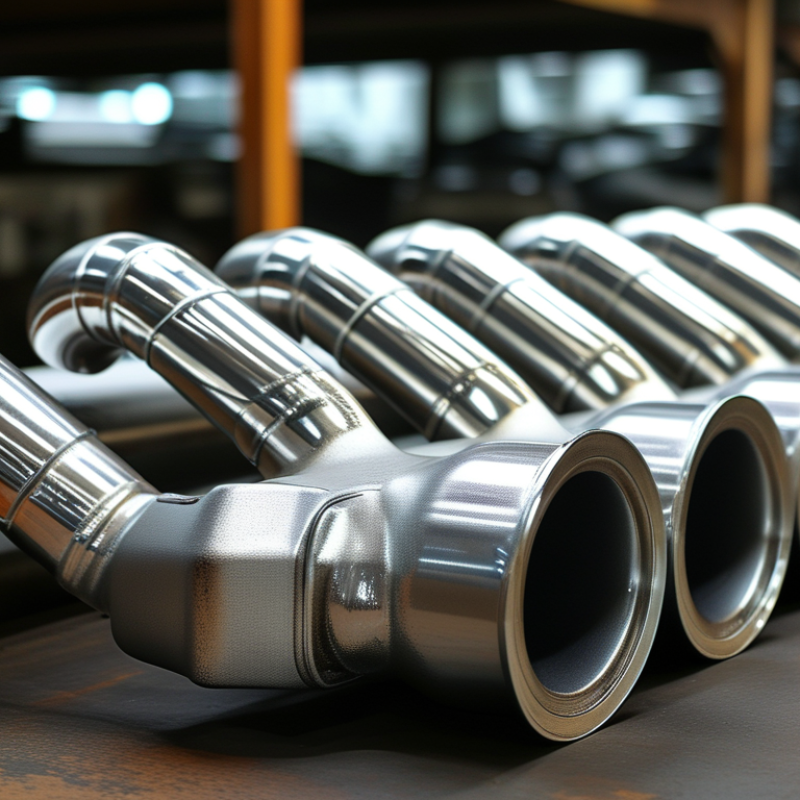
Overview of Exhaust Pipe and Muffler Functionality
Exhaust pipes and mufflers play a crucial role in vehicle performance. They help channel exhaust gases away from the engine. This process reduces engine back pressure and improves efficiency. By directing these gases safely, they prevent harmful emissions from entering the cabin. This functionality is essential for both safety and environmental reasons.
Mufflers specifically focus on sound reduction. They help manage noise levels produced by the engine. Different muffler designs can create various sound profiles, appealing to diverse driver preferences. Meanwhile, the choice of materials influences durability and performance. Stainless steel, for example, resists corrosion, while mild steel is more cost-effective but may require more frequent replacement.
Choosing the right materials can seem overwhelming. Not all materials are created equal, and personal driving needs vary. Performance expectations can differ greatly, affecting material choice. For instance, a high-performance vehicle might benefit from lightweight materials that enhance speed. Balancing cost with durability, however, is not always straightforward. It's essential to evaluate individual circumstances when considering materials for exhaust systems.
Top 5 Materials for Exhaust Pipes and Mufflers
This chart illustrates the durability ratings of the top five materials used in exhaust pipes and mufflers. Stainless steel and titanium offer the highest durability, making them preferred choices for performance exhaust systems.
Key Properties of Exhaust Pipe and Muffler Materials
When discussing exhaust pipe and muffler materials, understanding their key properties is crucial. Stainless steel is often favored for its durability and corrosion resistance. Studies indicate that stainless steel can withstand high temperatures and harsh environments, making it ideal for long-term use in exhaust systems. In fact, it can last up to three times longer than mild steel under similar conditions.
Aluminized steel is another common material. It provides a cost-effective solution while offering decent corrosion resistance. However, the trade-off is a shorter lifespan. Reports suggest that parts made from aluminized steel may need replacement every five years, depending on usage. It's important to weigh the benefits against potential long-term costs when choosing materials.
Further, titanium is gaining traction in high-performance applications. It’s lightweight yet incredibly strong, which enhances engine performance. Nevertheless, the high cost of titanium might not justify its use for all vehicles. Industry insights emphasize that while lightweight materials can improve mileage, they may also complicate installations due to their unique properties. These factors underscore the complexity in selecting the right material for exhaust systems.
Comparison of Stainless Steel, Aluminized Steel, and Mild Steel
When choosing materials for exhaust pipes and mufflers, three options stand out: stainless steel, aluminized steel, and mild steel. Each material has unique features that affect durability, cost, and performance.
Stainless steel is known for its resistance to corrosion and high heat. A study by the International Journal of Automotive Engineering notes that stainless steel exhaust systems can last up to twice as long as those made from mild steel. However, they come at a higher price point, which can be a consideration for budget-conscious consumers.
Aluminized steel balances affordability and performance. It offers decent resistance to rust and is lighter than stainless steel. However, its lifespan is shorter than stainless steel, with many systems lasting around 5-7 years. Mild steel is the most economical option, yet it is prone to rust and deterioration, especially in wet climates. Users often find themselves replacing mild steel systems more frequently, which can lead to higher long-term costs.
It's essential to analyze your needs carefully. While stainless steel may seem like the best choice, budget and usage conditions play significant roles in decision-making. Each material has its pros and cons, and understanding these can lead to a more informed choice.
Top 5 Materials for Exhaust Pipes and Mufflers
| Material |
Corrosion Resistance |
Durability |
Cost |
Weight |
| Stainless Steel |
Excellent |
High |
Expensive |
Medium |
| Aluminized Steel |
Good |
Medium |
Moderate |
Medium |
| Mild Steel |
Poor |
Low |
Cheap |
Light |
| Titanium |
Excellent |
Very High |
Very Expensive |
Light |
| Cast Iron |
Good |
High |
Moderate |
Heavy |
Benefits of Titanium and Carbon Fiber in Exhaust Systems
Titanium and carbon fiber have emerged as popular choices for exhaust systems due to their unique properties. Titanium is known for its light weight and high strength. Reports indicate that titanium exhaust systems can reduce vehicle weight by up to 50%. This can lead to improved fuel efficiency and better performance. Moreover, titanium’s resistance to corrosion ensures longevity, which is a significant advantage in harsh environments.
On the other hand, carbon fiber has gained attention for its superior dampening abilities. It can help minimize unwanted vibrations, leading to a smoother driving experience. According to industry analyses, replacing traditional exhaust materials with carbon fiber can decrease exhaust noise by 30%. This reduction enhances comfort without compromising vehicle performance.
However, there are challenges. Both materials can be costly, which may deter consumers. Additionally, some users report difficulties with installation due to compatibility issues with existing systems. Proper research is vital to ensure the right fit and functionality. With advancements in technology, the benefits of these materials continue to grow, making them substantial options for modern exhaust systems.
Factors to Consider When Choosing Exhaust Material
When choosing materials for exhaust pipes and mufflers, several key factors come into play. Durability is essential. Exhaust systems face harsh environments. They endure high temperatures and corrosive elements, making material selection critical. Stainless steel is a popular choice due to its resistance to rust and heat. However, its high cost may not suit everyone's budget.
Weight is another consideration. Lighter materials can improve vehicle performance by reducing overall weight. Options like aluminum are lighter but may not last as long as heavier counterparts. Balancing weight with durability can be challenging. Some might opt for carbon fiber for its lightweight properties. Yet, it often lacks the longevity needed for exhaust components.
Sound is also crucial in exhaust system design. Different materials produce varying sound qualities. For instance, mild steel tends to create a deeper tone but is prone to rust. Finding a balance between sound, weight, and durability often requires personal preference and compromise. Consider the longevity of the material to avoid frequent replacements. Each choice has its trade-offs, and reflecting on these can lead to a more informed decision.
Conclusion
When considering what materials are best for exhaust pipes and mufflers, several key factors come into play. Exhaust systems primarily function to direct harmful gases away from the engine and reduce noise, so the material selected must exhibit high durability, corrosion resistance, and thermal stability. Stainless steel, aluminized steel, and mild steel each offer varying degrees of strength and cost-effectiveness, making them popular choices.
Additionally, advanced materials like titanium and carbon fiber are increasingly valued for their lightweight properties and superior performance, despite the higher price tags. Ultimately, the best choice will depend on the specific needs of the vehicle, driving conditions, and budget, emphasizing the importance of understanding the properties and benefits of each material.

 GLX Auto Parts