An exhaust pipe works in a harsh environment beneath your vehicle. It faces heat, road salt, moisture, mud, and repeated temperature changes. During workshop inspections, technicians often find rust beginning at welds, clamps, bends, and low points where water collects. Small brown spots can become holes surprisingly quickly.
The question many drivers ask is, “Why do exhaust pipes rust and how to prevent it?” The answer involves several connected causes, not one simple fault. Condensation forms inside the pipe during short trips. Salt remains on the outer surface after winter driving. Heat damages protective coatings, while vibration can loosen joints and expose bare metal. Cheap materials may also corrode faster than stainless steel, although stainless systems are not completely rustproof.
This guide examines the top ten reasons exhaust pipes rust and explains practical prevention methods. It uses established corrosion principles, vehicle manufacturer guidance, and real maintenance observations. Regular cleaning, sensible driving habits, proper drainage, and timely inspections can slow deterioration. Look closely underneath after wet journeys. Check for flaky metal, dark soot marks, loose hangers, and unusual exhaust sounds.
Some advice is easy to overstate. Coating every surface does not repair weakened metal. Short trips cannot always be avoided, especially in busy lives. No inspection method is perfect. Still, understanding where rust starts helps owners make better decisions before a small defect becomes an expensive replacement. A qualified technician should assess serious corrosion, gas leaks, or damaged mounting points.
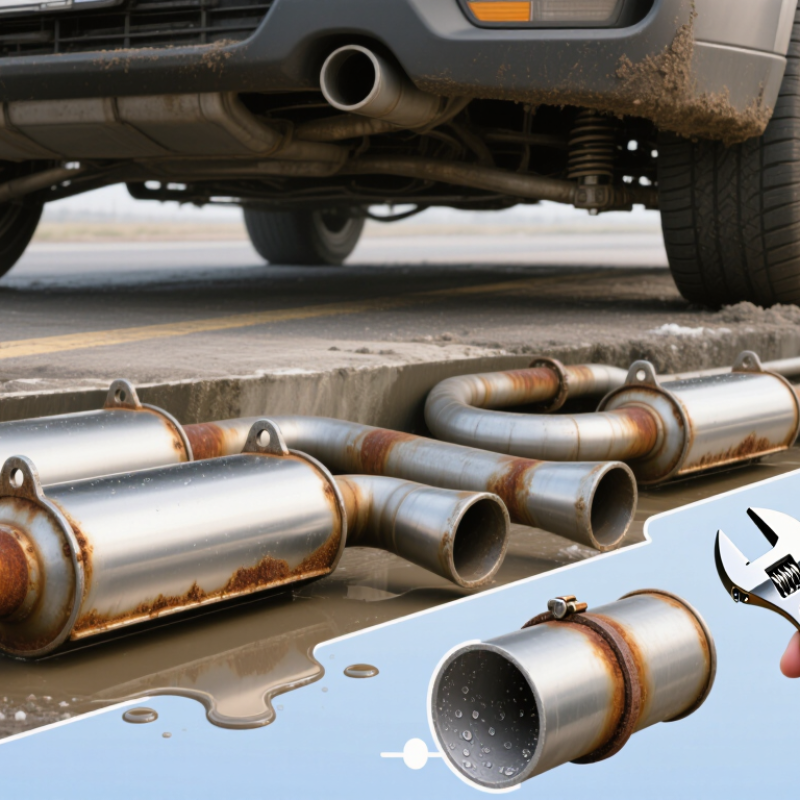
An exhaust pipe carries hot gases away from the engine and releases them behind the vehicle. It also reduces harmful exposure inside the cabin. During inspections, I often find rust starting near joints, hangers, and muffler seams. These areas trap water and road salt. Heat then dries the surface unevenly, leaving moisture behind. Condensation is another quiet cause. Short trips may not heat the pipe enough to evaporate internal water. The metal slowly weakens. Rust can begin as orange dust.
Several conditions accelerate this process. Salt attacks protective coatings, while mud holds moisture against the steel. Scratches expose fresh metal, and loose hangers create vibration damage. A simple visual check can reveal bubbling paint, flakes, or small holes. Tap suspicious areas gently with a suitable tool. A dull sound may indicate thinning metal. Do not rely on appearance alone. I have seen a clean-looking pipe fail near an unseen seam. Washing the underside after salted-road travel helps. Longer drives can reduce internal condensation, but they are not a complete cure. Repair damaged supports quickly, keep drain paths clear, and use corrosion-resistant replacement materials when appropriate. Local inspection guidance still matters.
It carries hot engine gases behind the vehicle. It also helps reduce harmful fumes inside the cabin. A damaged pipe may leak gases before they reach the rear.
Rust often starts near joints, hangers, welds, clamps, and muffler seams. These areas trap water, mud, and road salt. Low points are especially vulnerable.
Yes. Short trips may not heat the pipe enough to evaporate internal condensation. Moisture remains inside, then slowly weakens the metal. This is easy to overlook.
Look for deep scaling, swollen sections, flakes, cracks, pinholes, and bubbling coatings. Black soot near a joint may show escaping exhaust gas. Light staining is not always harmless.
Wait until the entire system is completely cool. Use a bright light and inspect bends, seams, and low points. Never work beneath an unsupported vehicle.A firm, gentle tap may reveal thin metal. A dull sound or soft spot deserves professional attention. This check is useful, but not perfect.
A ticking sound, louder exhaust note, vibration, or dark soot can indicate leakage. Unusual fumes inside the cabin require prompt inspection. Carbon monoxide may have no reliable warning smell.
Small surface damage without holes may allow a properly fitted repair section. Severely thinned metal, holes, crushed areas, or repeated leaks usually require replacement. Exhaust paste is often temporary.A good-looking upper surface can hide serious underside corrosion. I would not trust appearance alone.
Rinse the vehicle underside after driving on salted roads. Keep drain paths clear and repair loose supports quickly. Longer drives may reduce condensation, but they are not a complete cure.Use suitable corrosion-resistant replacement materials when appropriate. Local inspection requirements still matter. Rust can spread faster than expected.
An exhaust pipe carries hot gases away from the engine, but constant exposure to heat, moisture, road salt, mud, and condensation can gradually weaken its metal surface. This explains why do exhaust pipes rust and how to prevent it is an important maintenance question for every vehicle owner. Rust often begins as small orange spots or surface flakes, then develops into deep pitting, holes, loose joints, and unusual exhaust noise. Short trips, humid conditions, poor drainage, and accumulated dirt can make corrosion spread faster.
To prevent exhaust pipe rust, allow the system to cool and inspect it regularly, especially after winter driving or wet weather. Remove dirt and salt, keep drain openings clear, and address damaged protective coatings promptly. Early surface corrosion may be cleaned and treated, but heavily weakened sections should be repaired or replaced by a qualified professional. Acting early helps maintain proper exhaust flow, reduce noise, support efficient vehicle operation, and prevent a minor rust problem from becoming a costly safety concern.

 GLX Auto Parts