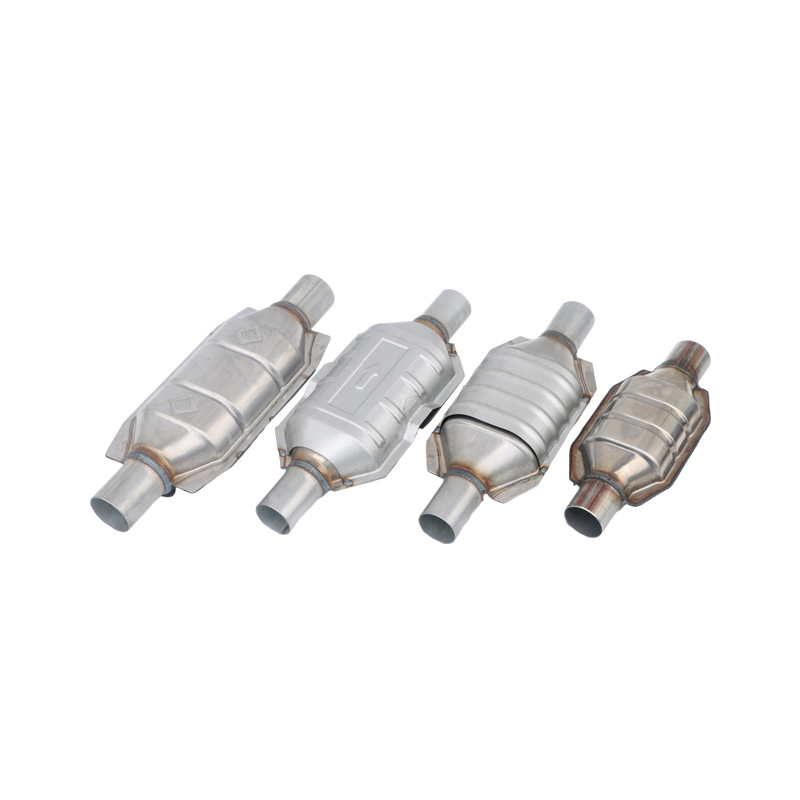
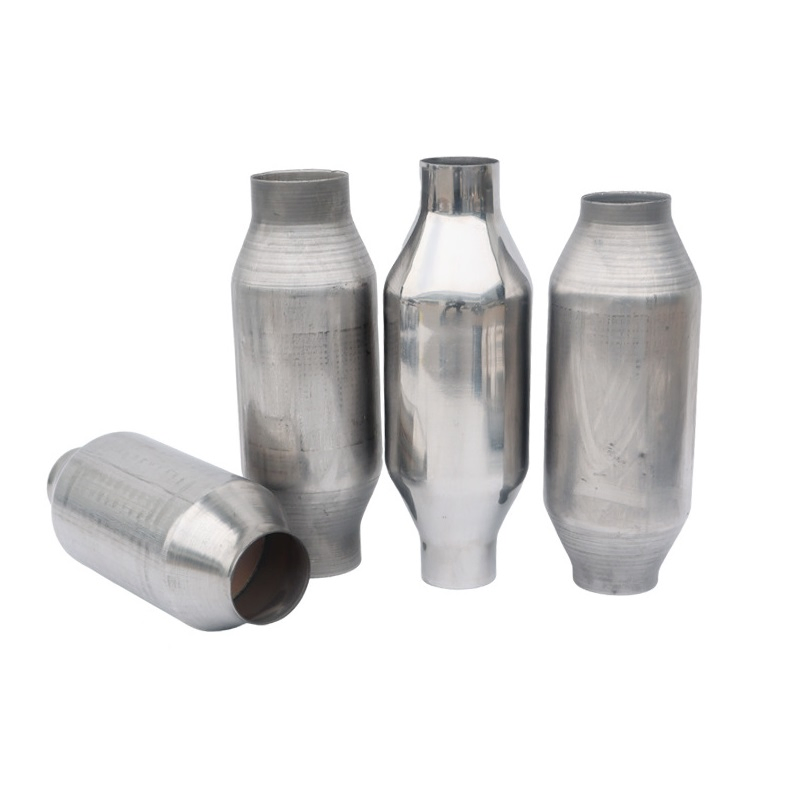
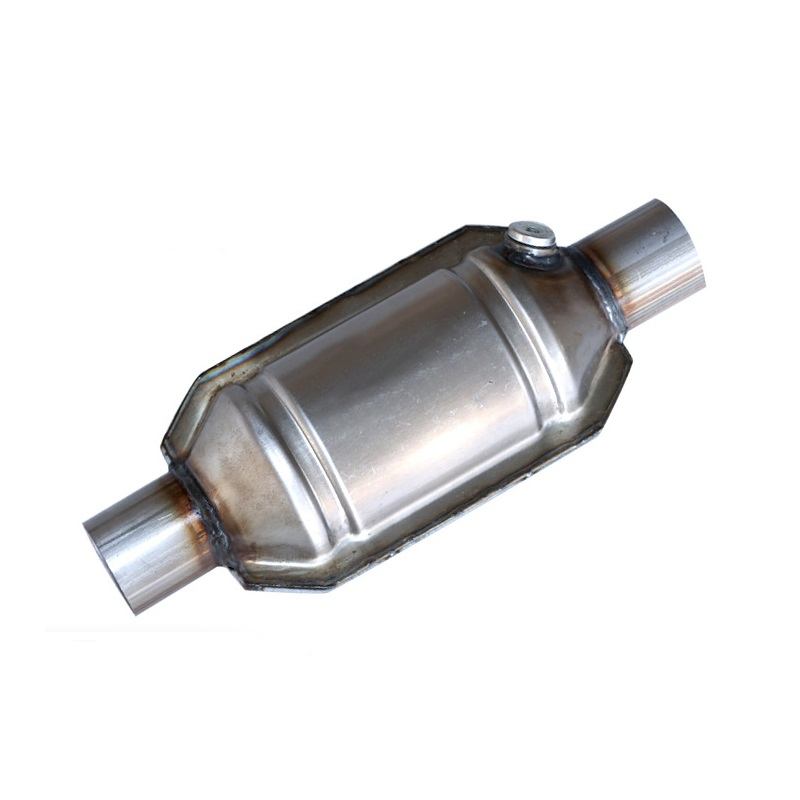
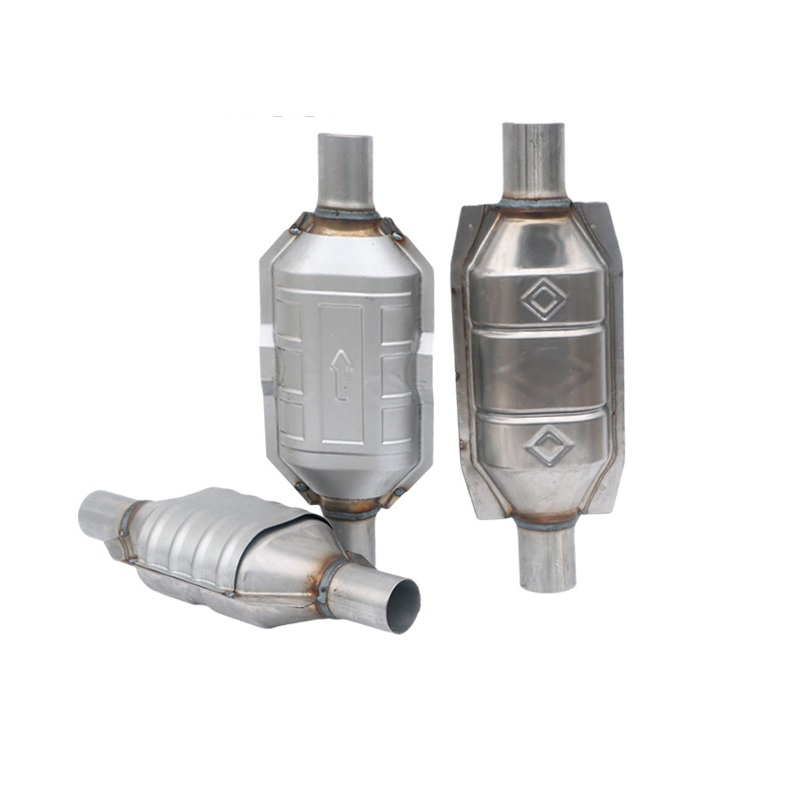
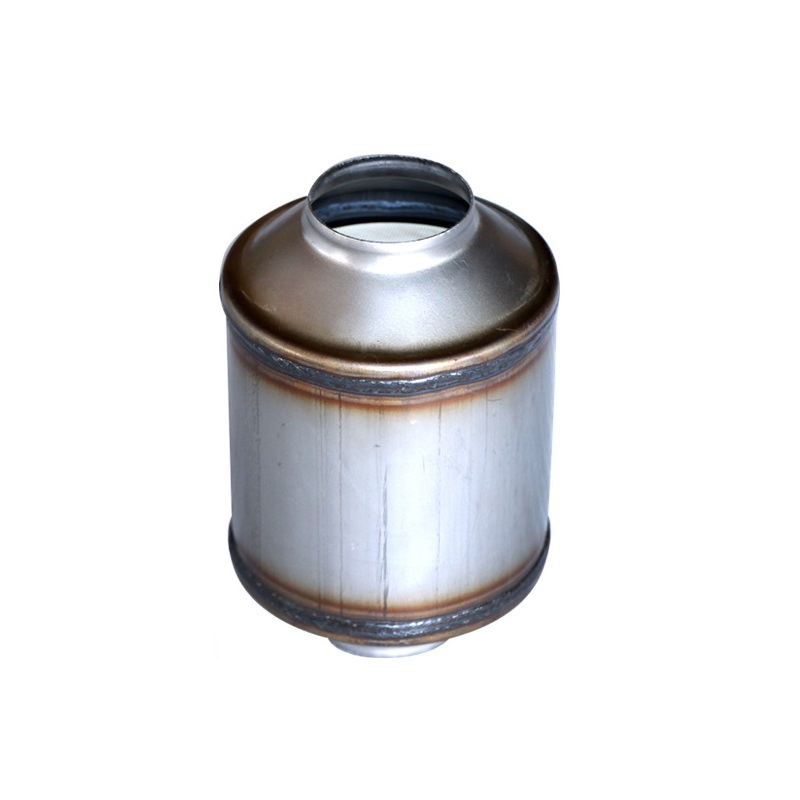
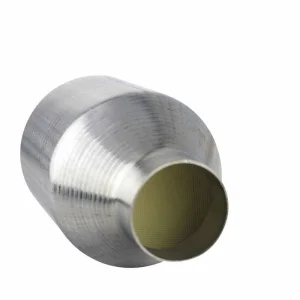
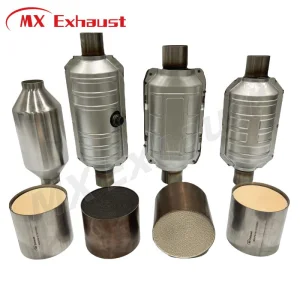
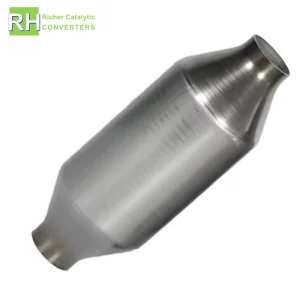
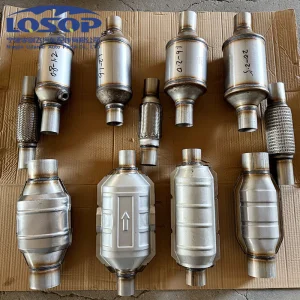
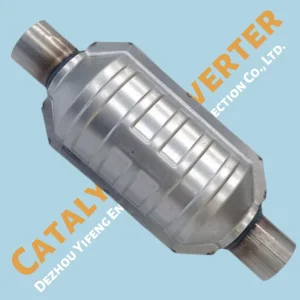
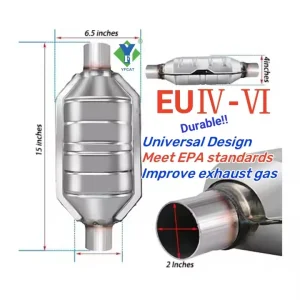
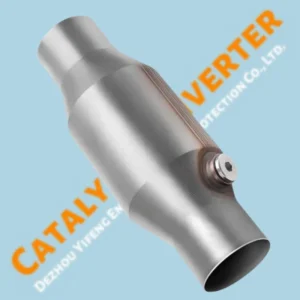
Auto Metal Catalyst Honeycomb Ceramic Catalytic Converter Universal Package with Oxygen Sensor

Still deciding? Get samples of $ !
Order Sample

Product Description

Basic Information

Type
Catalytic Converter
Body Material
Steel
Discharge Standard
Euro II
Certification
ISO9001
Noise Source
The Noise of Engine
Component
Catalytic Converter
Main Market
North America
Product Name
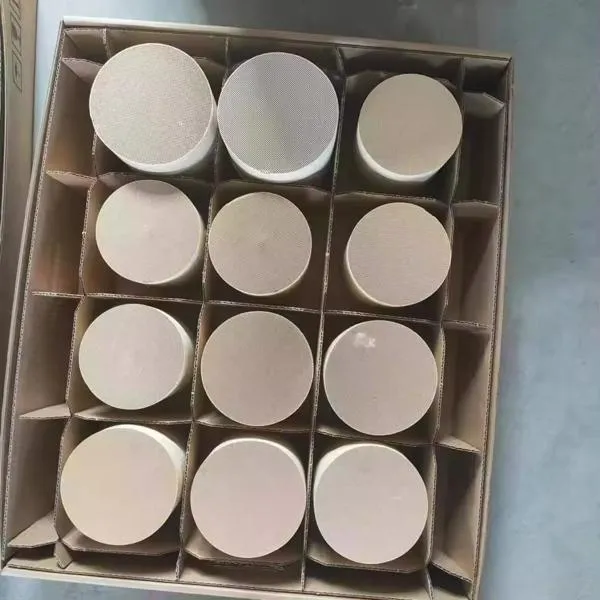
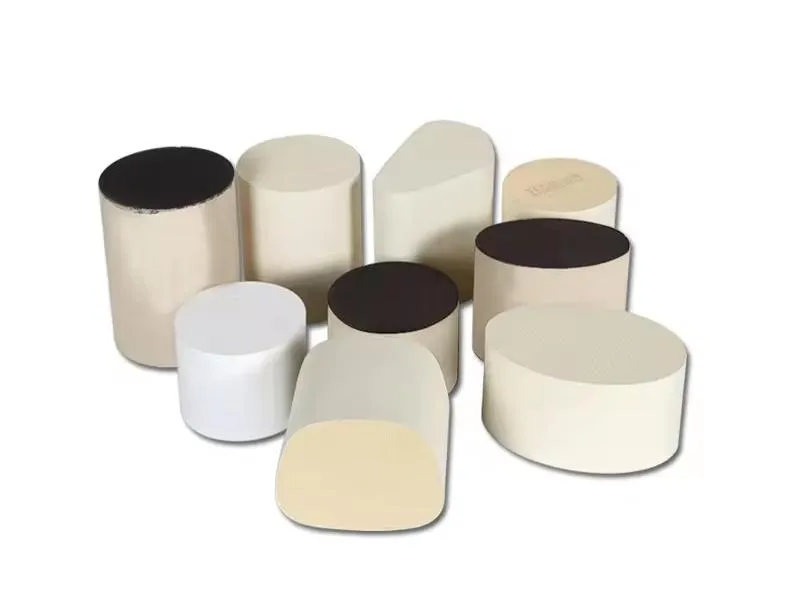
3-Way Catalyst Honeycomb Ceramic Substrate Carrier
Materials
Cordierite
Shape
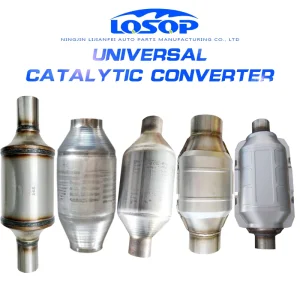
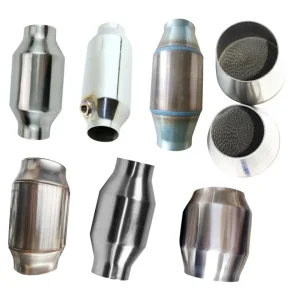
Round, Oval, Racetrack-Shaped
Application
Auto Exhaust System
Coating
PT Pd Rh
Cell Density
200 Cpsi
Emission Standard
Euro 3
Working Temperature
150-1200 Degree

Packaging & Delivery

Package Size
15.00cm * 15.00cm * 15.00cm
Package Gross Weight
5.000kg

Product Description

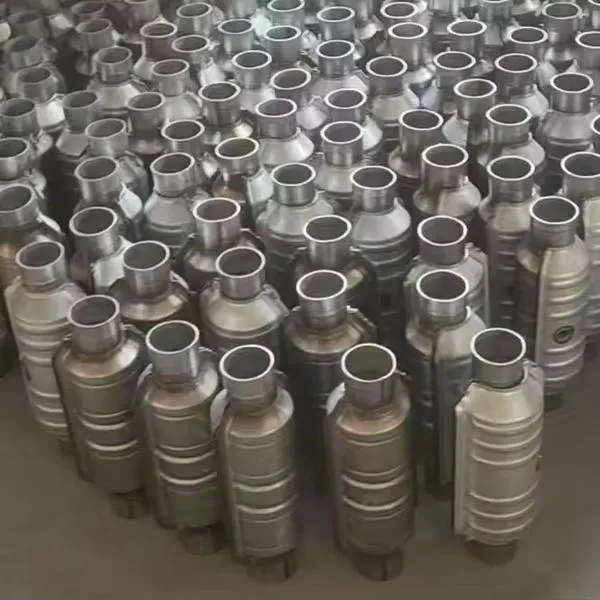
Catalytic Converter

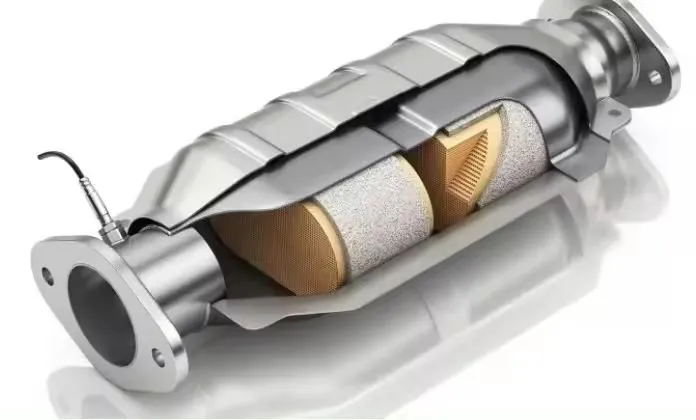
The three-way catalyst (TWC) is made of cordierite honeycomb ceramics as a carrier, rare earth composite oxides as additives, and a small number of precious metals (PD/PD/RH) added and sintered after a special coating process. The product makes full use of the coordinated effects of precious metals and rare earth composite oxides. The carbon monoxide CO, hydrocarbons HC, and nitrogen oxides NOX in the exhaust gas undergo oxidation/reduction, thereby converting them into non-toxic carbon dioxide, water and nitrogen.
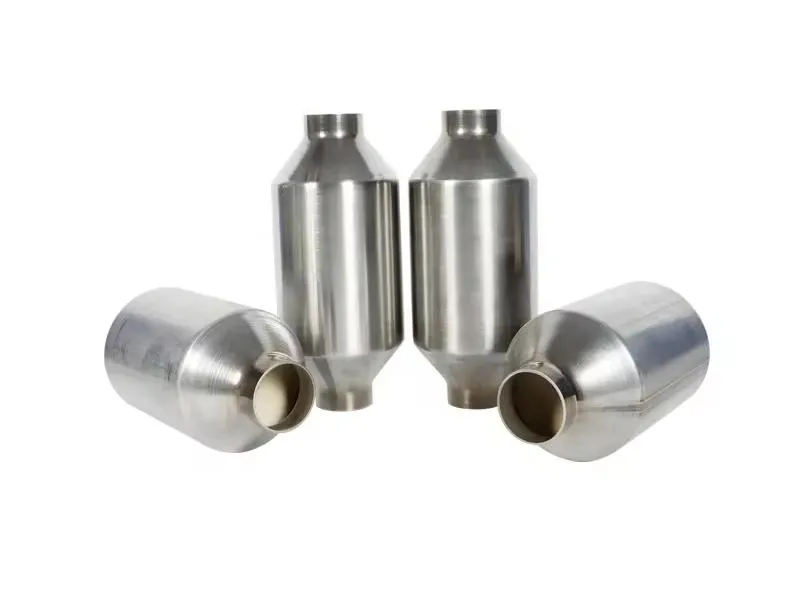
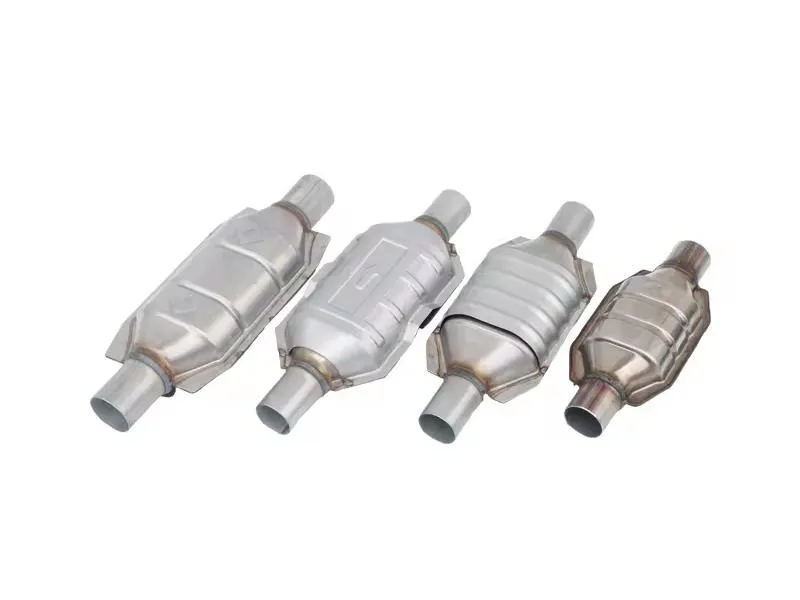
Honeycomb Ceramic
Catalyst Detail

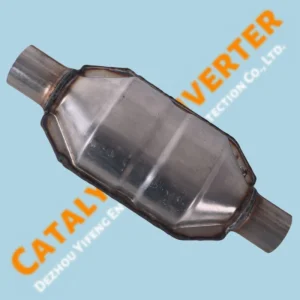
Three-Way Catalytic Converter
Uses advanced spiral wound ultra thin foil. Constructed of high temperature tolerant, corrosion resistant steel alloys. Thick steel alloy retainers provide support and stability.

Advanced Welding Process
Features high strength, ultra-thin metallic core walls which impose a minimal exhaust gas restriction during operation.
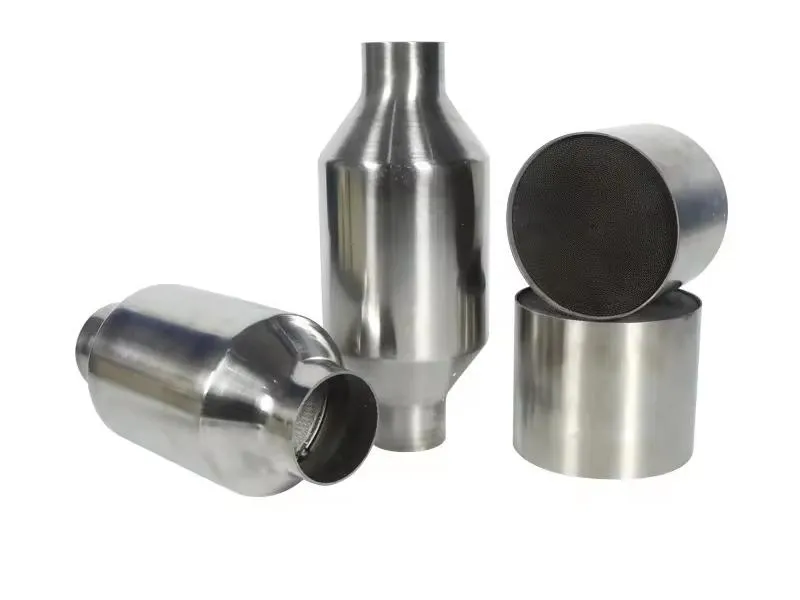
Metallic Substrate
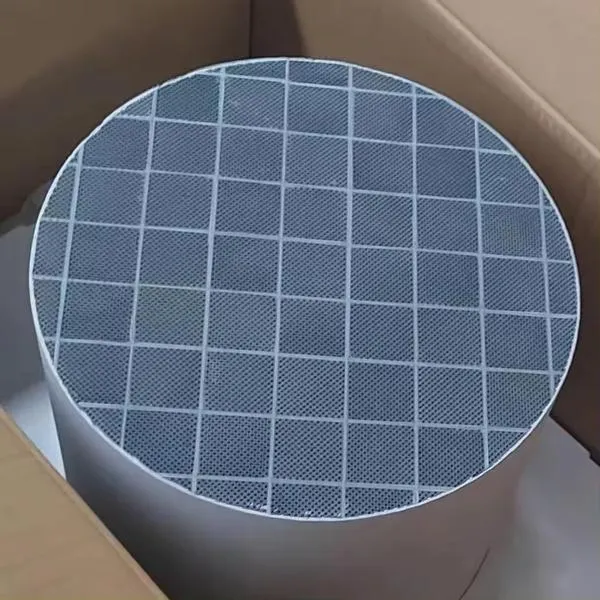
DPF Filter

Product Size Specifications

Specification Diameter (mm) Length (mm) Cell Density (CPSI) Emission Standard
Ø80*608060200-750Euro 4/5/6
Ø93*609360200-750Euro 4/5/6
Ø93*101.693101.6200-750Euro 4/5/6
Ø101.6*100101.6100200-750Euro 4/5/6
Ø101.6*152.4101.6152.4200-750Euro 4/5/6

Key Features

  • Low thermal expansion
  • High filter specific surface area
  • Low pressure drop
  • Long-term durability performance
  • High soot removal: >95%
  • Excellent thermal shock resistance
Feature 1
Feature 2
Feature 3

Testing Equipment

The company is committed to providing efficient three-way catalyst carrier and three-way catalytic products. Our three-way catalyst carrier is made of high-quality porous ceramic materials, which are efficient, stable and durable.
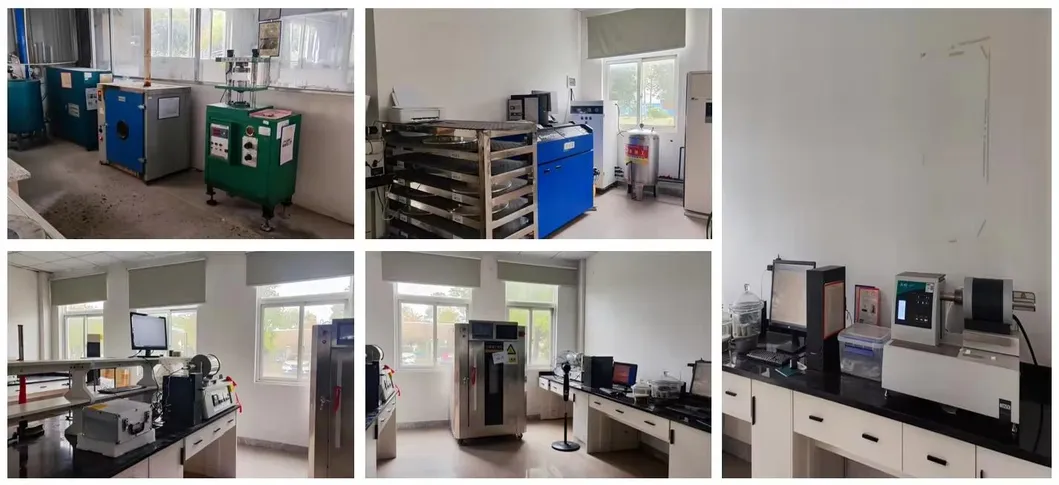

1. Gas analyzer
2. Water quality testing instrument
3. Particulate counter
4. Noise measuring instrument
5. Radioactivity detector
Testing Lab

Certifications

Certificates

Frequently Asked Questions

What Is A DPF Filter?
DPF stands for Diesel Particulate Filter. These filters prevent solid particles (soot) from leaving the exhaust and entering the air, while also improving fuel efficiency by recycling caught soot.
Where Is The DPF Filter Located?
DPF filters are positioned within the exhaust system, resting ahead of the NOx trap and exhaust pipe, but after the temperature sensor. It is the part of the exhaust system closest to the engine.
How Does The DPF Filter Work?
It traps particulate matter through a honeycomb porous ceramic structure. By alternately blocking both ends of the pores, the ceramic wall filters and removes particulate matter from the exhaust gas.
What Is A DPF System?
A DPF system refers to the entire assembly of parts that filters solid particles from the exhaust and utilizes them to help power the vehicle alongside initial fuel combustion.
How To Replace The DPF Filter?
If cleaning fails to clear warning lights or if the filter is physically damaged, it must be replaced. A professional mechanic should advise on replacement when ash buildup becomes irreparable.
What are the benefits of the Honeycomb Metallic substrate?
Metallic substrates offer high geometric surface area and low pressure drop due to thin walls. They are brazed or welded for superior mechanical durability and resistance to thermal shock.

Related Products