GLX Auto Parts
1 / 5
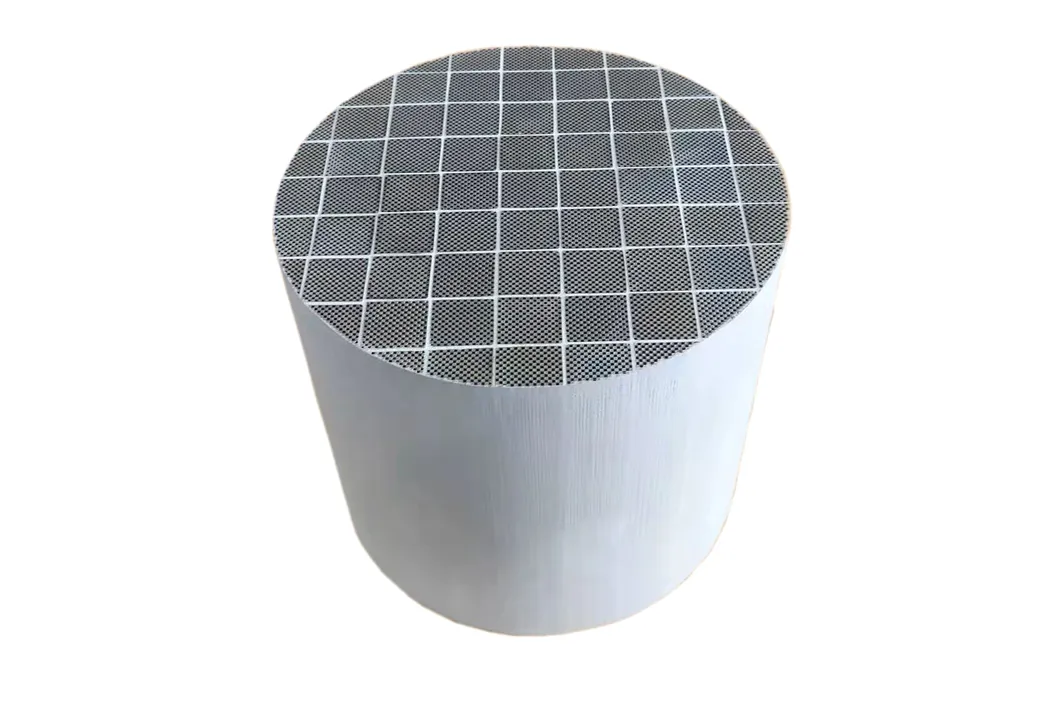
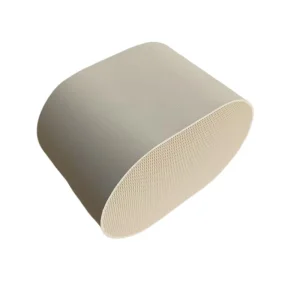
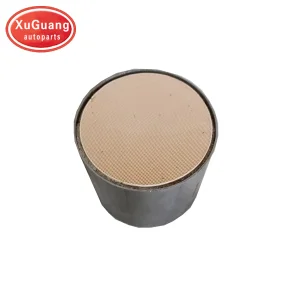
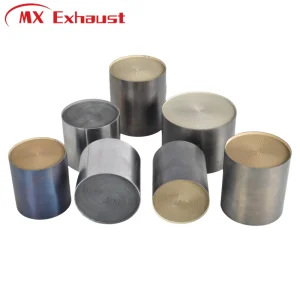
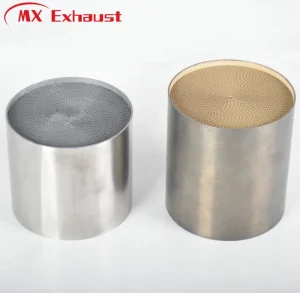
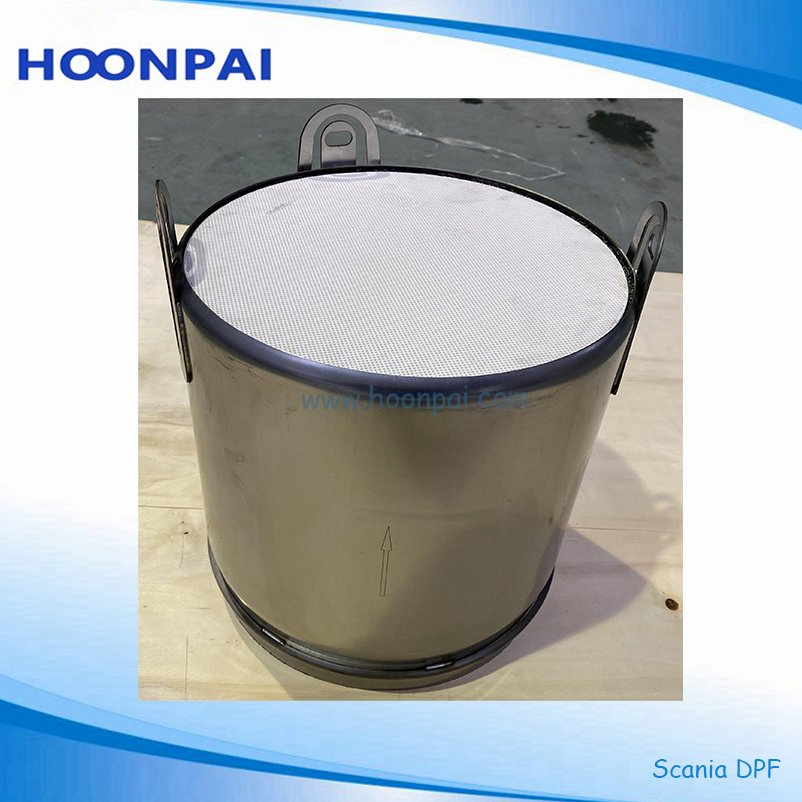
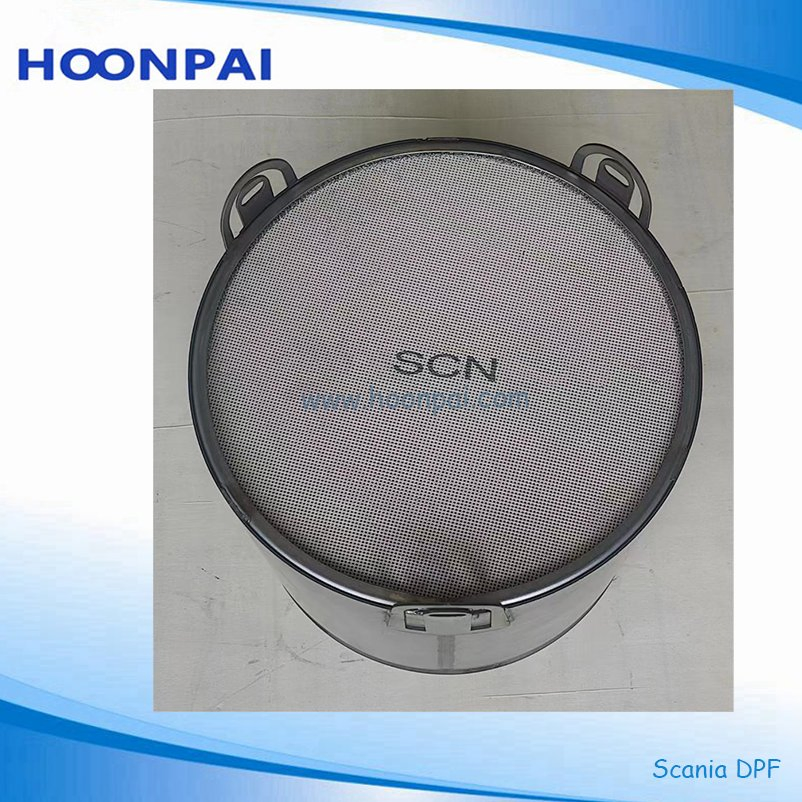
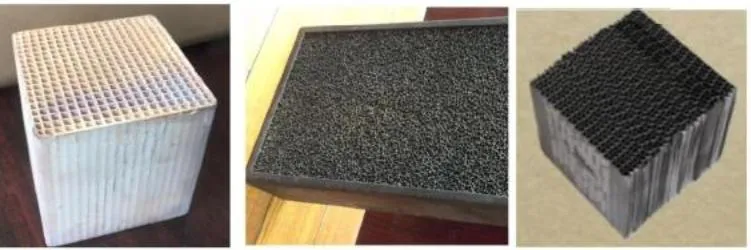
DPF INTRODUCTION: DPF is the essential option to satisfy particle number emissions. Common materials include ceramics, aluminum titanate, and silicon carbide. Our coating technologies are based on high thermal stable wash coat formulations.
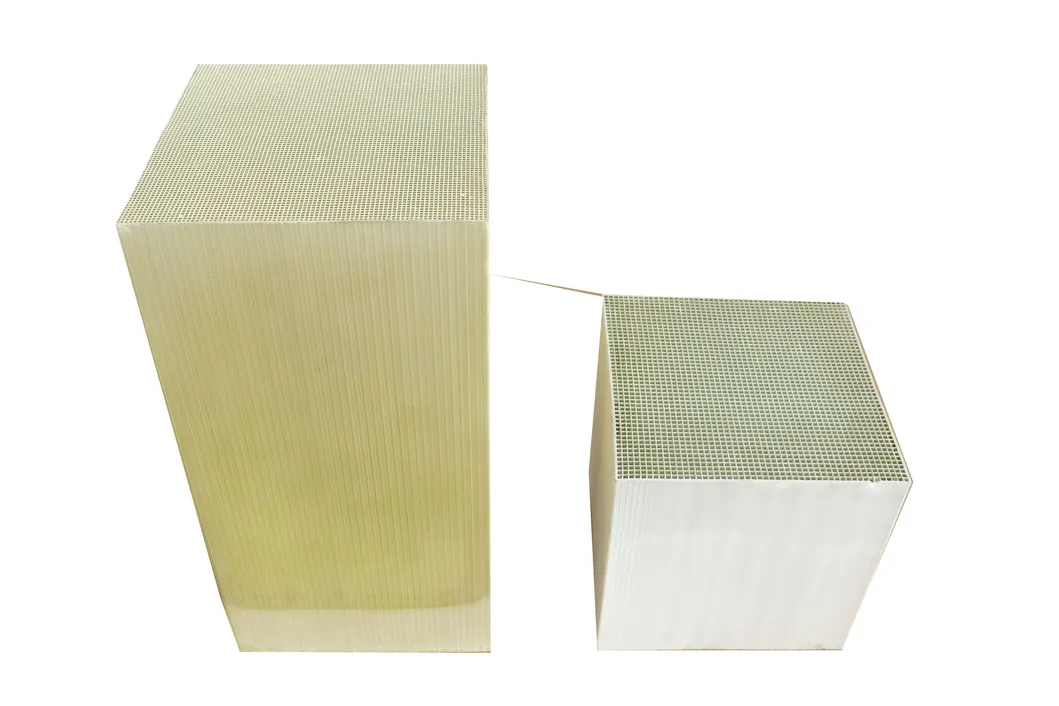
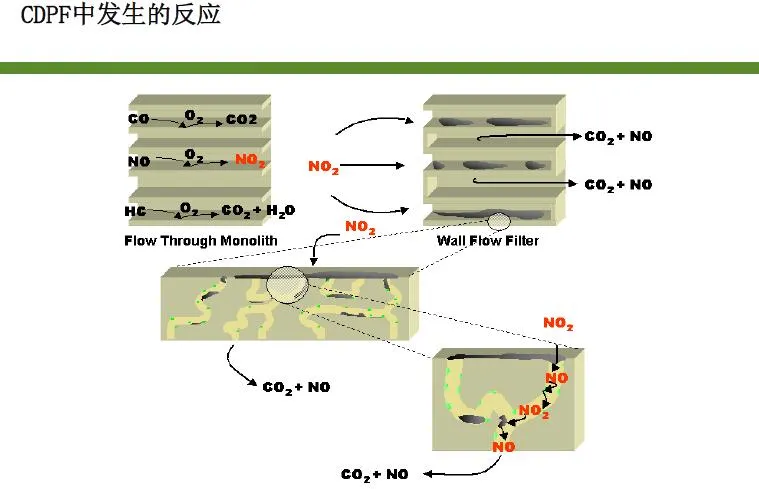
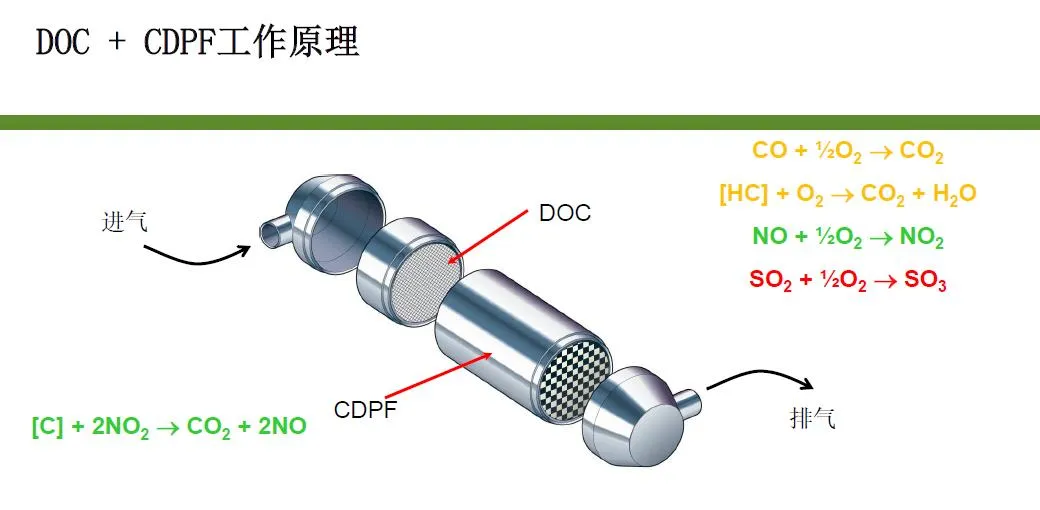
DOC INTRODUCTION: Oxidizes unburned hydrocarbons (HC) and carbon monoxide (CO) into harmless water and CO2. It also converts NO into NO2 for passive regeneration of downstream CDPF.
Doc: Oxidation of No to No2 and removal of CO and HC.
CDPF: Captured carbon particles react with NO2 at low temperature to produce CO2 emissions.
| Type | Diameter (mm) | Height (mm) | Application |
|---|---|---|---|
| DPF | Φ143.8 | 203 | Diesel Particulate Filter |
| DPF | Φ190.5 | 152.4 / 203 / 254 | Universal Diesel |
| DPF | Φ241 | 152.4 / 203 / 254 | Heavy Duty |
| DPF | Φ305 | 203 / 254 / 305 | Industrial Use |
| Substrate | Φ143.8 | 101.6 / 152.4 | Catalyst Carrier |
| Substrate | Φ241.2 | 101.6 / 152.4 | Catalyst Carrier |
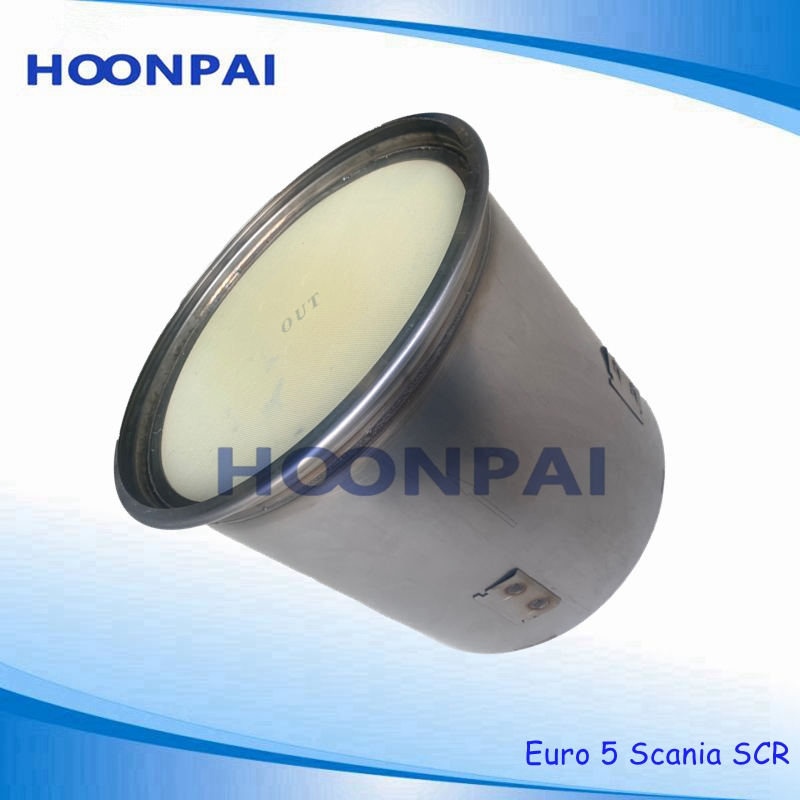
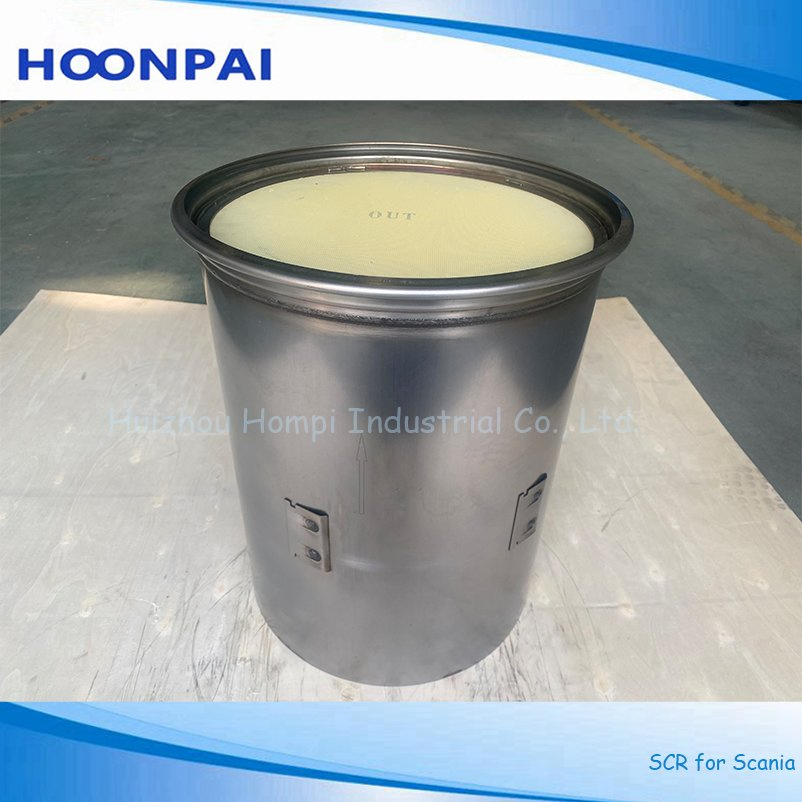
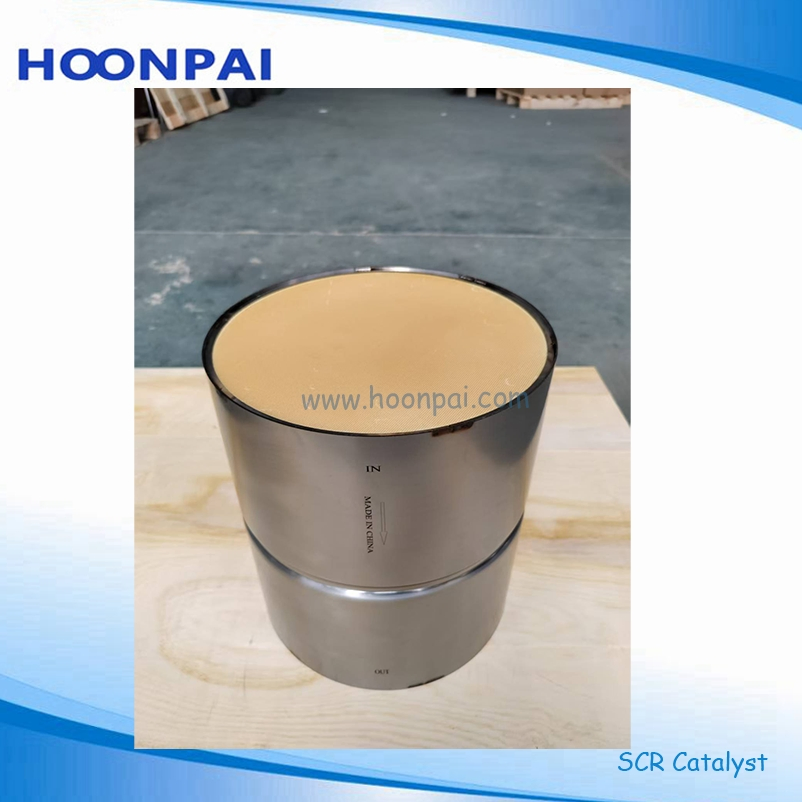
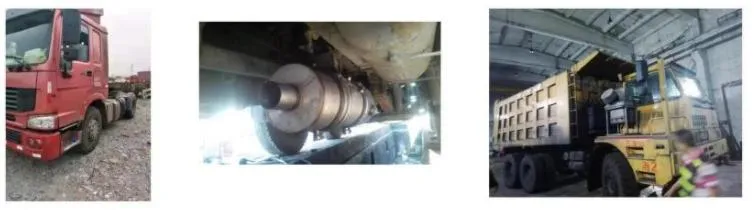
Commercial & Road Vehicles: OEM Factory support for Euro 4, 5, and 6 catalysts including DOC, SCR, and CDPF.
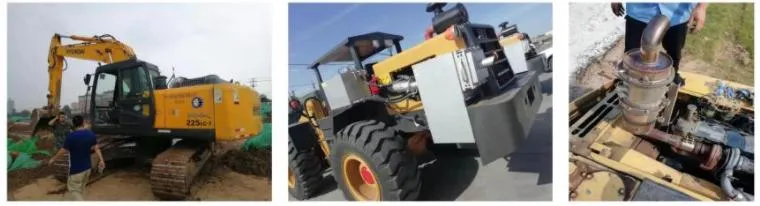
Non-Road & Farm Machinery: Solutions for engineering machinery and farm vehicles (T4 catalyst standards).
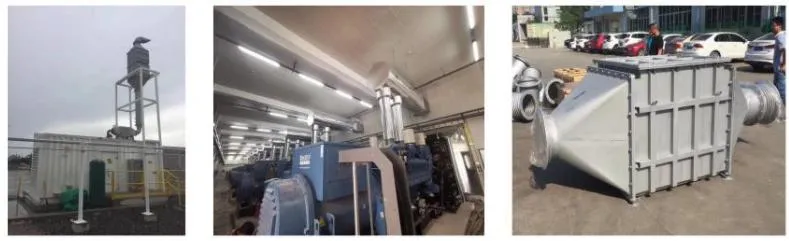
Industrial Treatment: Denitration and VOCs catalysts for power plants, boilers, and chemical waste gas.
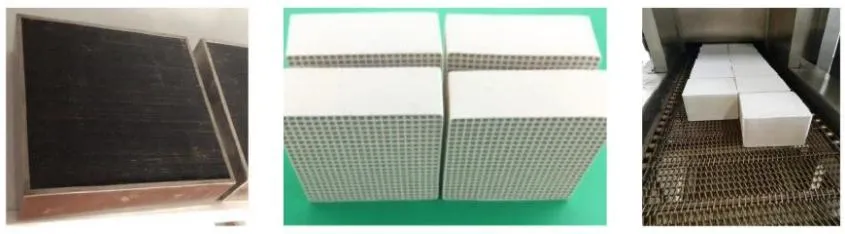
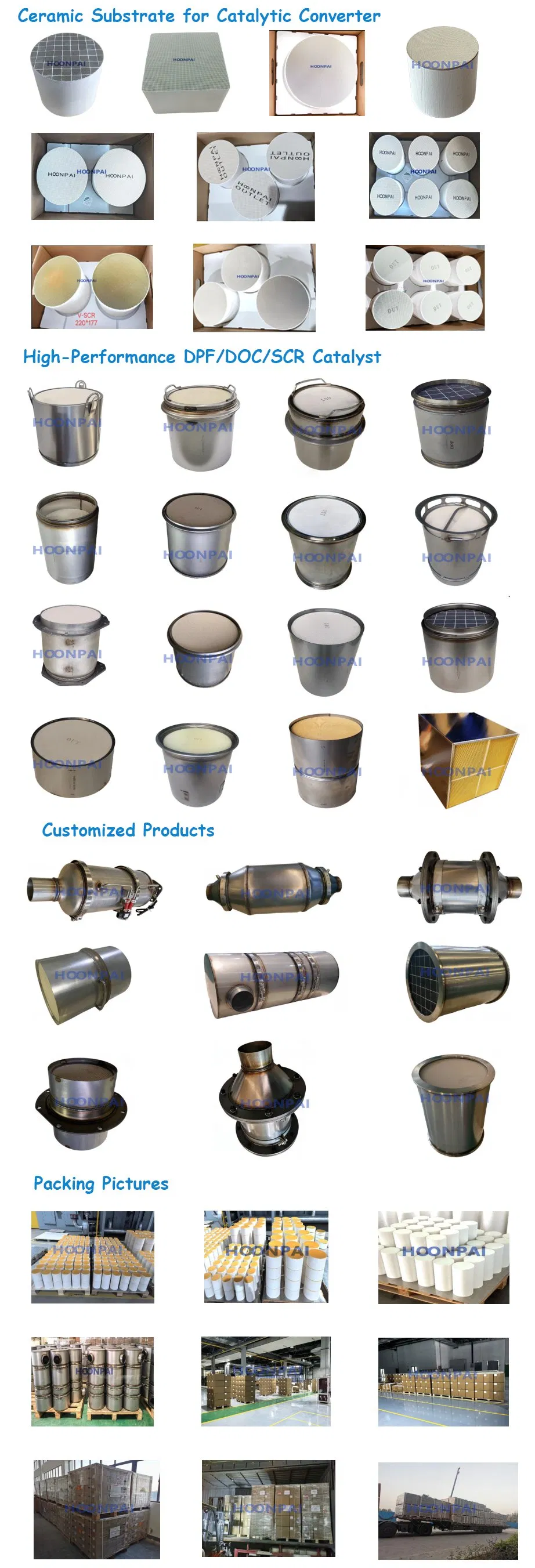
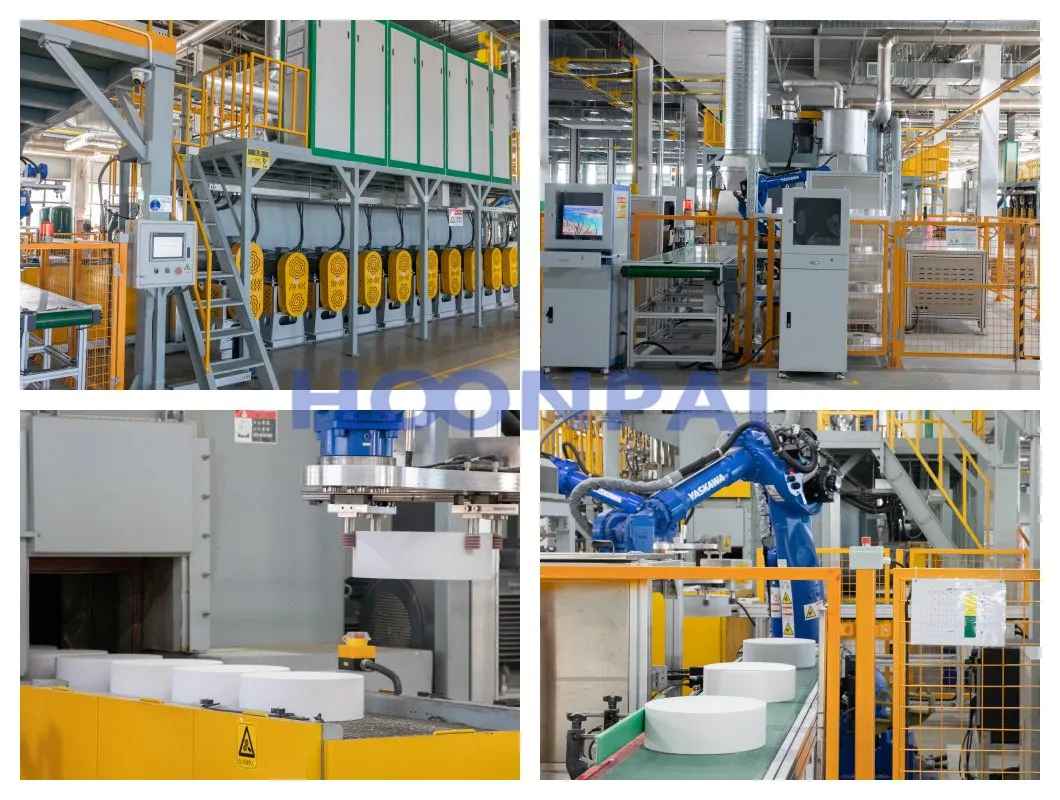
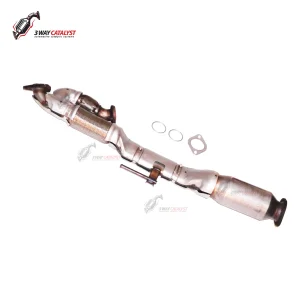
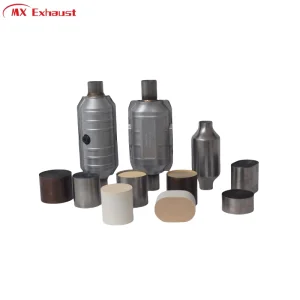
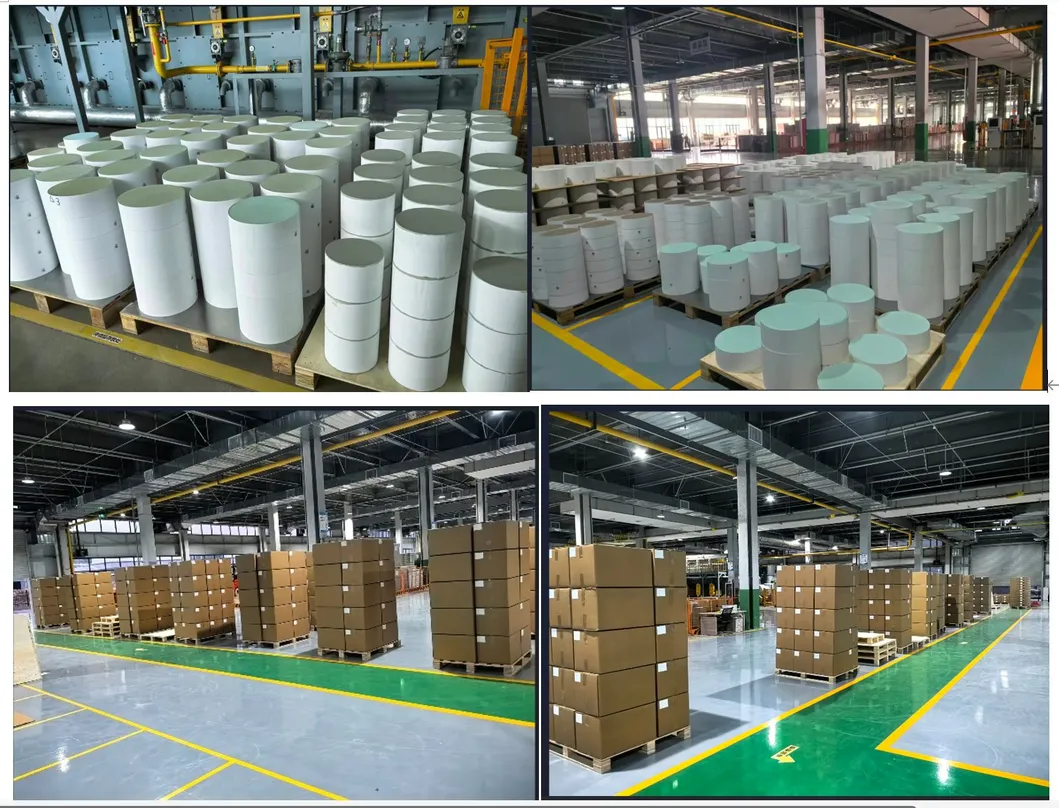
The facility specializes in manufacturing catalytic converters for diesel vehicles and industrial applications. The coating factory spans 30,000 m² with an annual production capacity reaching up to 6 million liters. We produce a wide range of DOC, DPF, and SCR products.