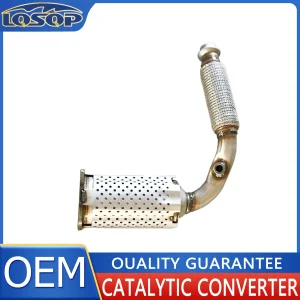
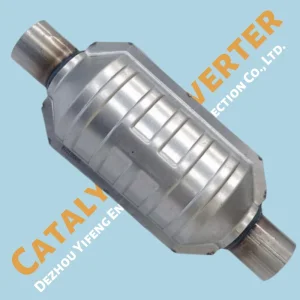
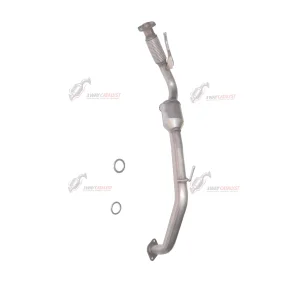
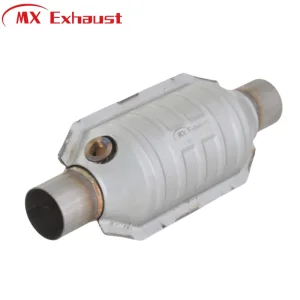
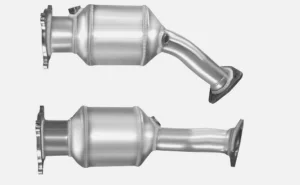
Type:Catalytic Converter
Body Material:Steel
Discharge Standard:Euro II
Certification:ISO9001
Component:Catalytic Converter
Main Market:North America
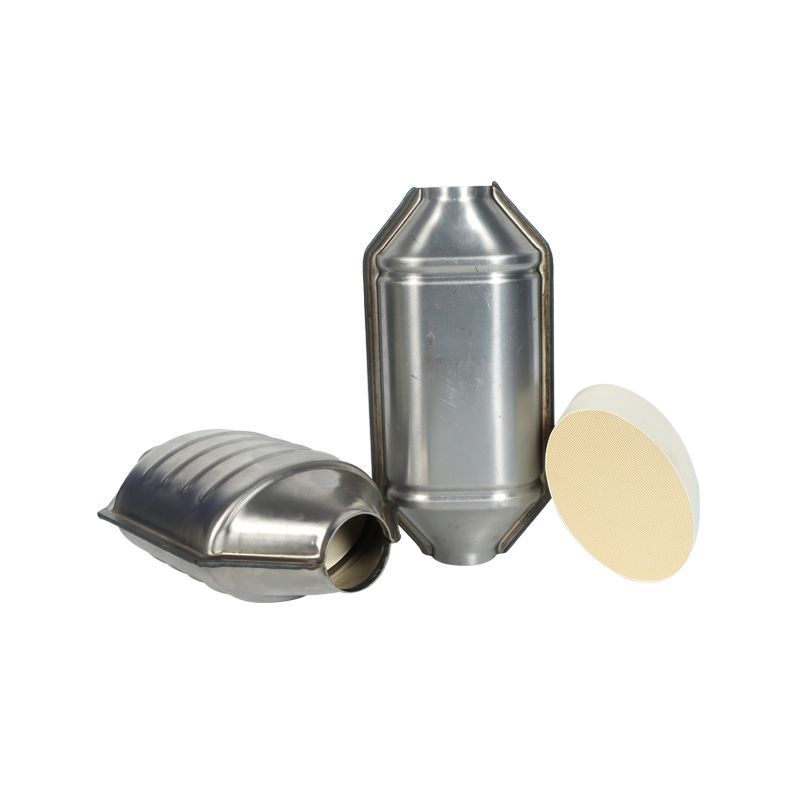
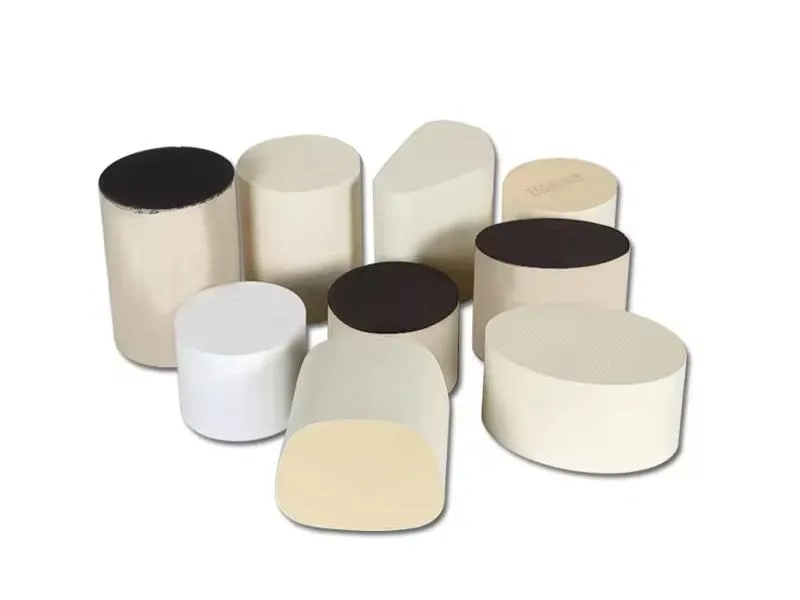
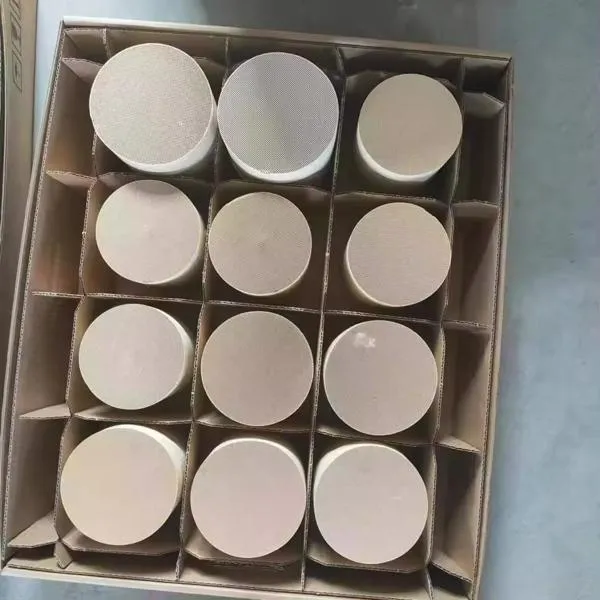
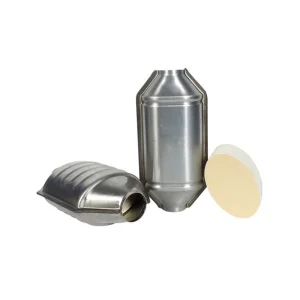
Product Name:3-Way Catalyst Honeycomb Ceramic Substrate Carrier
Materials:Cordierite
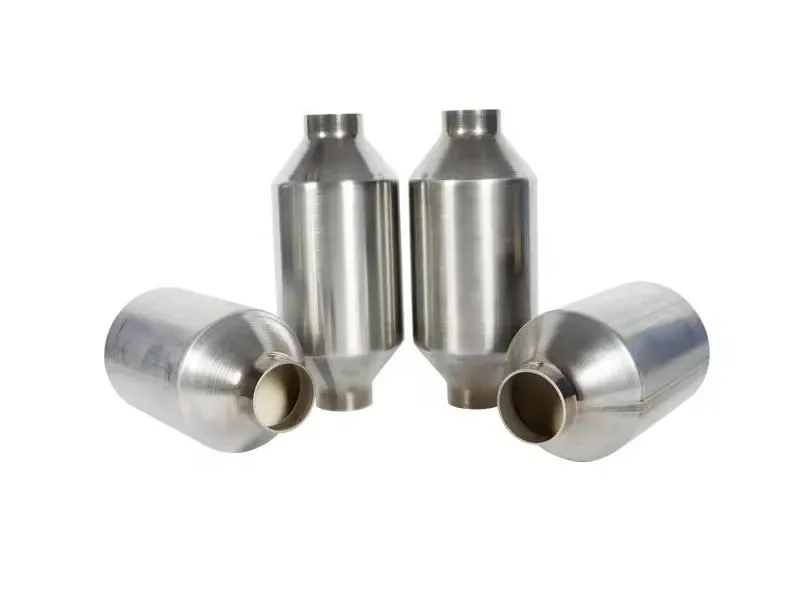
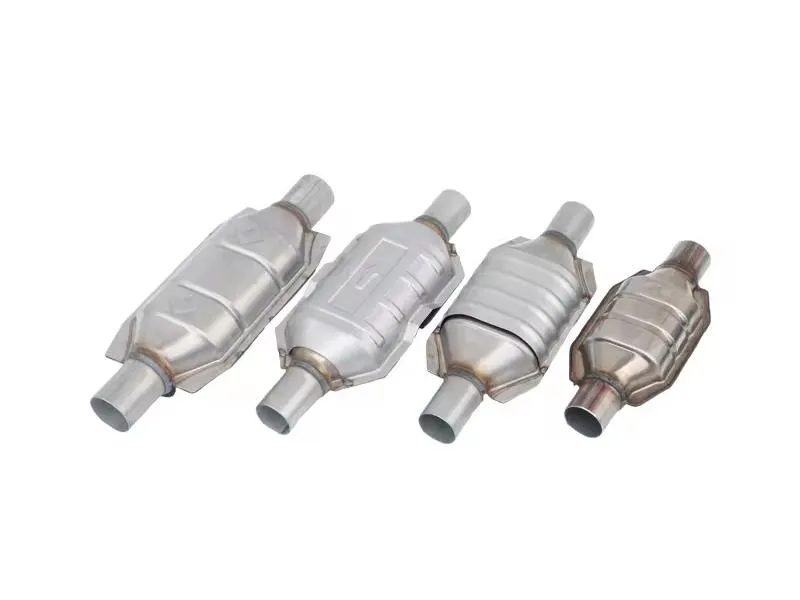
Shape:Round, Oval, Racetrack-Shaped
Coating:PT Pd Rh
Cell Density:200 Cpsi
Working Temperature:150-1200 Degree
Production Capacity:3,000,000 pieces/Year
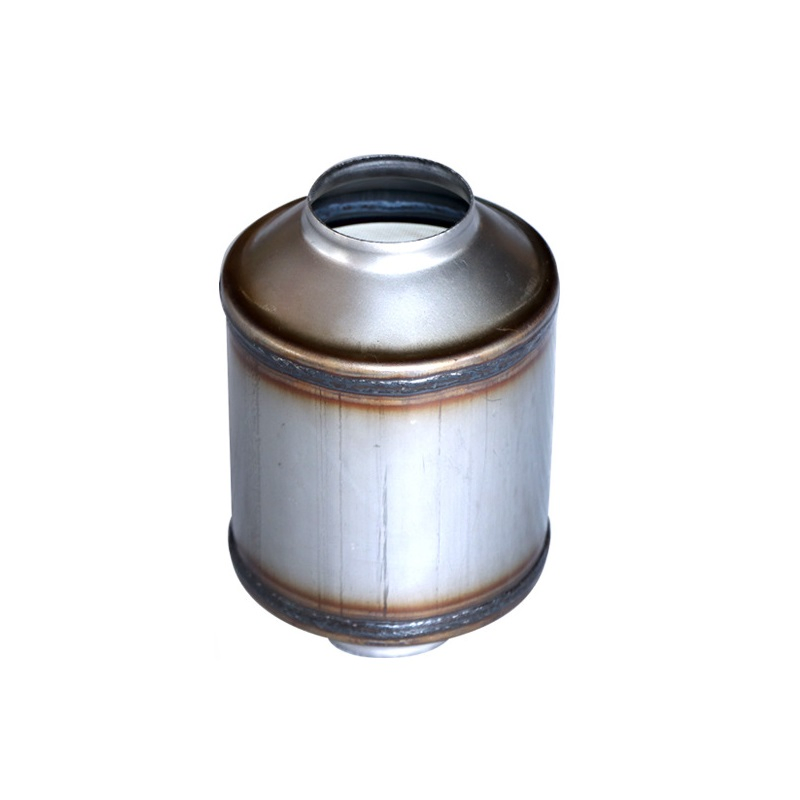
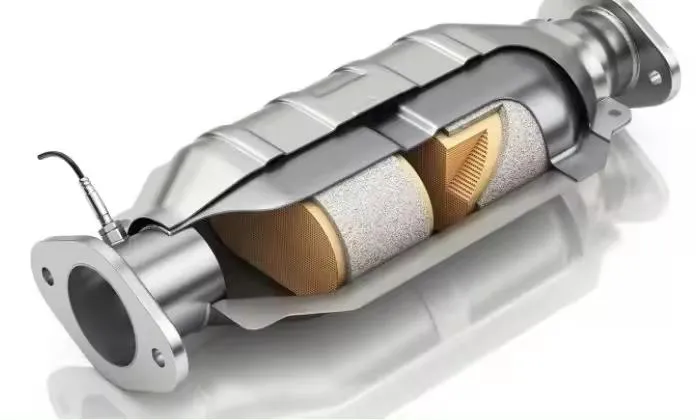
The three-way catalyst (TWC) is made of cordierite honeycomb ceramics as a carrier, rare earth composite oxides as additives, and a small number of precious metals (PD/PD/RH) added and sintered after a special coating process. The product makes full use of the coordinated effects of precious metals and rare earth composite oxides. The carbon monoxide CO, hydrocarbons HC, and nitrogen oxides NOX in the exhaust gas undergo oxidation/reduction, thereby converting them into non-toxic carbon dioxide, water and nitrogen.
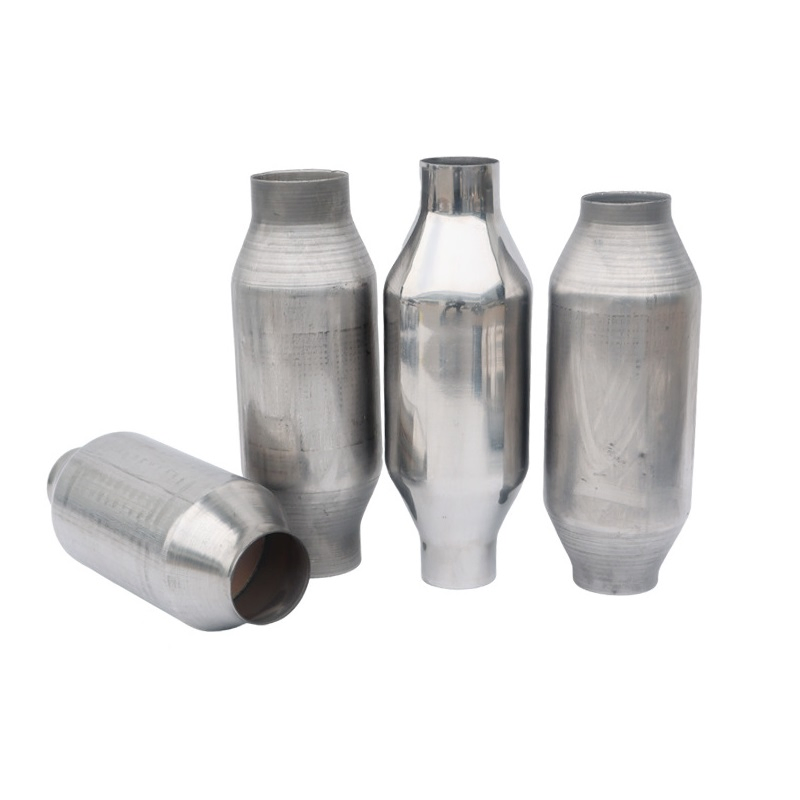
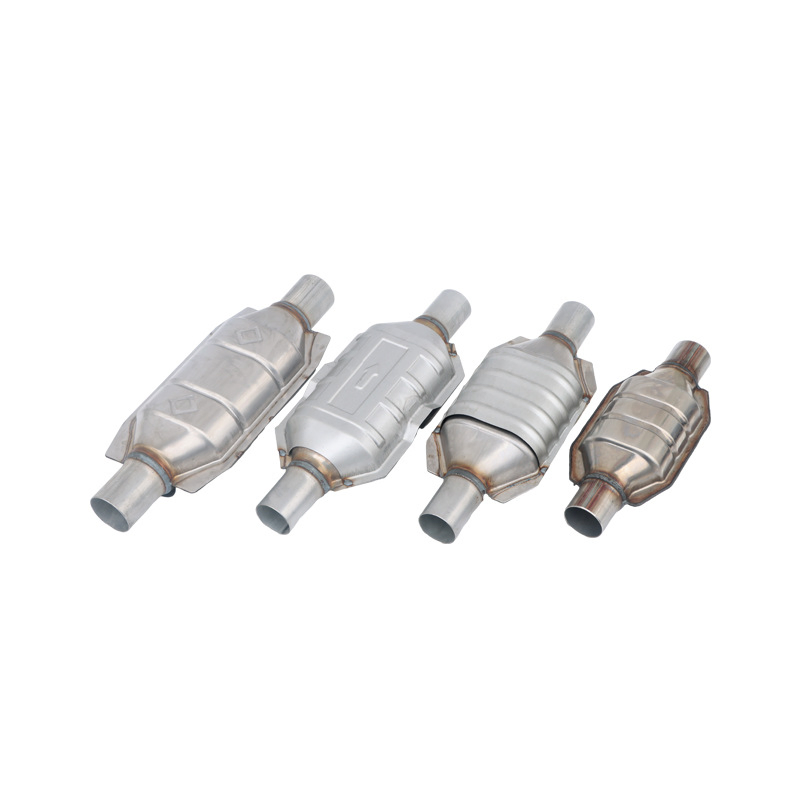
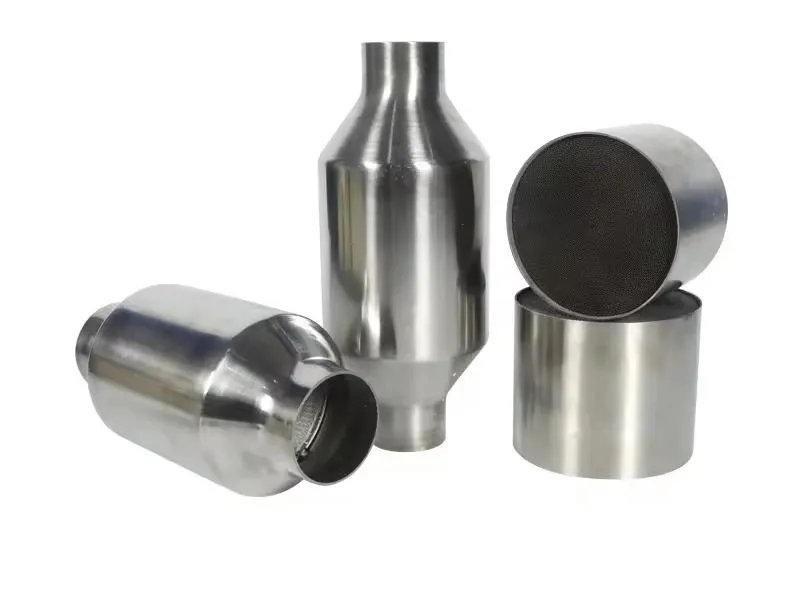
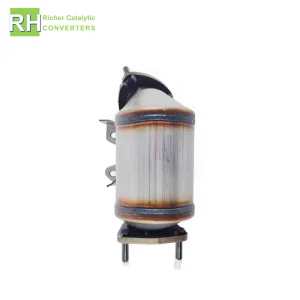
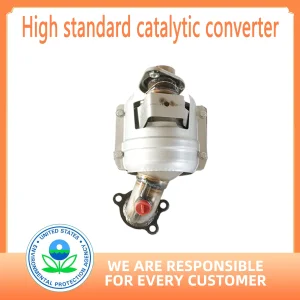
Three-Way Catalytic Converter
Uses advanced spiral wound ultra thin foil. Constructed of high temperature tolerant, corrosion resistant steel alloys. Thick steel alloy retainers provide support and stability.
Advanced Welding Process
Features high strength, ultra-thin metallic core walls which impose minimal exhaust gas restriction. Operating efficiency is barely affected even under high load.
✓ Low thermal expansion
✓ High filter specific surface area
✓ Low pressure drop
✓ Long-term durability performance
✓ High soot removal: >95%
✓ Excellent thermal shock resistance
DPF Installation Info:
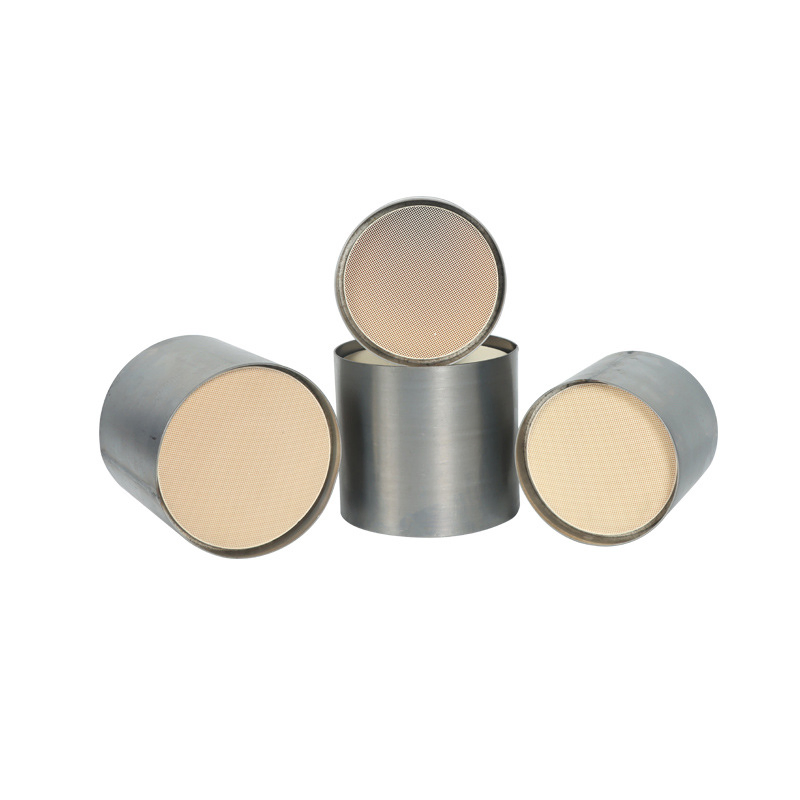
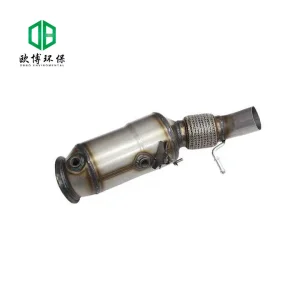
A DPF is installed between an engine and a muffler to remove suspended particulate matter (SPM). The working principle involves alternately blocking both ends of the pores of the honeycomb porous ceramic, using the ceramic wall to filter and remove PM.
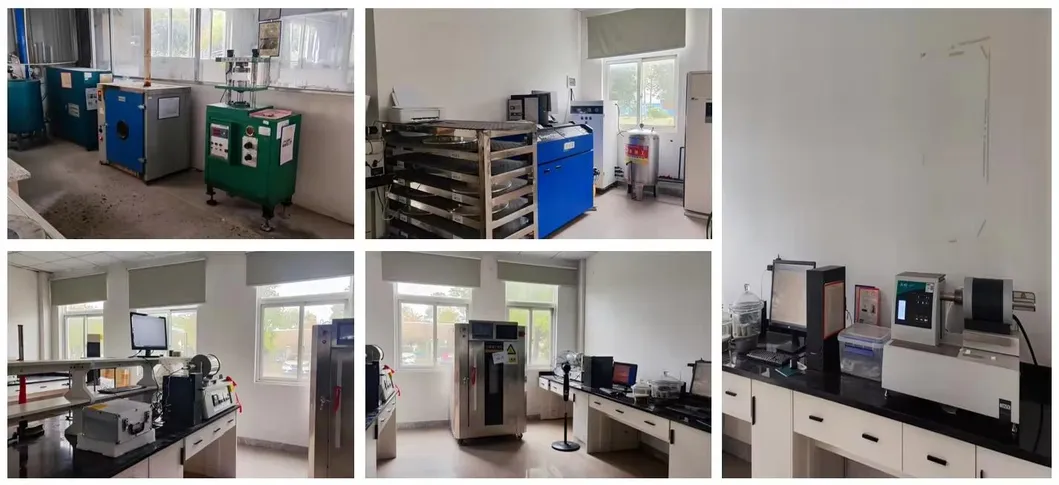
Advanced testing equipment ensures stable and reliable product quality for all automobile exhaust systems.
01 Gas analyzer
02 Water quality testing instrument
03 Particulate counter
04 Noise measuring instrument
05 Radioactivity detector
Frequently Asked Questions
What Is A DPF Filter?
DPF stands for Diesel Particulate Filter. These devices reduce toxic emissions from diesel exhaust by preventing solid particles (soot) from entering the air. They also improve fuel efficiency by recycling caught soot.
Where Is The DPF Filter Located?
DPF filters are positioned within the exhaust system, resting ahead of the NOx trap and exhaust pipe, but after the temperature sensor. It is typically the part closest to the engine.
How Does The DPF Filter Work?
It captures soot from the "controlled explosions" of the diesel engine. The filter traps these particles before they exit the tailpipe, converting some of the thermal energy back into usable power through the recycling process.
What Is A DPF System?
A DPF system refers to the entire assembly of parts, including the filter itself, that works together to filter solid particles and optimize the power output of the truck.
How To Replace The DPF Filter?
If the orange warning light remains on after cleaning, or if the filter is physically damaged by ash buildup or accidents, the unit must be replaced. A mechanic can advise when the filter is beyond repair.
What are the main advantages of your catalytic carriers?
Our carriers feature high geometric surface area, low pressure drop, and excellent mechanical durability against thermal shock thanks to advanced coating and welding processes.
 GLX Auto Parts