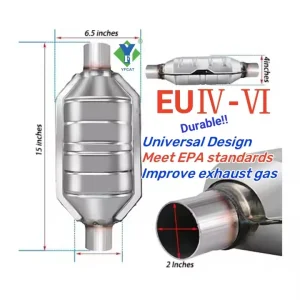
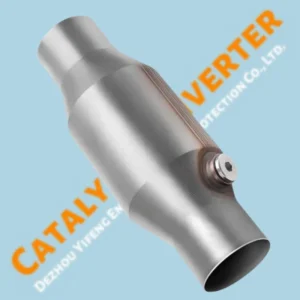
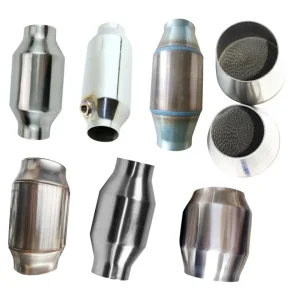
OBD Euro2-Euro6 Ss409 SS304 Universal Catalytic Converters for Diesel Trucks

Still deciding? Get samples of $ !
Order Sample

Product Description

i

Overview

Model NO. OB-TWCC Suitable for Car Brands Universal
Car Model Universal Engine Type Universal
Type Catalytic Converter Body Material Steel
Discharge Standard Euro V Certification ISO9001
Noise Source Engine & Combustion Noise Main Market North America
D

Product Description

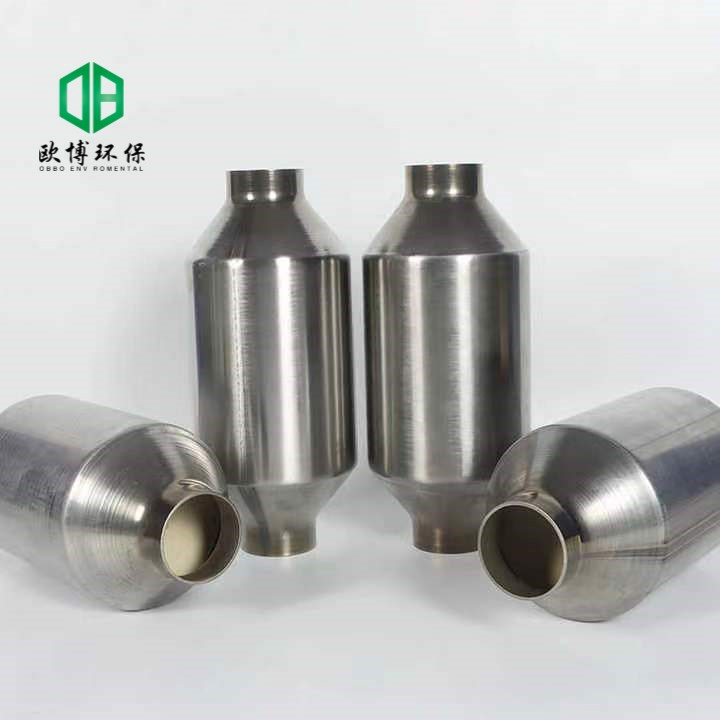
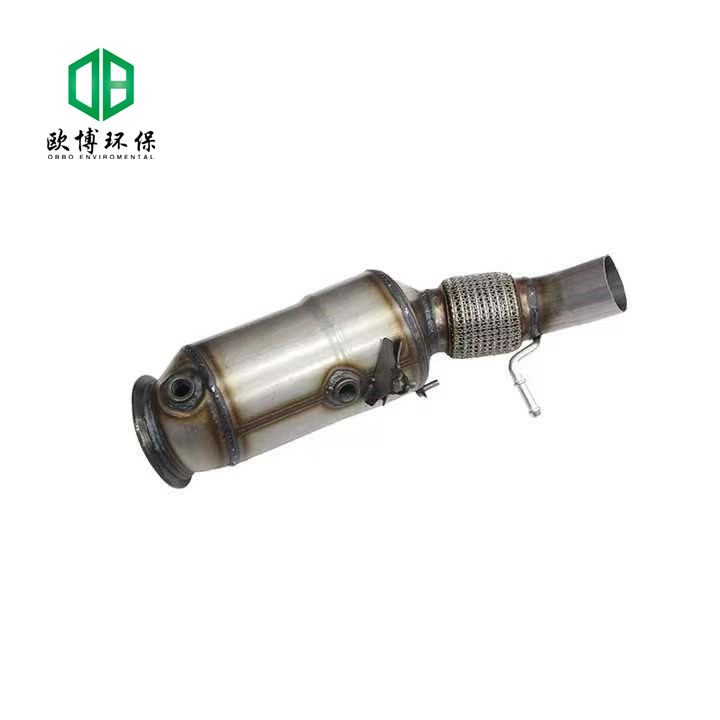
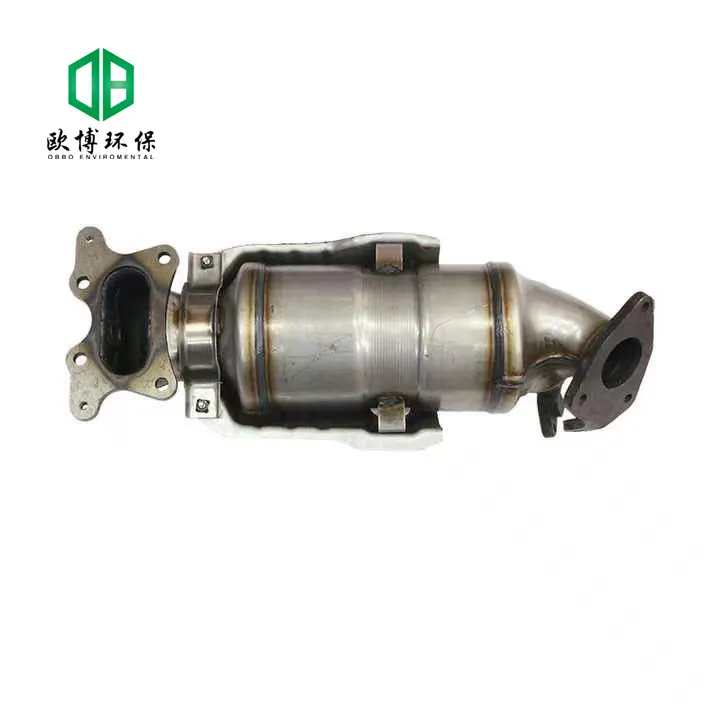
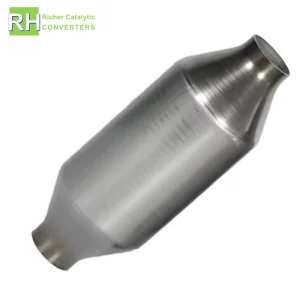
Catalytic Converter View 1
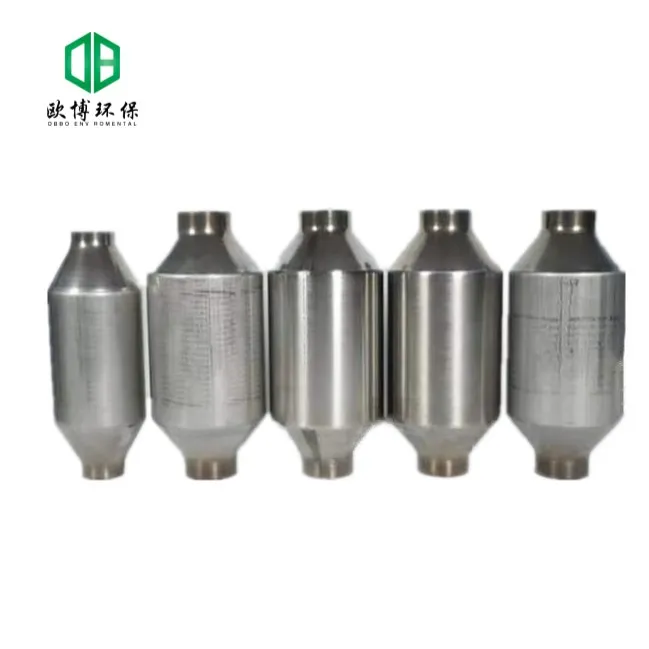
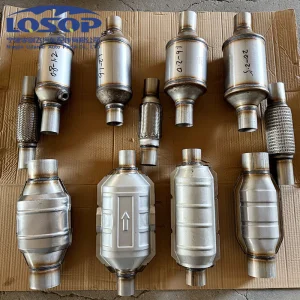
Catalytic Converter View 2

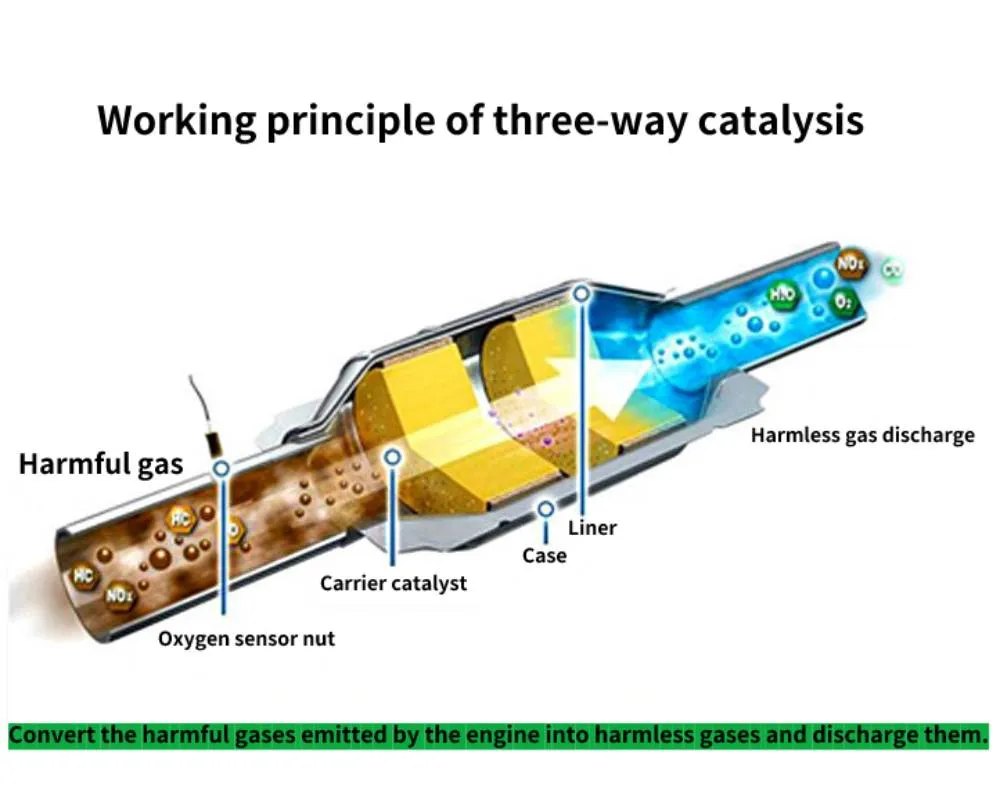
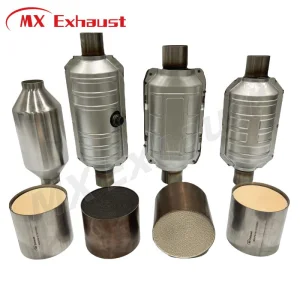
The three-way catalytic converter universal package is an essential external purification device for automotive exhaust systems. It converts harmful gases like CO, HC, and NOX into harmless carbon dioxide, water, and nitrogen through chemical oxidation and reduction.

Classification:

  • Ordinary Silent Type: Internal carrier without precious metal coating, used for basic replacement.
  • Euro III Type: Internal carrier coated with specific precious metals for improved emission control.
  • Euro 4 OBD Type: Designed for vehicles post-2008 with on-board computer exhaust self-check systems to prevent fault lights.
P

Product Parameters

Item NameThree-way catalytic converter
Material409 stainless steel
StandardEURO 2 / EURO 3 / EURO 4 / EURO 5
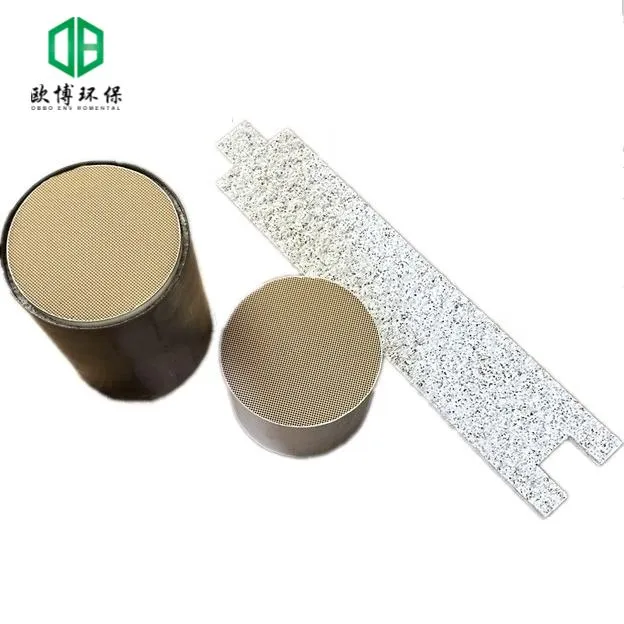
SubstrateCeramic Catalyst
Engine TypeGasoline / Diesel
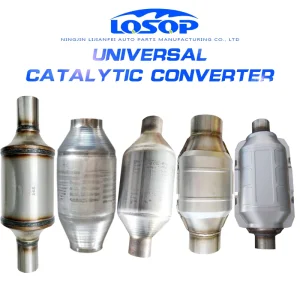
ShapeRound / Oval
Warranty1 Year
A

Our Advantages

Quality Advantages
  • High flow, large carrier 409 thickened stainless steel with double-layer welding.
  • Smooth surface and reasonably designed structure with strict quality control.
  • Strengthened welding to prevent loosening and handle bumps effectively.
  • Standard catalyst technology to improve filter cartridge efficiency.
  • High flow design provides more oxygen, enhancing engine power.
  • Eliminates alarms, reduces fuel consumption, and lowers exhaust noise.
W

Working Principle

Working Principle Diagram

Catalyst Active Ingredients:

Palladium (Pd) - NOX Reduction Platinum (Pt) - CO & HC Oxidation Rhodium (Rh) - CO & HC Oxidation Rare Earth Elements - Co-catalyst
S

Installation Instructions

  1. Remove original catalytic converter assembly.
  2. Mark and cut the original unit at multiple points.
  3. Weld the new replacement catalytic converter.
  4. Reinstall the complete assembly.
Installation Process

Detailed Operation: Ensure the engine systems (ignition, fuel injection, air filter) are working properly. After installation, let the vehicle idle for 15-20 minutes or drive 100km to reach optimal working state.

U

Application

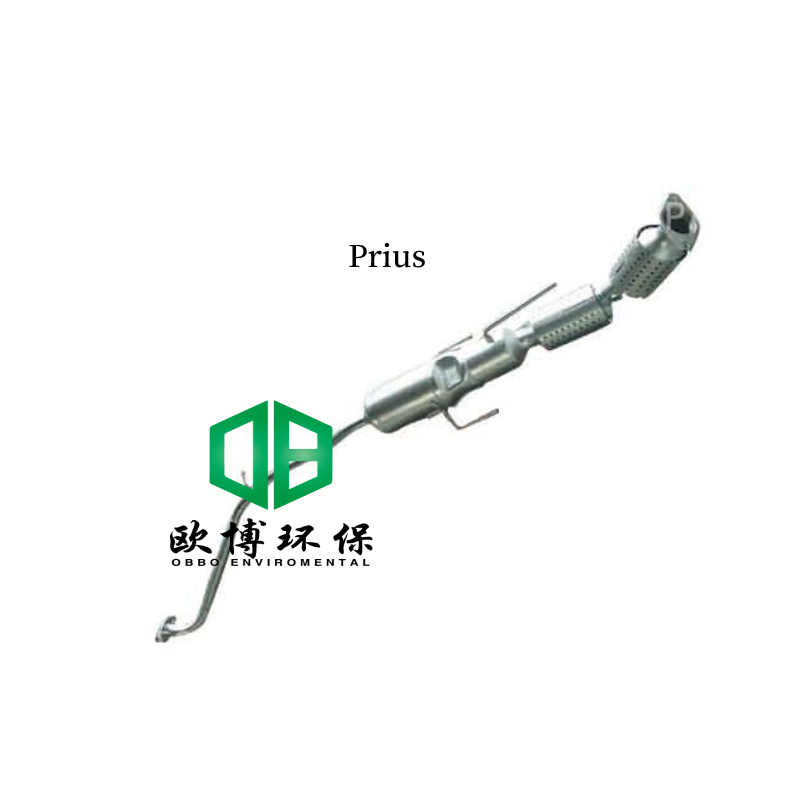
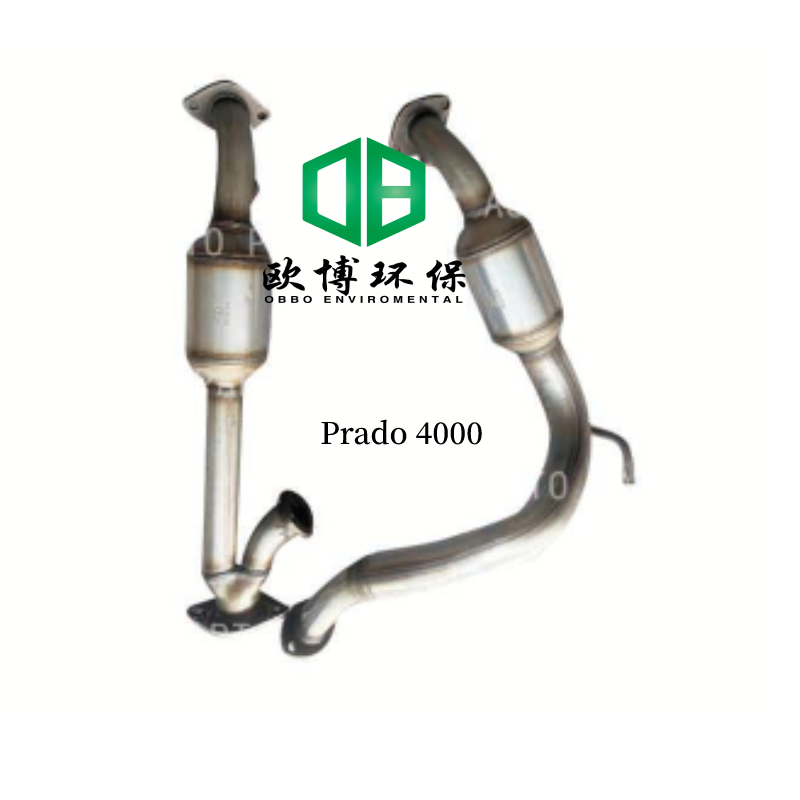
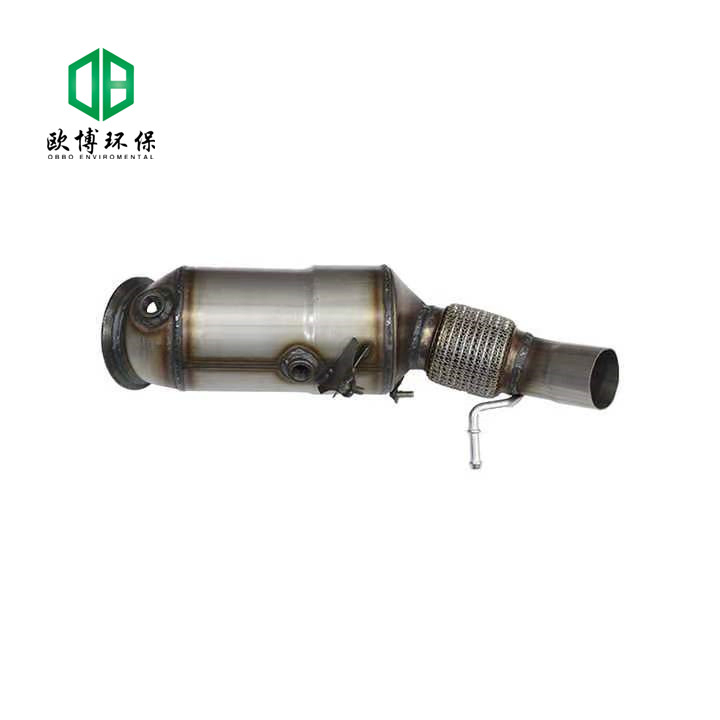
Vehicle Application Chart
C

Technical Profile

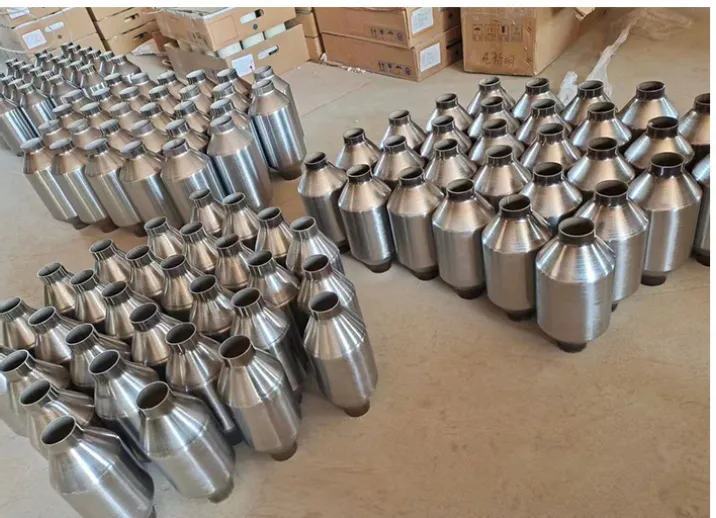
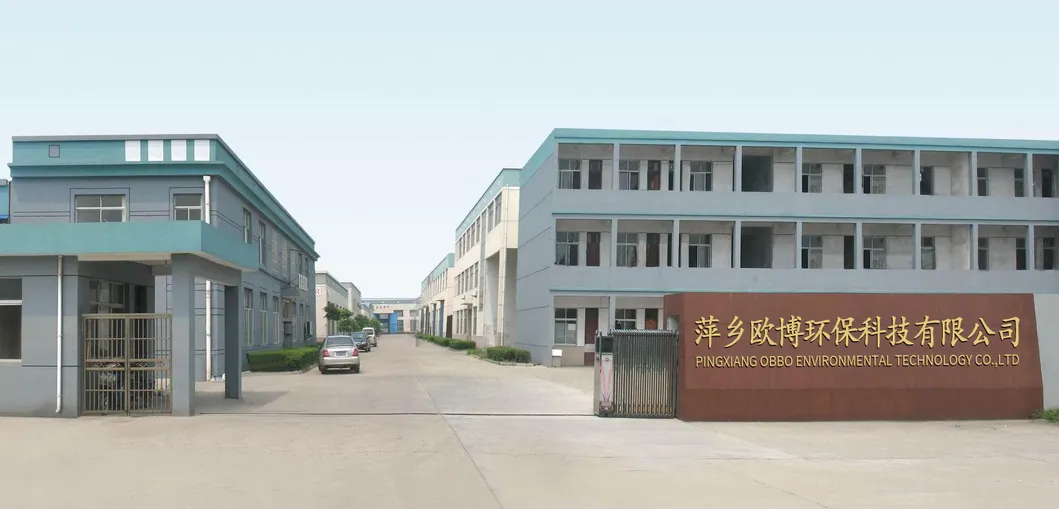
Production Facility

As an industrial ceramic manufacturer and advanced ceramic research provider, we specialize in ceramic media for global distribution. Our core products include Ceramic Honeycomb carriers, Catalyst Carriers, ceramic foam filters, and three-way catalytic converters.

Our solutions are widely applied across chemical, metallurgy, petroleum, and environmental protection industries. We have achieved significant breakthroughs in high-temperature materials and high-cell-density honeycomb ceramics.
?

Frequently Asked Questions

1. What is the function of a three-way catalytic converter?
It converts harmful engine emissions (CO, HC, and NOX) into harmless gases (CO2, H2O, and N2) through chemical reactions.
2. Which material is used for the converter body?
The body is typically made of high-quality 409 stainless steel for enhanced durability and corrosion resistance.
3. Why do cars after 2008 need the OBD type converter?
Modern vehicles have an On-Board Diagnostic system that monitors emissions. An OBD-standard converter ensures the system does not trigger a fault light.
4. What are the active components inside the catalyst?
The internal substrate is coated with precious metals such as Palladium (Pd), Platinum (Pt), and Rhodium (Rh).
5. Does this converter fit all car models?
Yes, these are universal designs that can be adapted to most gasoline and diesel automotive exhaust systems through professional welding.
6. How long does it take for the converter to start working effectively?
After installation, the catalyst activity reaches its optimal state after idling the vehicle for 15-20 minutes or driving normally for 100 kilometers.

Related Products