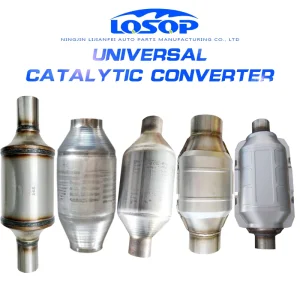
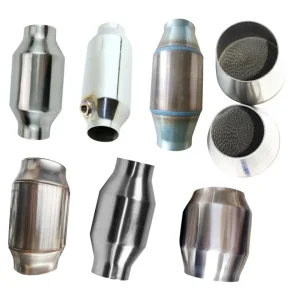
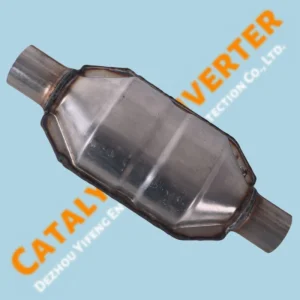
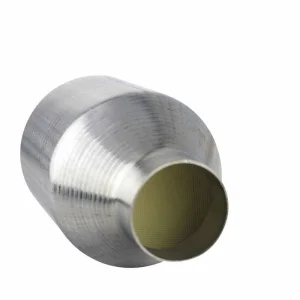
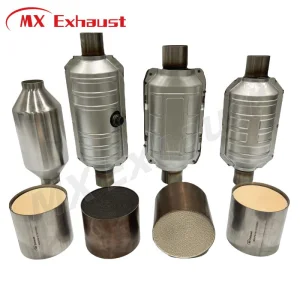
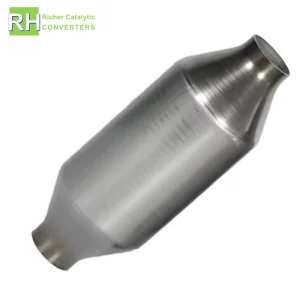
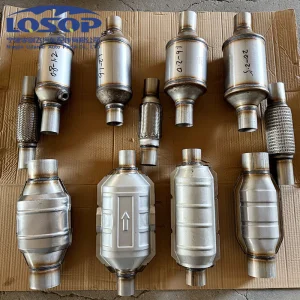
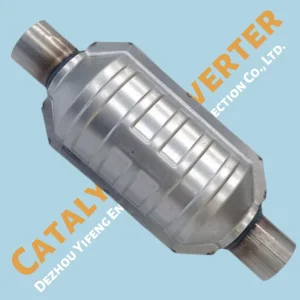
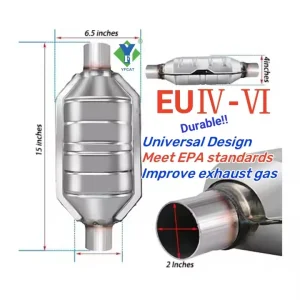
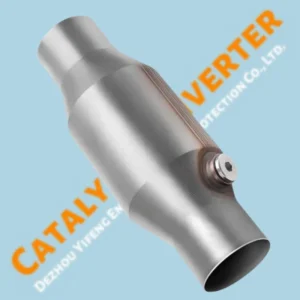
Universal Honeycomb Ceramic Catalytic Converter

Customization: Available
Type: Catalytic Converter
Body Material: Aluminium

Product Description

Basic Specifications
Discharge Standard
Euro IV
Certification
ISO9001
Noise Source
Mechanical Noise and Combustion
The Noise of Engine
Aerodynamic Noise
Automobile Chassis Noise
Transmission Noise
Component
Exhaust Tail Pipe
Main Market
Europe
Transport Package
Hard Carton or Wooden Carton with Pallet
Specification
Cordierite/Alumina/ Carbide
HS Code
6909110000
Production Capacity
800,000 pieces/Month
Product Description

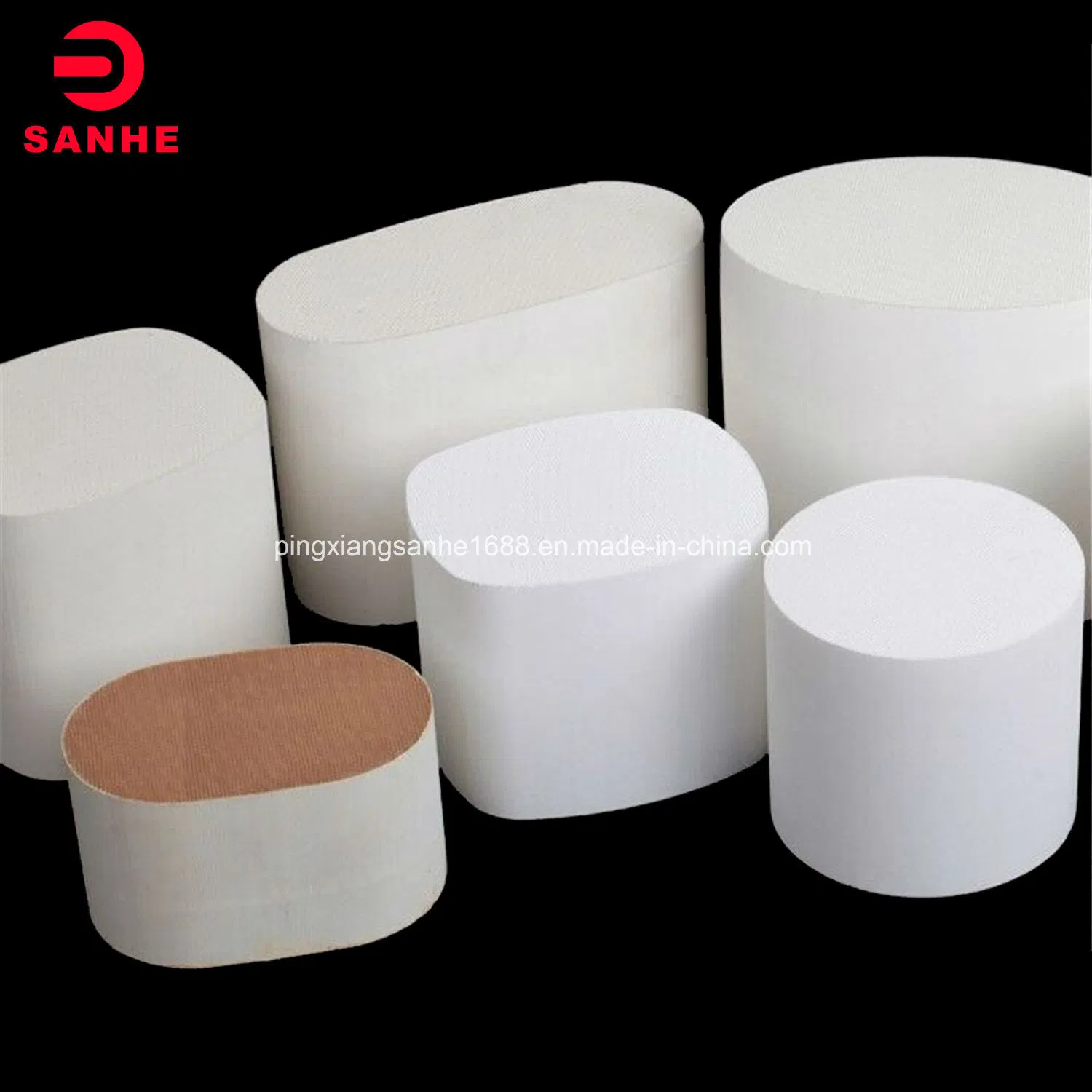
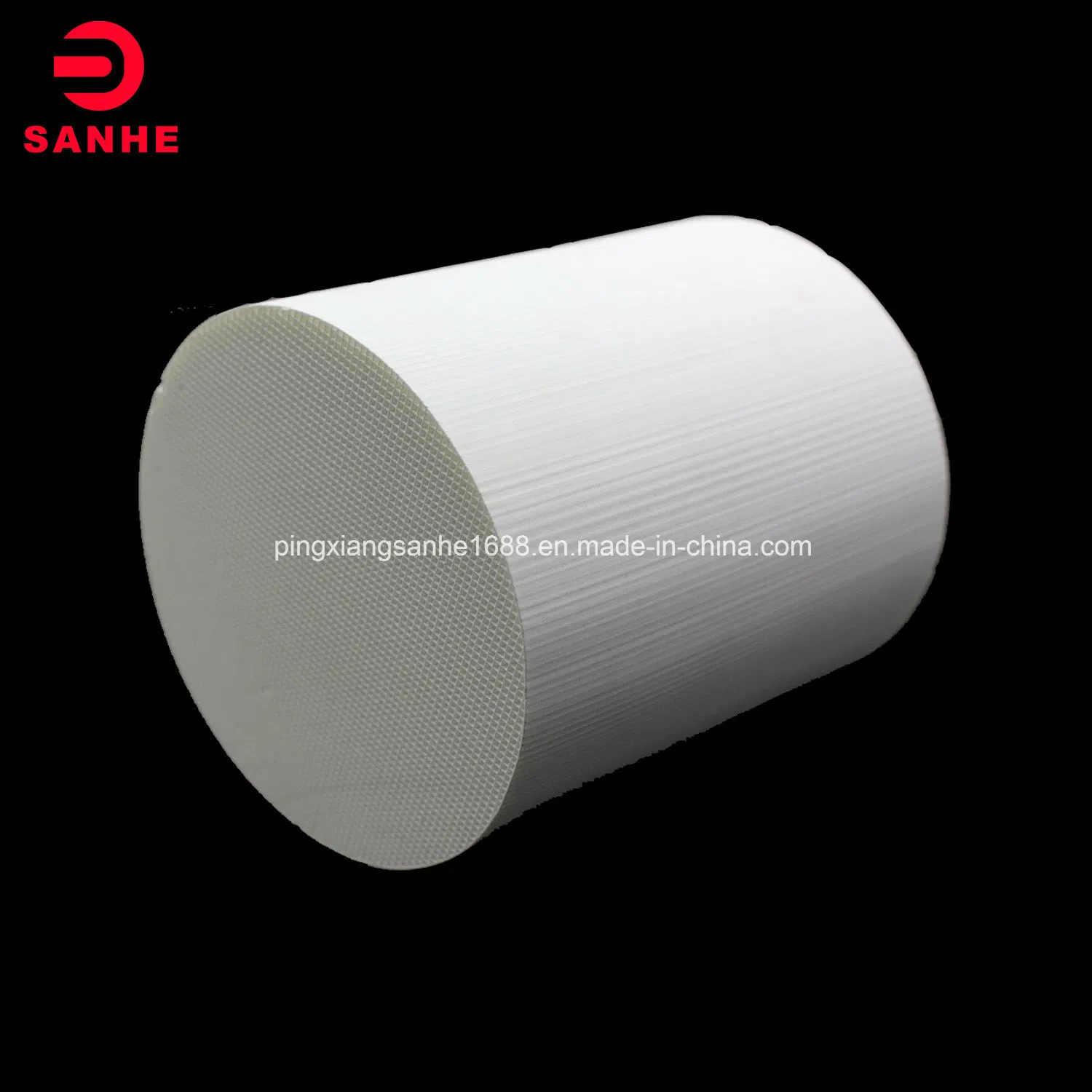
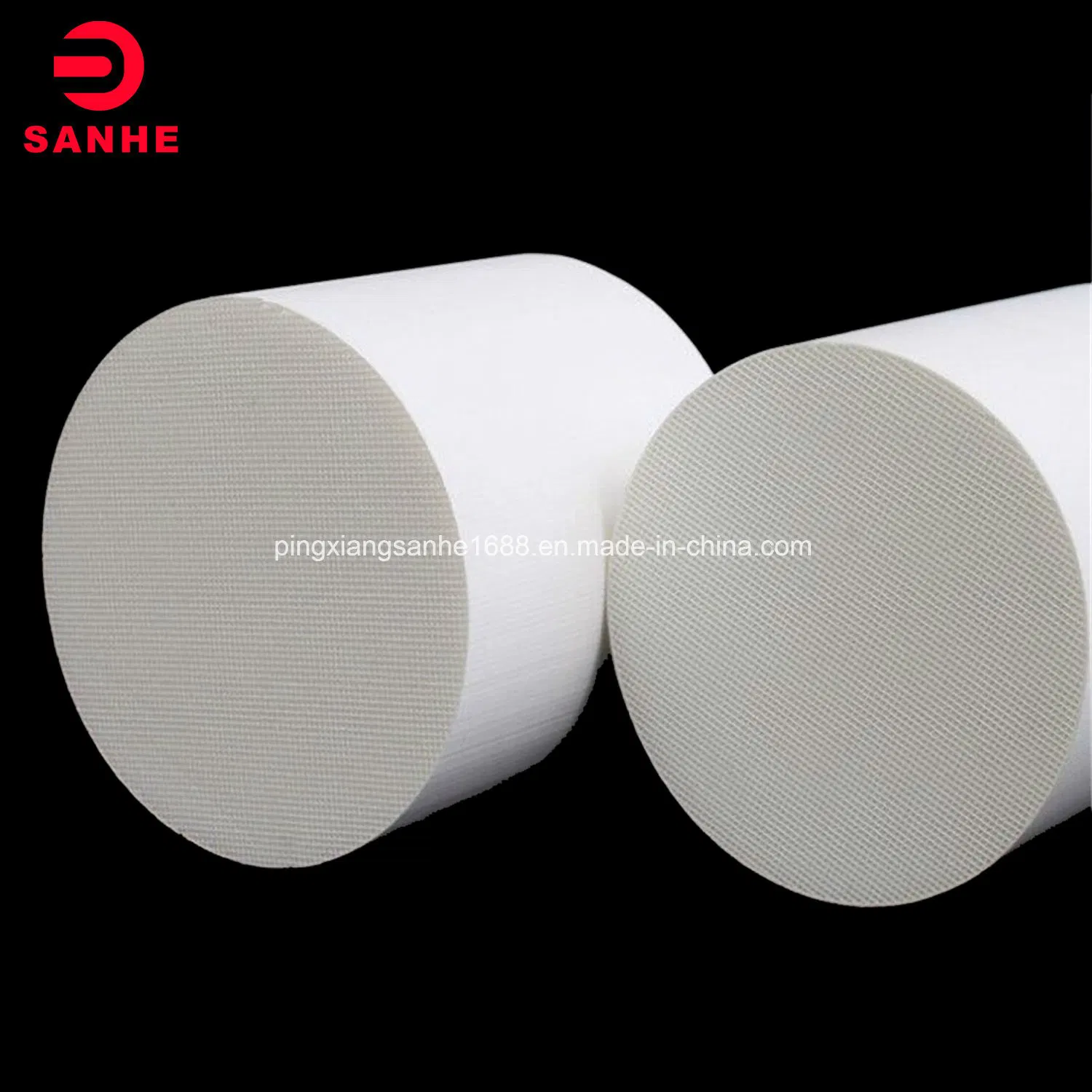
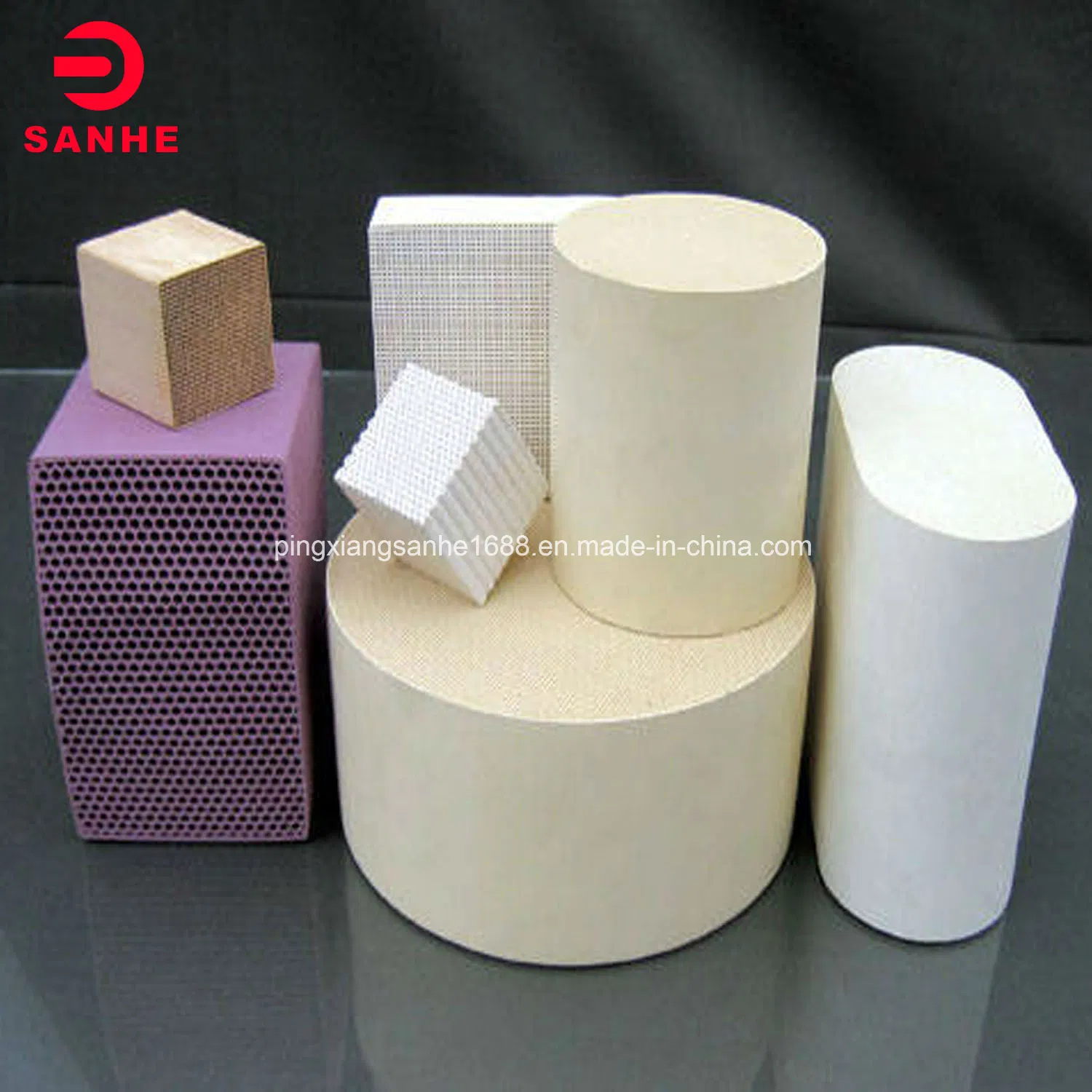
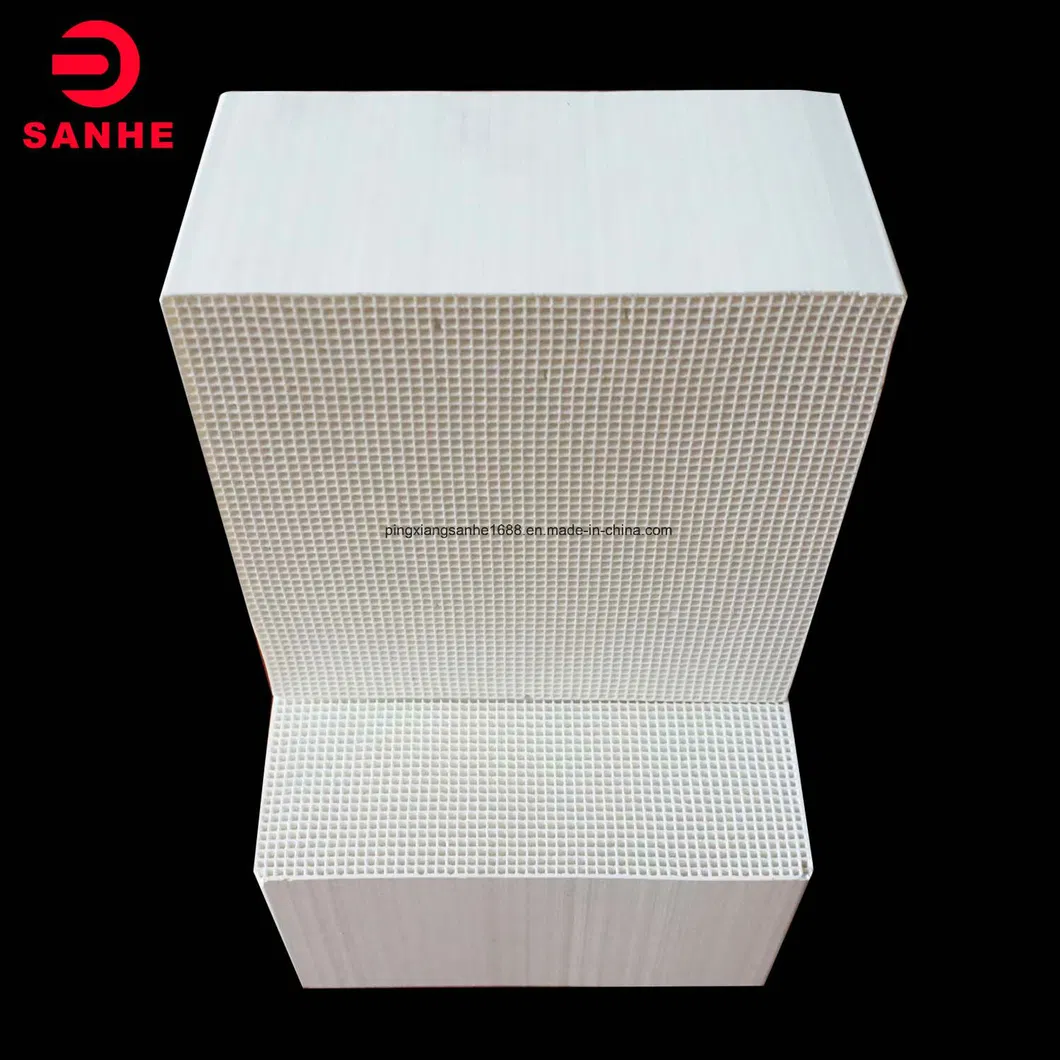
Honeycomb substrate, also called support, is one of the components of the supported catalyst. The catalytically active component is supported on the surface of the carrier, which is mainly used to support the active component so that the catalyst has specific physical properties. The carrier itself generally does not have catalytic activity.

The honeycomb substrate is primarily used in automotive and other high-temperature process exhaust systems. Made mainly of cordierite, it facilitates the catalytic conversion of exhaust gases after being coated with a catalyst to meet national emission standards. It features a large surface area, small expansion coefficient, high strength, and high water absorption.
📐 Large Surface Area Ensures full access of the exhaust gas to the catalyst for maximum efficiency.
💧 Stable Water Absorption Ensures the catalyst is evenly and firmly attached to the substrate surface.
🔥 Fast Warm-up Allows the carrier to reach activation temperature in the shortest possible time.
🏎️ Low Resistance Small exhaust resistance ensures no negative impact on engine performance.
🛡️ High Strength Durable enough to withstand bumpy road conditions without damage.
Technical Data Sheet
Name Index Tolerance Range
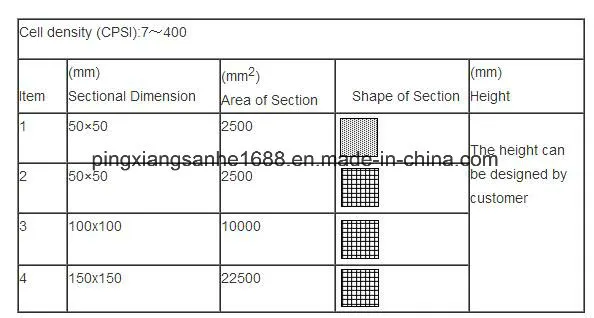
Wall Thickness 0.17mm 0.03mm-0.02mm
Volume Weight ≤460G/L ±60G/L
Outside Dimension (25-100mm) - ±1mm
Outside Dimension (100-15mm) - ≤±1%
Mesh Number 200/300/400 mesh -
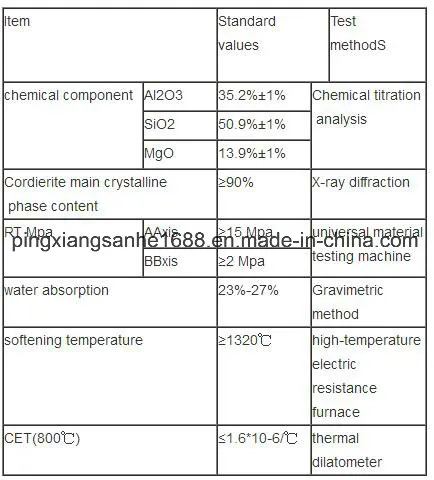
Physical and Chemical Properties
Chemical Composition Unit Index
Al2O3 % 35.1±1.6
MgO % 13.5±1.5
SiO2 % 50.0±1.8
Thermal Expansion (20-800ºC) ºC ≤1.5*10-6
Water-absorbing rate % 24±4%
Open Area % ≥70%
Product Display
Frequently Asked Questions
Q1: What are the main applications of honeycomb substrates? A1: They are primarily used as catalyst carriers in automotive exhaust systems, photo-catalysis, fresh air systems, and ventilation systems to reduce emissions.
Q2: What is the primary material used for these substrates? A2: The main material is Cordierite, known for its high-temperature resistance and low thermal expansion. Alumina and Carbide options are also available.
Q3: Why is a large specific surface area important? A3: It ensures that the exhaust gas has maximum contact with the catalyst coated on the surface, significantly improving conversion efficiency.
Q4: Can the size of the honeycomb substrate be customized? A4: Yes, product sizes and dimensions can be customized according to specific customer requirements and application needs.
Q5: How does the substrate handle mechanical stress in vehicles? A5: It is designed with high structural strength (A-axis compression ≥15.0 Mpa) to withstand the vibrations and bumpy environments typical of automotive use.
Q6: What certifications do these ceramic products meet? A6: The production processes follow strict quality control systems including ISO9001, ISO14001, and OHSAS18001 certifications.

Related Products